

UN SDG 13: How to make climate smart agriculture effective?
If farmers and private investors apply effort to invest time and resources on CSA, then these schemes can meet their goals.
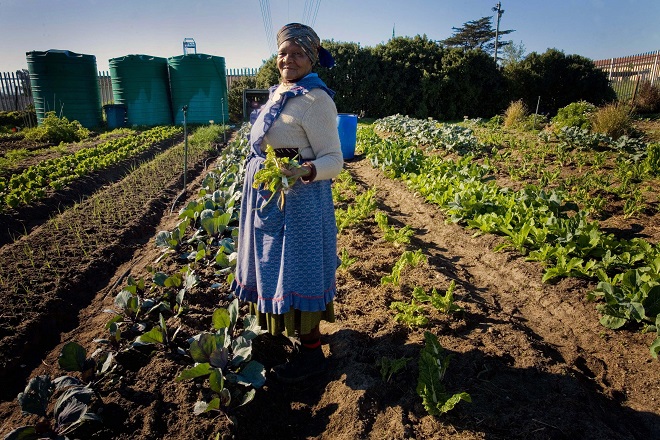
How can we make climate-smart agriculture (CSA) effective, there are several barriers in the current implementation scheme. If farmers and private investors apply effort to invest time and resources on CSA, then these schemes can meet their goals.
CGIAR (Consultative Group for International Agricultural Research) Research Program on Climate change and Agriculture took help from international financial institution to make CSA efficient.
According to CGIAR, CCAFS (Climate Change, Agriculture and Food Security) efforts have always been focused on out scaling and upscaling CSA packages, CCAF should focus on scaling out, says Jayne Curnow, a research manager at the Australian Centre for Agriculture Research (ACIAR).
The researchers added that to make CSA successful three things are needed: addressing gaps in policies, strengthening ties with authorities and stakeholder and making sound business proposition.
Focusing on farmers, CSA can receive funds from international agencies if farmers are willing to make effort, time and resources to adopt new technology. Authorities have to make the investment process convenience and time saving which can be one of the factors to increase investment in CSA.
United Nation's SDGs will shape the development of the world from ending poverty to counter problems related to climate change and agriculture lies at the heart of the agenda. Focussing on agriculture will play a vital role in achieving all SDGs as agriculture is interlinked with livelihood and preservation of natural resources.
There should be an insurance system which will cut the negative impact of natural calamities on the farmer's livelihood. Fostering Partnerships can improve relationship with NGOs and private sectors and will influence the allocation of budget.
One key to scale up and scale out is to get along with government's planning, says DR Le Quoc Doanh, Deputy Minister, Ministry of Agriculture and Rural Development of Vietnam. He further adds, this key will help to ease the process of training farmers and promoting new technologies across the country.
Filling gaps in the policies can be another key as existing policies should be revised to boost international and national level participation.
Experts from the financial institution says that researchers and executers should engage with policymakers in planning an implementation of projects to scale up the process.


 Google News