



Madagascar Boosts Resilient Infrastructure with $211.5M World Bank Funding
The PCMCI project, originally launched to improve accessibility and support inclusive economic development, will now extend its scope to include a dedicated focus on bridge resilience.
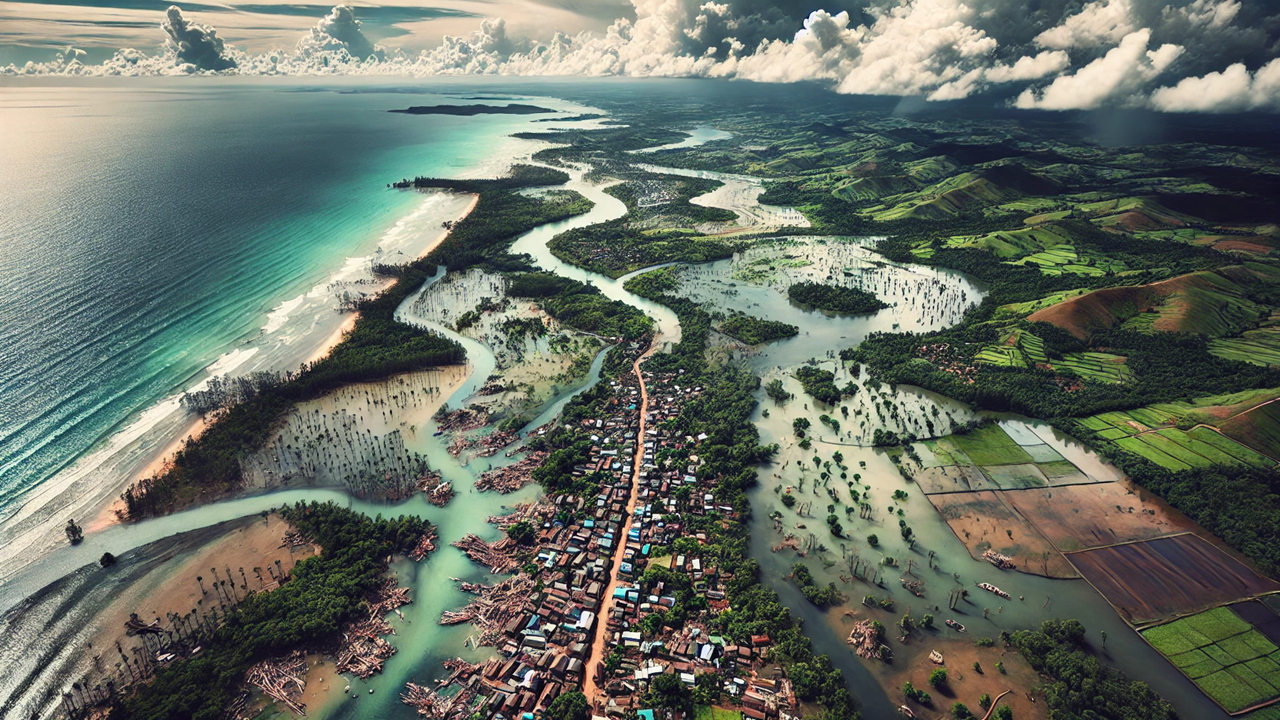
Madagascar is ramping up efforts to build climate-resilient infrastructure to protect vulnerable communities from the devastating impacts of natural disasters, thanks to an additional $211.5 million in funding from the International Development Association (IDA). The financing will significantly expand the reach and impact of the Connecting Madagascar for Inclusive Growth Project (PCMCI), enabling the government to improve transport connectivity, reinforce vital bridge and road networks, and better respond to future climate-related emergencies.
This renewed investment comes at a critical time for Madagascar, a country ranked among the most disaster-prone in the world. Subject to frequent cyclones, floods, and extreme weather, many of its rural and coastal communities are routinely cut off from essential services, markets, and emergency assistance, deepening poverty and food insecurity.
Strengthening Infrastructure in Disaster-Prone Regions
The PCMCI project, originally launched to improve accessibility and support inclusive economic development, will now extend its scope to include a dedicated focus on bridge resilience. The new funding will directly and indirectly benefit over 2 million people, providing safer, more reliable transportation routes and reducing the risk of prolonged isolation following natural disasters.
Among the priority interventions under the additional financing:
-
Rehabilitation and reconstruction of key bridges severely damaged by recent cyclones, including:
-
Mahavavy and Ifasy bridges on National Road RN6
-
Manambery bridge on National Road RN5a
-
-
Deployment of modular bridges in regions identified as highly vulnerable to climatic shocks and isolation
-
Pre-positioning of modular bridges in reserve to enable rapid emergency deployment when disasters strike
These climate-adaptive solutions will ensure that roads and bridges remain passable in crisis situations, maintaining access to healthcare, food, water, and markets, and facilitating emergency response operations.
A Government Committed to Resilience
"Madagascar faces frequent natural disasters that often isolate communities and disrupt essential services," said Richard Rafidison, Madagascar's Minister of Public Works. "With this additional financing, we can respond even faster to future emergencies and invest in durable, climate-resilient solutions like modular bridges. Our government is fully committed to building strong, lasting infrastructure that serves both current and future generations."
The minister emphasized that the partnership with the World Bank has played a pivotal role in enabling rapid recovery and long-term planning, particularly through the Contingency Emergency Response Component (CERC) of the PCMCI project.
The CERC was activated in April 2024 in response to widespread cyclone damage, allowing emergency repair works on National Roads RN4 and RN6, and at the Port of Mahajanga—a critical hub for imports and exports. The newly approved funds will replenish the CERC resources, ensuring the government is financially equipped to act swiftly in future emergencies.
Building Back Better with Innovation and Strategic Planning
One of the standout features of the expanded PCMCI project is the integration of modular bridges—prefabricated, rapidly deployable structures that can be assembled quickly in the aftermath of disasters. These bridges are especially suited for remote areas where conventional construction is difficult or delayed due to terrain and weather conditions.
The additional financing will also provide technical assistance to enhance the government's capacity to plan, prioritize, and implement climate-resilient infrastructure. This includes improved data systems, engineering support, and strategic investment frameworks that consider both climate risks and socio-economic vulnerabilities.
World Bank Commends Madagascar's Resilience Agenda
"We've seen how natural disasters like cyclones and floods can completely cut off communities in Madagascar, disrupting the movement of people and goods, and driving up food prices," said Atou Seck, World Bank Country Manager for Madagascar.
"By reinforcing key bridges and building a reserve of modular bridges, this additional financing will help the Government respond quickly, restore vital connectivity, and protect vulnerable communities from the growing impacts of climate-related shocks."
The World Bank has been a long-standing development partner to Madagascar, supporting critical investments in transportation, education, health, agriculture, and climate resilience. The expanded PCMCI project reflects a broader commitment to inclusive growth and sustainable infrastructure that empowers communities while safeguarding them from future disruptions.
Looking Ahead
As Madagascar prepares for an increasingly volatile climate future, the expanded PCMCI project stands as a model for proactive, climate-smart infrastructure planning in disaster-prone countries. By combining emergency preparedness with long-term development, the project not only helps to restore access and rebuild faster after disasters but also to build better, ensuring that infrastructure investments serve as foundations for resilient, inclusive growth.


 Google News