

German Property Crisis: Scholz Seeks Solutions Amid Looming Recession and Political Challenges
German Chancellor Olaf Scholz intensifies efforts to resolve the country's property crisis amidst an impending recession and upcoming elections. The government will convene industry leaders in December to address the housing shortage, exacerbated by market downturns and regulatory challenges. Industry representatives demand tangible actions and regulatory reforms.
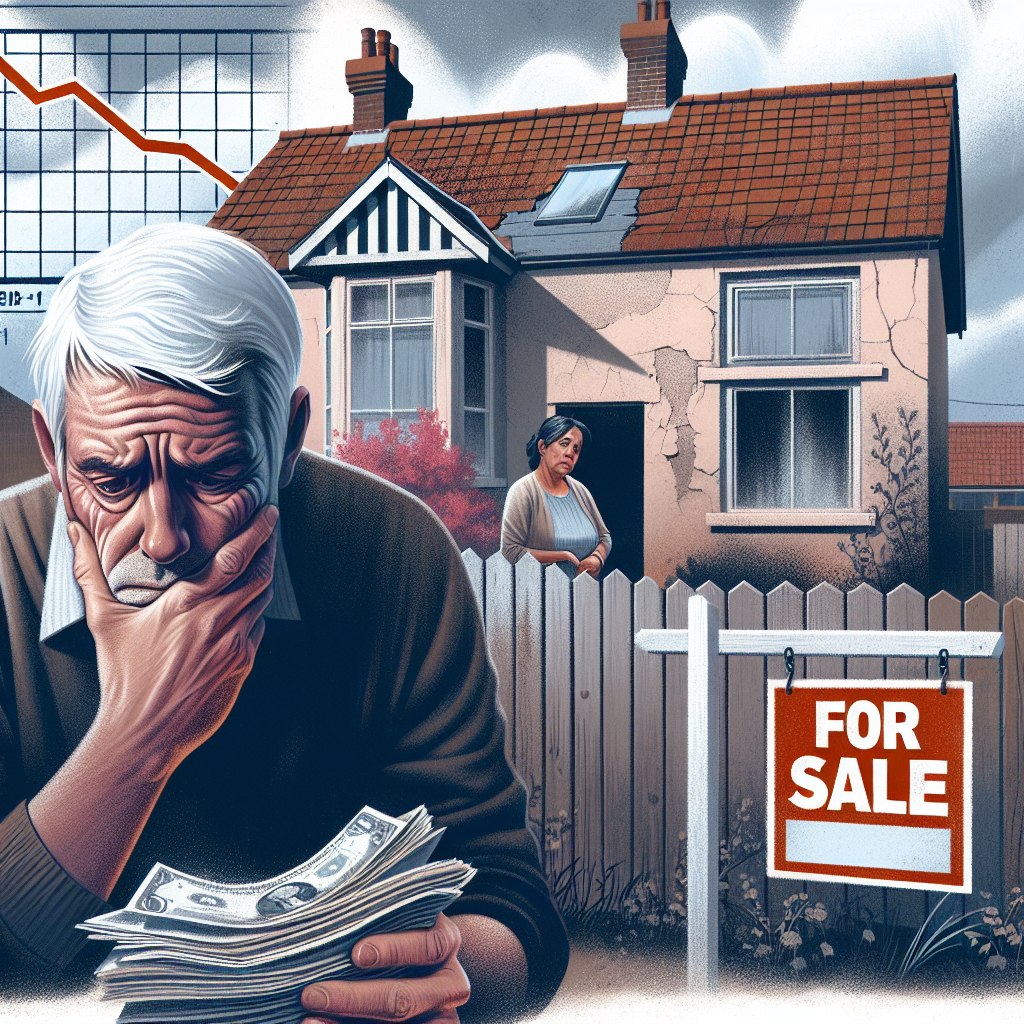
German Chancellor Olaf Scholz is intensifying efforts to resolve the nation's escalating property crisis as Germany faces an impending recession and critical elections that could benefit the far right.
The government has scheduled a December 6 meeting in Hamburg, gathering politicians, ministries, and industry representatives to tackle the severe housing shortage in Europe's most populous country. This crisis has been aggravated by failing major developers and a downturn in investment and financing.
The last such meeting in September yielded several government proposals but lacked concrete actions. 'It shows something is happening,' said Iris Schoeberl, president of the German Property Federation. 'It also sends a strong signal to the people that the chancellor is tackling the issue,' added Tim-Oliver Mueller, head of the German Construction Industry Federation.
Industry leaders are urging the government to take definitive steps, such as reducing the property sales tax and easing building regulations. The housing ministry claims it is working to expedite the building approvals process.
Germany's property boom, fueled by low interest rates and a robust economy, ended in 2022 when inflation forced the European Central Bank to raise borrowing costs. The market decline has led to a slowdown in deals, stalled projects, and top developers going bankrupt. Recent data show a continued decline in building permits and new projects.
While a June rate cut by the ECB brought hope, industry executives remain cautious. Rolf Buch, CEO of Vonovia, predicts more property firms will go bust. Germany has fallen short of its goal to build 400,000 apartments annually due to rising demand from migrants seeking refuge and employment.
The far-right Alternative for Germany (AfD), advocating for housing support policies, stands a chance in upcoming state elections amid waning support for Scholz's coalition. 'The housing shortage can lead to populists increasingly taking up the issue with supposedly simple answers,' warned Schoeberl.
After significant expenditure on energy and defense, Germany has limited resources left to address the property crisis, with fragmented responsibilities between federal and state governments complicating the response. 'Germany needs subsidies and fewer energy-related regulations,' argued Felix Pakleppa of the ZDB industry association.
Since the September gathering, bad news has persisted, such as the collapse of Rene Benko's Signa real estate empire and increasing stress on banks. Demire announced insolvency for four subsidiaries after a failed loan renegotiation. 'What real estate needs is trust and the ability to plan,' said Schoeberl.


 Google News