

Trump's Tariff Barrage: The Future of Semiconductor Trade
President Trump announced a 100% tariff on semiconductor chips imported into the U.S., excluding those manufactured domestically or from firms investing in U.S. production. Formal details are yet to be clarified. This move primarily aims to boost local manufacturing while affecting countries lacking trade agreements or commitments to U.S. production.
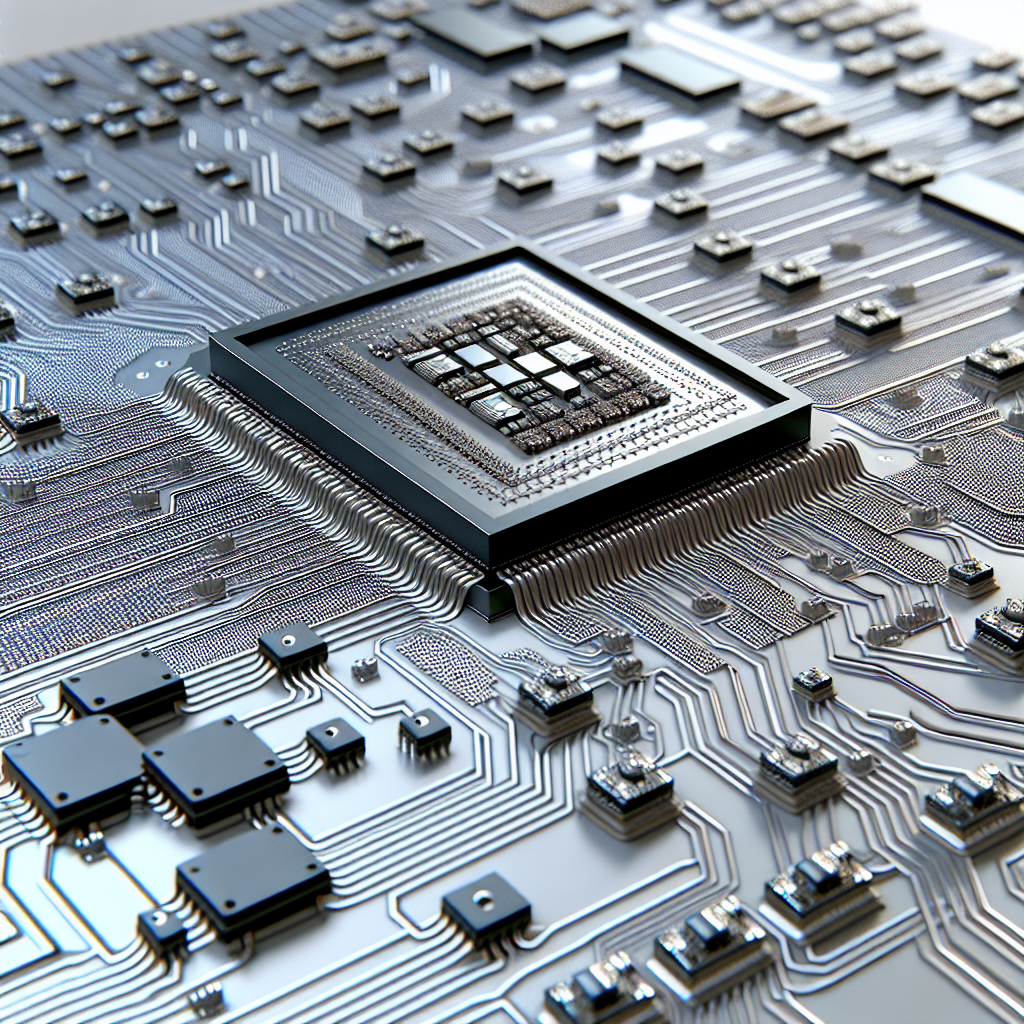
In a bold move, President Donald Trump declared plans for a 100% tariff on semiconductor chips entering the United States unless the production occurs domestically. During an Oval Office briefing, Trump suggested the levy targets imports that don't support U.S. manufacturing, yet provided limited specifics on the policy's rollout.
Firms like Taiwan's TSMC, producing locally for U.S. companies like Nvidia, are likely to evade these tariffs, while Chinese manufacturers could face increased costs. Chip giant Nvidia plans substantial investments in American manufacturing, underscoring the incentive for cash-rich companies to shore up domestic production.
As part of a strategic push, the U.S. government, under President Biden, successfully urged the top semiconductor firms to establish plants domestically amid a drastic decline in U.S. production share. Potentially exempt nations include South Korea, Japan, and the EU, which brokered favorable trade terms. The broader economic and trade implications remain a point of speculation.
ALSO READ
-
EU Firms Rethink Supply Chains as Geopolitical Risks Reshape Global Trade
-
Lee Jae Myung's Diplomatic Milestones: Balancing Amidst Global Tensions
-
Diplomatic Moves: Takaichi's UN Meeting with Trump
-
Trade War Chessboard: Agriculture, Energy, and Rare Earths in Focus
-
High-Stakes Diplomatic Dance: Trump and Xi's Crucial Summit


 Google News