

AfDF Approves $21m Grant to Boost Djibouti’s Urban Infrastructure, Climate Resilience
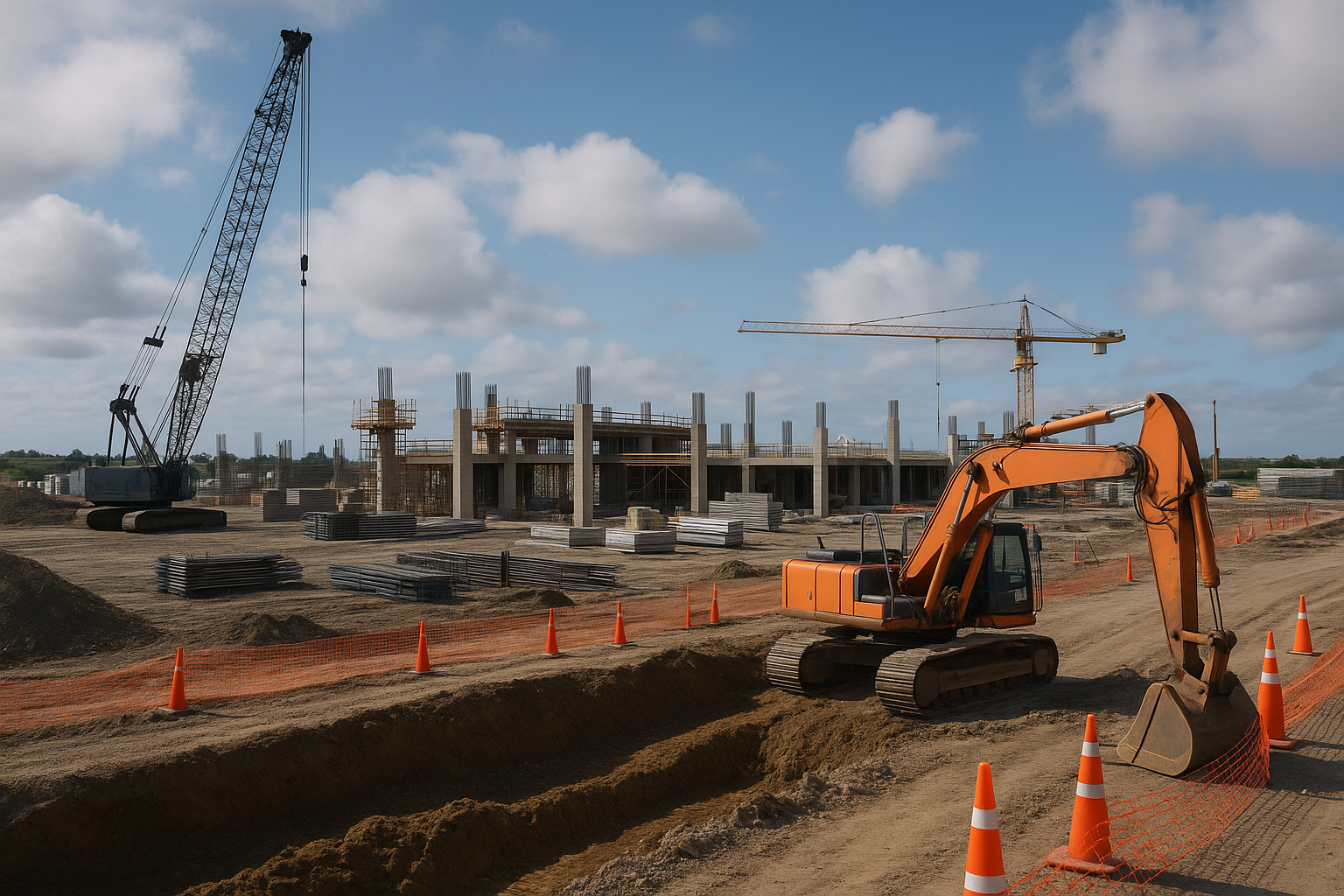
The initial phase focuses on the rehabilitation of seven kilometres of priority urban roads and drainage systems in Djibouti City, integrating climate-resilient and nature-based solutions to improve mobility, reduce flooding, and enhance living conditions.
- Country:
- Djibouti
The Board of the African Development Fund (AfDF) has approved a $21 million grant to upgrade critical urban infrastructure and strengthen climate resilience in Djibouti, marking a significant investment in the country's efforts to address rapid urbanisation and escalating climate risks.
Funded through the African Development Fund—the concessional lending arm of the African Development Bank Group—the financing will support the first phase of the Djibouti Integrated Urban Infrastructure and Climate Change Adaptation Project, approved on 10 December. The initial phase focuses on the rehabilitation of seven kilometres of priority urban roads and drainage systems in Djibouti City, integrating climate-resilient and nature-based solutions to improve mobility, reduce flooding, and enhance living conditions.
The project comes at a critical time for Djibouti, where nearly 73% of the national population resides in the capital city. Rapid urban growth, driven by rural-to-urban migration and regional instability in the Horn of Africa, has led to the expansion of informal settlements, overstretched infrastructure, and limited access to basic urban services. These pressures are compounded by climate change, which has intensified extreme weather events and exposed long-standing vulnerabilities in the city's urban systems.
Djibouti City's geographic characteristics further heighten its exposure to flooding. Large sections of the city are built on coral plains and reclaimed land, making drainage inefficiencies particularly dangerous. This vulnerability was starkly demonstrated by Cyclone Sagar in 2018, followed by severe floods in 2019 and 2020, which caused widespread damage to roads, homes, and public infrastructure while disrupting economic activity and livelihoods.
By incorporating nature-based solutions, such as improved stormwater management, permeable surfaces, and climate-smart drainage designs, the project aims to reduce flood risks while delivering co-benefits for urban livability and environmental sustainability. These interventions are expected to strengthen the city's ability to withstand climate shocks while supporting safer transport, reduced travel times, and improved access to services for residents.
Commenting on the project, Late Lawson Zankli, the African Development Bank Group's Djibouti Program Advisor, described the initiative as a major milestone in the country's climate adaptation journey. He emphasized that investing in modern, climate-resilient urban systems is essential to improving daily life for citizens while positioning Djibouti as a safer and more sustainable port city. He added that the project supports Djibouti's strategic role as a regional economic gateway for the Horn of Africa.
Beyond its local impact, Djibouti City plays a critical regional economic role, serving as the primary maritime outlet for landlocked Ethiopia. An estimated 90% of Ethiopia's maritime trade transits through Djibouti's ports, making the reliability of the city's transport and drainage infrastructure vital for regional trade, logistics, and employment. Climate-proofing these systems is therefore essential not only for urban resilience but also for maintaining the efficiency and competitiveness of the Djibouti–Ethiopia trade corridor.
The project is closely aligned with Djibouti's National Development Plan and Vision 2035, which prioritize sustainable urban development, infrastructure modernization, and climate resilience. It also supports the African Development Bank Group's Regional Integration Strategy Paper for East Africa, particularly its focus on resilient infrastructure, inclusive growth, and regional competitiveness.
In addition, the initiative advances the Bank Group's strategic objectives under its 10-Year Strategy (2024–2033) by promoting climate-smart infrastructure, inclusive public spaces, and institutional capacity building. Together, these measures are expected to lay the foundation for more sustainable urban growth, improved quality of life, and stronger economic integration across the Horn of Africa.
ALSO READ
-
African Development Bank Steps Up Push to Deliver Roads, Airport and Services in CAR
-
Benin Unlocks €500 Million Development Push as Global Banks Back Jobs, Energy and Growth
-
Benin Secures €500 Million Financing to Expand Public Services and Create More Jobs
-
Sudan’s BOOST Project Targets 232,000 Farmers to Rebuild Food Security
-
Yemen Violence Displaces 130,000 as Shelters Fill and Aid Funding Runs Short


 Google News