

African Leaders Push for Financial Coordination to Unlock Capital for Development
The discussion focused on the implementation of the New African Financial Architecture for Development (NAFAD), a framework endorsed under the Abidjan Consensus in April 2026.
- Country:
- Ivory Coast
African financial leaders, development experts, and private sector executives have called for stronger coordination across the continent's financial ecosystem and more effective mechanisms to mobilise Africa's own capital to drive economic transformation.
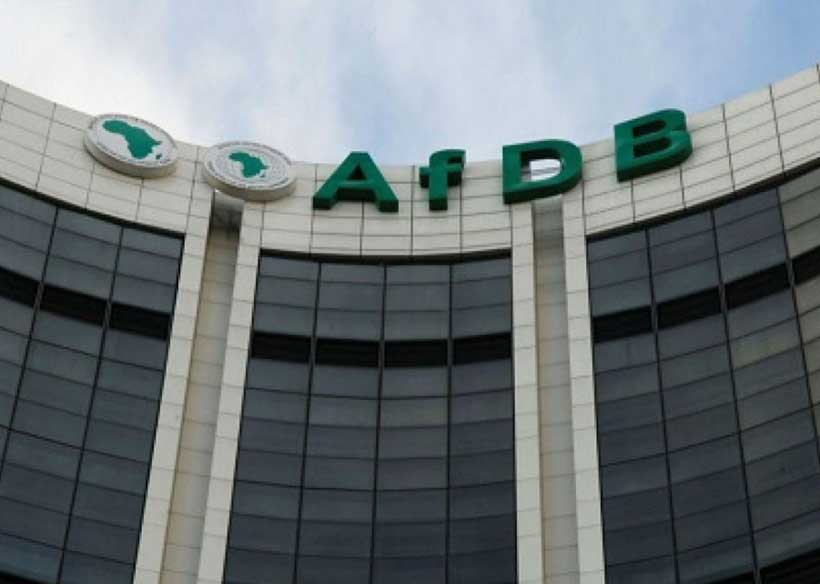
The appeal was made during a high-level discussion held on the sidelines of the African Development Bank Group's 2026 Annual Meetings, where participants explored how Africa can strengthen its financial independence and play a greater role in financing its development priorities.
The event, titled "Leveraging Capital, Strengthening Agency: African Ownership and the Future of Development Finance," was organised by the African Development Bank Group's Resource Mobilisation and Partnerships Department in partnership with the African Center for Economic Transformation (ACET).
The discussion focused on the implementation of the New African Financial Architecture for Development (NAFAD), a framework endorsed under the Abidjan Consensus in April 2026. The initiative seeks to reshape how development finance is mobilised and deployed across Africa by strengthening local institutions, increasing domestic investment, improving risk-sharing mechanisms, and ensuring African resources play a larger role in financing the continent's future. Participants agreed that while Africa possesses substantial financial resources, much of that capital remains fragmented, underutilised, or invested outside the continent.
New Financial Architecture Seeks to Transform Development Financing
The New African Financial Architecture for Development represents one of the most ambitious efforts in recent years to increase African ownership of development finance.
The framework was created in response to longstanding concerns that Africa remains overly dependent on external financing despite possessing significant domestic savings, pension assets, sovereign wealth funds, insurance capital, and private sector resources.
NAFAD aims to improve coordination among African financial institutions while creating mechanisms that channel domestic capital into productive sectors such as infrastructure, housing, energy, manufacturing, and technology.
The initiative also seeks to strengthen financial resilience by promoting better risk-sharing arrangements and expanding access to long-term financing.
Supporters argue that greater reliance on African capital could improve financial stability while giving the continent more control over its economic development agenda.
Africa Has Capital but Needs Better Coordination
Moderating the discussion, ACET President and Chief Executive Officer Mavis Owusu-Gyamfi highlighted a central challenge facing African economies.
While substantial financial resources exist across the continent, they are often disconnected from investment opportunities capable of driving economic growth.
"There is a need for African agency. There is a need for African ownership. But most importantly, there is a need for better use of African resources," she said.
Her remarks reflected growing concerns among policymakers that Africa's development challenges are not solely the result of insufficient resources but also of weaknesses in financial coordination and investment mechanisms.
Experts have long noted that significant amounts of African capital are invested in low-risk international assets while critical sectors at home struggle to secure financing.
Participants argued that improving coordination across the financial system could help bridge this gap.
Building Stronger African Financial Institutions
A major theme of the discussion was the need to strengthen African-owned financial institutions and expand their ability to mobilise capital at scale.
Among the speakers was Thierno-Habib Hann, Managing Director of Shelter Afrique Development Bank, who emphasised the importance of strengthening African capital bases and developing deeper financial markets.
"We really need to leverage our capital, strengthen the capital first, and then leverage it multiple times, develop our capital markets, and invest in the space," Hann said.
He argued that African development finance institutions should move beyond financing individual projects and instead focus on creating platforms capable of attracting large-scale investment across multiple sectors.
According to Hann, stronger institutions would help address major financing gaps in areas such as housing, urban development, and infrastructure.
He also highlighted the role of the Alliance of African Multilateral Financial Institutions, which seeks to improve coordination among African development finance organisations.
Addressing Africa's Massive Infrastructure Needs
Infrastructure financing remains one of the continent's most pressing challenges.
Africa faces substantial investment requirements across transportation, energy, housing, water systems, and digital infrastructure.
Development experts estimate that annual infrastructure financing needs run into tens of billions of dollars, significantly exceeding current investment levels.
Panellists argued that meeting these needs will require stronger balance sheets, expanded capital markets, and innovative financing structures capable of attracting both public and private investment.
The discussion emphasised that traditional project-by-project financing approaches may be insufficient to meet the scale of Africa's development ambitions.
Instead, participants advocated for larger investment platforms that can aggregate capital and deploy it more efficiently.
Institutional Investors Seen as Untapped Source of Capital
Mini Kouame, Managing Partner of Transat Management Company, focused on the role of African institutional investors.
These include pension funds, insurance companies, sovereign wealth funds, and other large asset holders that collectively manage substantial financial resources.
Kouame argued that these investors often face difficulties identifying and accessing suitable investment opportunities within Africa.
As a result, significant amounts of capital are frequently invested outside the continent.
He suggested that NAFAD could help address this challenge by creating stronger links between investors and development projects.
Rather than financing projects individually, he advocated for investment platforms capable of mobilising larger pools of capital for sectors such as real estate, energy, and infrastructure.
Such platforms could improve efficiency while reducing investment risks.
Digital Finance Expanding Financial Inclusion
The role of digital finance in strengthening Africa's financial ecosystem was another major topic of discussion. Christian Kajeneri, Chief Executive Officer of MTN MoMo Congo, highlighted how digital financial services are helping expand access to formal financial systems. According to Kajeneri, MTN MoMo currently reaches approximately 62 percent of the adult population in the Republic of Congo through its financial inclusion services. Mobile money platforms have transformed financial access across many African countries by enabling users to save, transfer, and manage money through mobile devices. These services have proven particularly important for populations with limited access to traditional banking infrastructure.
However, Kajeneri noted that significant challenges remain.
Interoperability Remains a Major Barrier
One of the key obstacles identified by Kajeneri was the limited interoperability between financial platforms across Africa.
Many digital payment systems continue to operate independently, making it difficult for users to transfer funds seamlessly between different providers and countries.
This fragmentation limits the movement of capital and reduces the overall efficiency of financial markets.
Kajeneri argued that Africa already possesses much of the technology and expertise needed to improve connectivity.
What is needed, he said, is stronger coordination and greater commitment from governments, regulators, and financial institutions.
Improved interoperability could help accelerate financial inclusion, increase economic activity, and strengthen regional integration.
Growing African Contributions to Development Finance
The discussion also highlighted a significant shift in Africa's role within development finance institutions. Historically, concessional development funds have relied heavily on contributions from donor countries outside the continent. However, African governments are increasingly becoming contributors themselves. This trend was particularly evident during the seventeenth replenishment of the African Development Fund (ADF-17) in December 2025.
During the replenishment process, 24 African countries pledged approximately $180 million, with 20 countries contributing for the first time. The development was widely viewed as a milestone in strengthening African ownership of development financing.
Record Replenishment Demonstrates Growing Commitment
ADF-17 ultimately mobilised a record $11 billion, making it the largest replenishment in the history of the African Development Fund. The financing included contributions from 44 partners and will support development programmes in 37 low-income African countries. The replenishment demonstrated growing confidence in the Fund's role as a key source of concessional financing for development projects across the continent.
Speaking during the replenishment process, African Development Bank President Dr Sidi Ould Tah emphasised the significance of increased African participation. "Africa is no longer only a beneficiary of concessional finance. Africa is a co-investor in its own future," he said. His remarks reflected a broader shift toward greater financial self-reliance and ownership.
Turning Vision Into Action
While participants welcomed the progress being made, they stressed that successful implementation of NAFAD will require sustained effort. Closing the session, Owusu-Gyamfi emphasised that real change would depend on cooperation among governments, financial institutions, private sector actors, civil society organisations, and citizens. She argued that strong leadership, accountability, and coordination would be essential for translating ambitious plans into measurable outcomes.
The discussion underscored growing recognition that Africa possesses many of the resources required to finance its development, but must improve systems for mobilising and deploying those resources effectively. As countries seek to accelerate industrialisation, create jobs, strengthen infrastructure, and promote economic transformation, the success of initiatives such as NAFAD could play a defining role in shaping the continent's future.
ALSO READ
-
Benin Unlocks €500 Million Development Push as Global Banks Back Jobs, Energy and Growth
-
Benin Secures €500 Million Financing to Expand Public Services and Create More Jobs
-
Côte d’Ivoire Secures $24 Million to Restore Forests and Support Rural Communities
-
AfDB Places KEEPS Construction Under 12-Month Compliance Order After Fraudulent Practice
-
Central Africa Faces $35.6 Billion Funding Gap as Growth Forecasts Signal Steady Gains


 Google News