

Japan Halts Restart of Tsuruga Reactor Due to Seismic Risks
Japan's nuclear watchdog has decided against restarting the Tsuruga nuclear reactor, citing proximity to a seismic faultline. This decision follows stricter safety regulations imposed after the 2011 Fukushima disaster, impacting the government's plans to restart nuclear plants. The panel will conduct additional investigations before considering decommissioning.
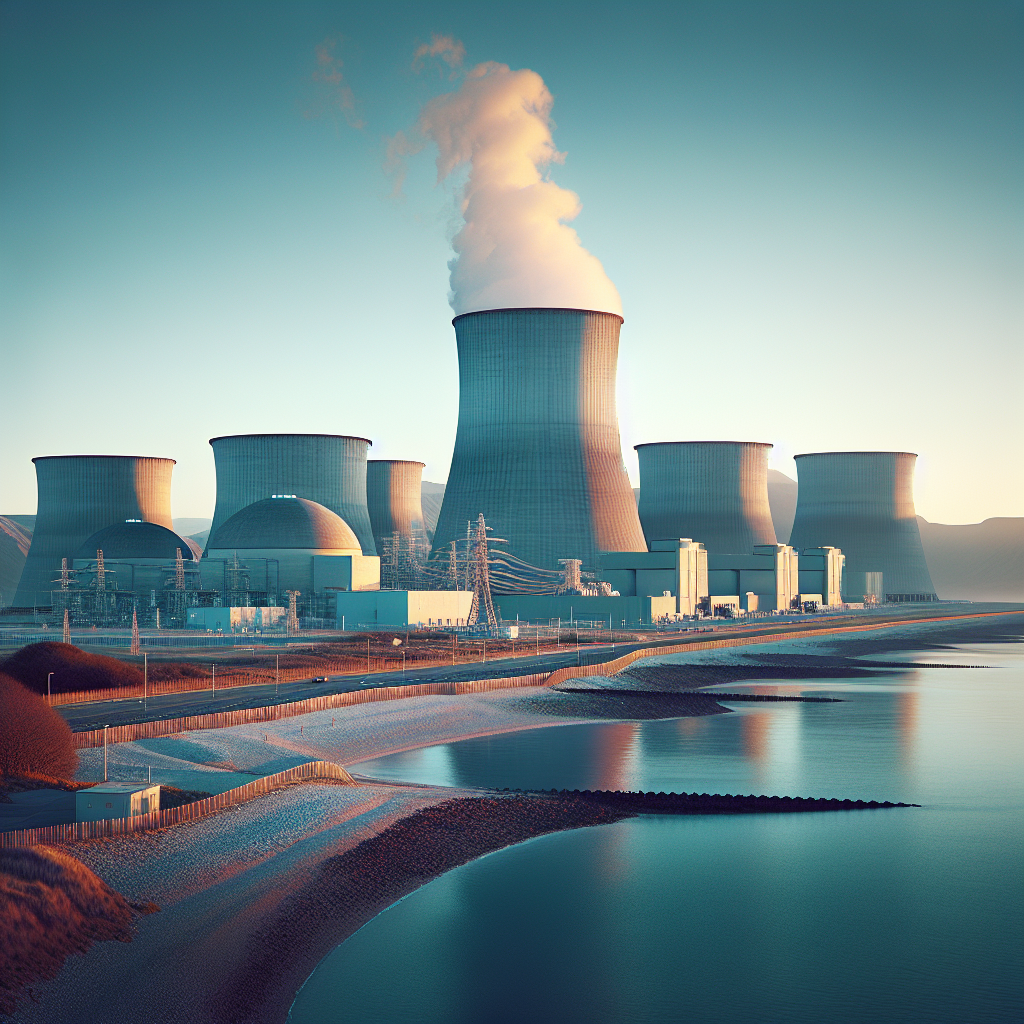
Japan's nuclear watchdog panel has ruled against restarting the Tsuruga nuclear reactor, citing seismic risks due to its proximity to a faultline. The panel stated that the reactor fails to comply with the criteria for installation licensing, necessitating further investigation.
Mamoru Muramatsu, president of Japan Atomic Power, emphasized that decommissioning the plant is currently not under consideration. Japan's nuclear regulatory framework prohibits nuclear plants from operating over active faultlines, a measure strengthened post the 2011 Fukushima disaster.
If the Nuclear Regulation Authority (NRA) approves the panel's decision, it would mark the first such non-compliance case under the new safety standards. This could obstruct the government's efforts to restart reactors for a stable energy supply. Only 12 out of the 33 reactors considered for restart have been reactivated since the 2011 disaster.


 Google News