

Geopolitical Tensions Impact Maritime Fuel Supply Chains
Amid rising tensions in the Middle East, Maersk is redistributing fuel to ensure supply for stranded vessels, confronting disruptions from ongoing conflicts. Drone attacks in Oman and UAE have intensified threats to maritime operations, affecting global oil flow through critical chokepoints like the Strait of Hormuz.
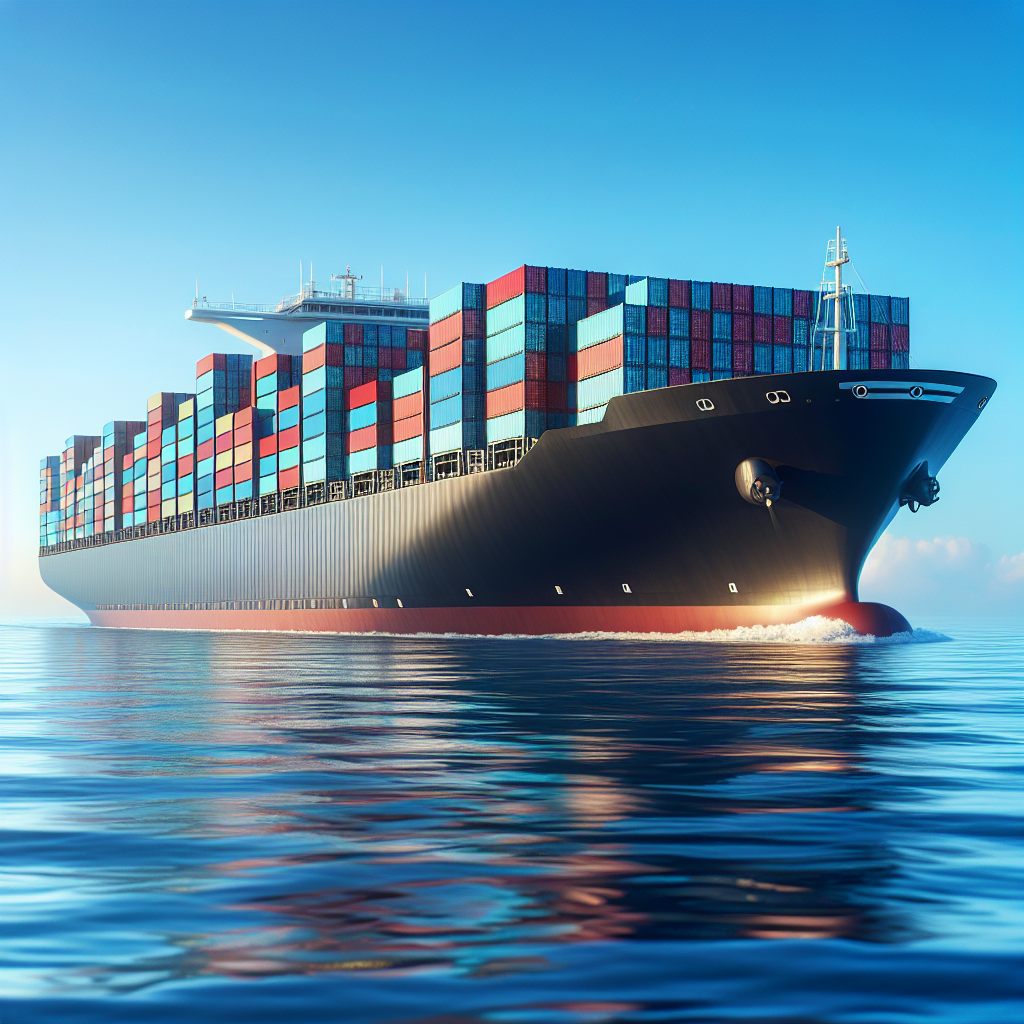
In response to escalating conflict in the Middle East, Maersk, a prominent container shipping group, announced strategic fuel redistribution to maintain vessel operations. The Iranian conflict has hampered maritime fuel supply and led to 10 Maersk vessels being stranded in the Gulf, impacting maritime logistics.
On Wednesday, drone attacks targeted oil storage at Salalah port, Oman, yet officials report no significant supply disruption. However, Maersk has paused operations at Salalah due to ongoing incidents. Attacks at Fujairah, a key ship-fueling hub in the UAE, further escalated tensions, impacting global oil trade through the Strait of Hormuz.
One of the latest incidents involves the Japan-flagged container ship ONE Majesty, which endured minor damage from a projectile strike. All crew members were unharmed. Global shipping lines like Hapag-Lloyd and MSC are closely monitoring the situation, as geopolitical instability continues to threaten maritime routes.


 Google News