

The Hormuz Effect: How the Iran War is Reshaping Global Energy Strategies
The Iran war has disrupted the Gulf's energy stability, escalating the Middle East risk premium in oil and gas markets. This conflict has significant implications for global energy prices and trade routes while posing challenges to the Gulf's energy infrastructure and regional relations for the foreseeable future.
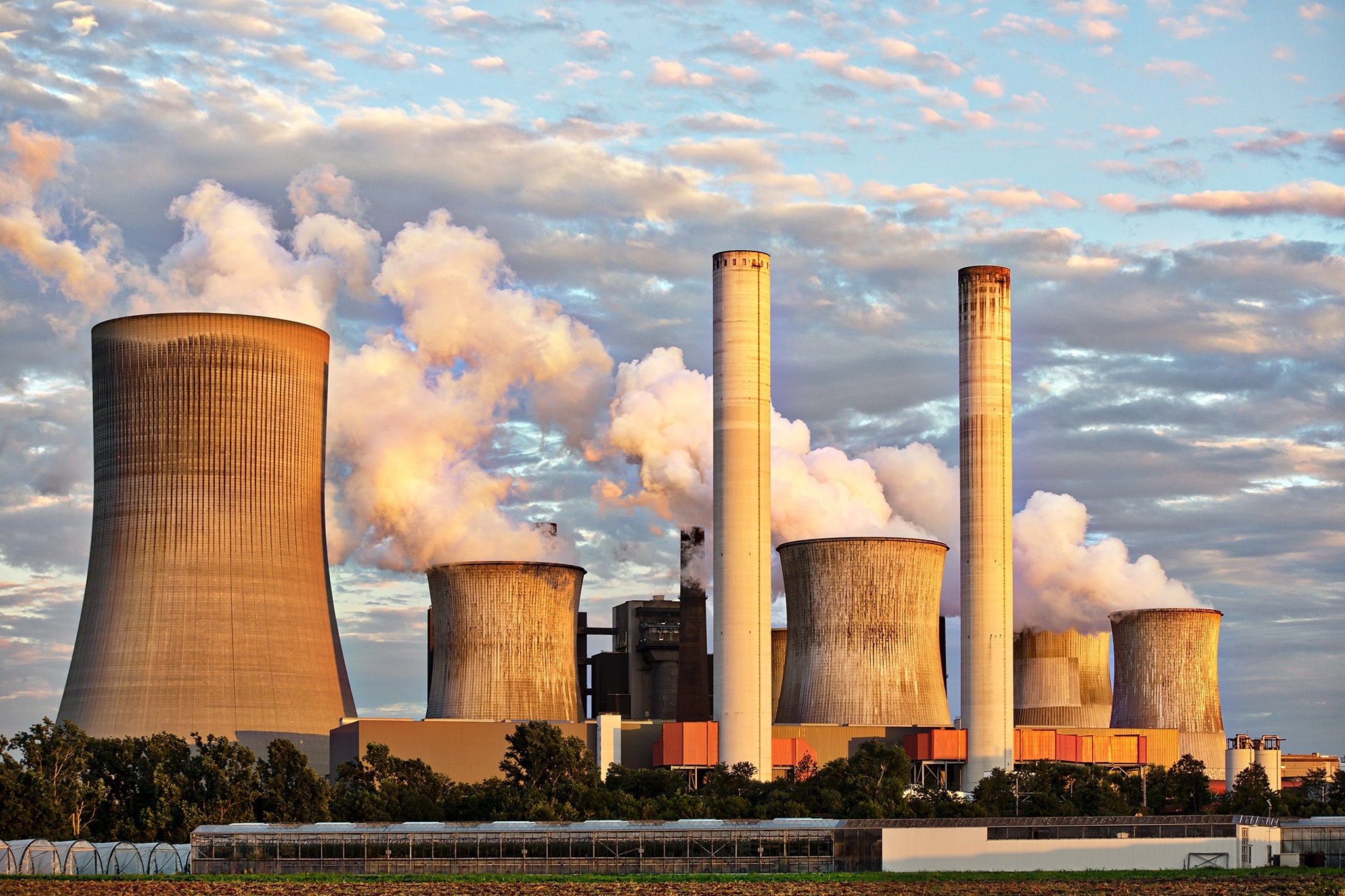
The ongoing Iran war has precariously unsettled the Gulf's energy producers, threatening regional stability and intensifying the Middle East risk premium for oil and gas. The strife has placed essential energy infrastructure in jeopardy, drastically affecting oil prices and global economic dynamics.
One pivotal consequence of the conflict has been Iran's historic blockade of the Strait of Hormuz, a crucial maritime channel. This has dangerously curbed a significant portion of the world's oil and liquefied natural gas supply, causing crude oil prices to soar beyond $100 a barrel, fueling global economic tremors.
The repercussions are vast, affecting trade flows and investment decisions while promising a long-lasting impact on the energy industry. Gulf countries are now hastening diversification efforts across multiple routes, a change likely to persistently alter regional and global energy strategies.
ALSO READ
-
Smart Cities Are Giving AI More Control Over Power Grids. Who Keeps Its Decisions Safe?
-
ADB Backs Bangladesh’s Power Upgrade With $200M for Growing Dhaka Communities
-
Ukraine Faces Another Bitter Winter as UN Inquiry Warns of Deepening Civilian Harm
-
IDB Backs $23.75 Million Rural Power Push to Bring Electricity to Belize
-
Lee Jae Myung's Diplomatic Milestones: Balancing Amidst Global Tensions


 Google News