

The Tungsten Crisis: How Munitions Demand is Reshaping the Global Market
The U.S. and Israel's demand for tungsten in military applications, especially amid the ongoing Iran and Ukraine conflicts, has led to a dramatic surge in metal prices. China's export restrictions and reduced production have exacerbated the crisis, challenging the West's efforts to diversify supply chains.
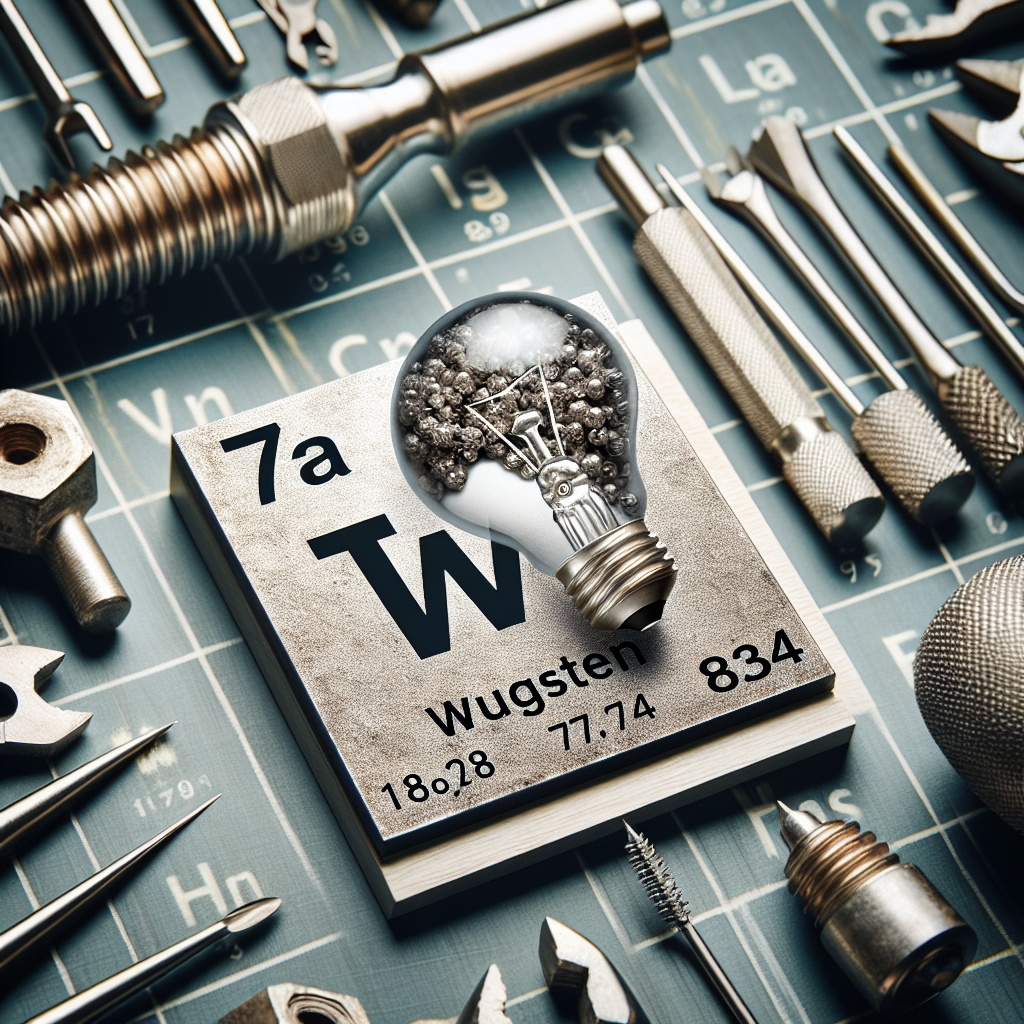
The extensive use of tungsten in the U.S. and Israeli air campaign against Iran has led to soaring demand and prices for this critical metal. Its crucial role in munitions technology is now facing a crisis as efforts to replace depleted stocks are hindered by supply chain issues.
With China's wielding its dominance over global tungsten production and implementing severe export restrictions, the shortage is felt across the defense and civilian industries alike. Prices have skyrocketed, affecting not only military applications but also sectors like electronics and high-end manufacturing.
Efforts by Western nations to develop alternative non-Chinese supply sources, such as those in Kazakhstan, are underway. However, these efforts will take time, while military requirements are growing due to geopolitical conflicts. As defense sectors prioritize their needs, civilian consumers might struggle to secure necessary tungsten supplies.
ALSO READ
-
Ukraine’s Recovery Puts Decent Jobs, Stronger Institutions and Opportunity at Its Heart
-
UN Experts Urge Iran to End Executions Amid Concerns Over Torture and Unfair Trials
-
Ukraine Revives National Dialogue to Put Workers and Businesses at Heart of Recovery
-
Naftogaz Sets Out Cleaner Energy Future With EIB Support and 2050 Net Zero Target
-
KSrelief and UNDP Launch $5M Lifeline for Ukraine’s War-Affected Hospitals


 Google News