

Russia Capitalizes on Middle East Conflict for Economic Gain
The conflict in the Middle East has created new trade opportunities for Russia, according to Prime Minister Mikhail Mishustin. As a leading exporter of oil, wheat, and fertilizers, Russia aims to boost exports while prioritizing domestic price stability. Export bans on gasoline and nitrogen fertilizers are measures taken to protect local markets.
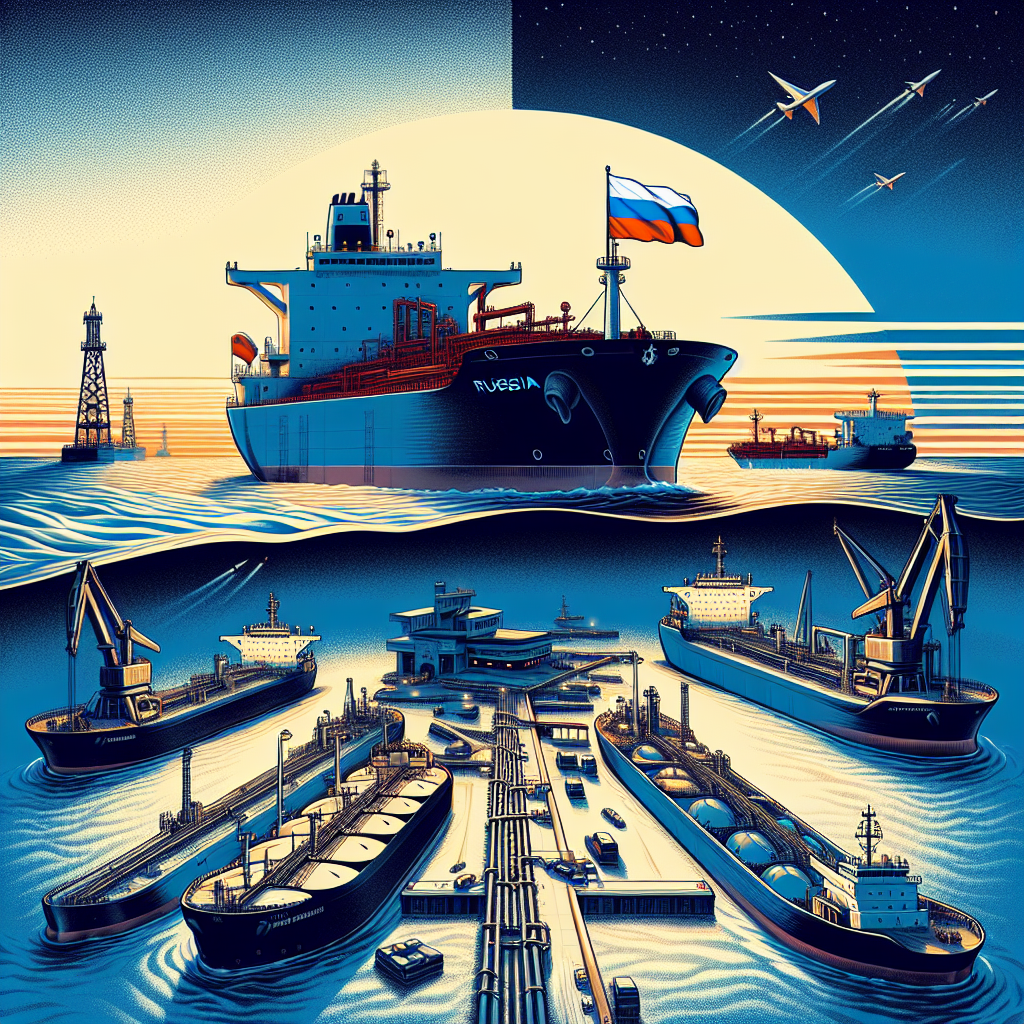
Prime Minister Mikhail Mishustin announced on Tuesday that the ongoing Middle East conflict has opened new avenues for Russian trade, yet emphasized that the government will prioritize price stability in domestic markets. Russia is strategically placed to benefit economically as the world's second-largest oil exporter and leading wheat supplier.
With global resources impacted by the Middle East situation, Russia sees a chance to improve its financial standing through enhanced export revenues. "For our country, the current situation creates new opportunities to improve the financial position of export-oriented industries and provide additional budget revenues," said Mishustin in a government meeting.
Mishustin highlighted that Russia is prepared to increase its supply of scarce resources like oil, gas, urea, sulfur, and helium. However, he stressed the importance of shielding domestic consumers from external price spikes, evidenced by recent bans on gasoline and nitrogen fertilizer exports.


 Google News