

U.S. Treasury Extends Sanctions Waiver Amid Energy Crisis
U.S. Treasury Secretary Scott Bessent announced a 30-day extension of a sanctions waiver, permitting purchases of Russian seaborne oil to assist energy-vulnerable nations affected by the Iran war. The decision, aimed at stabilizing the crude market, has faced criticism for benefiting Russia financially.
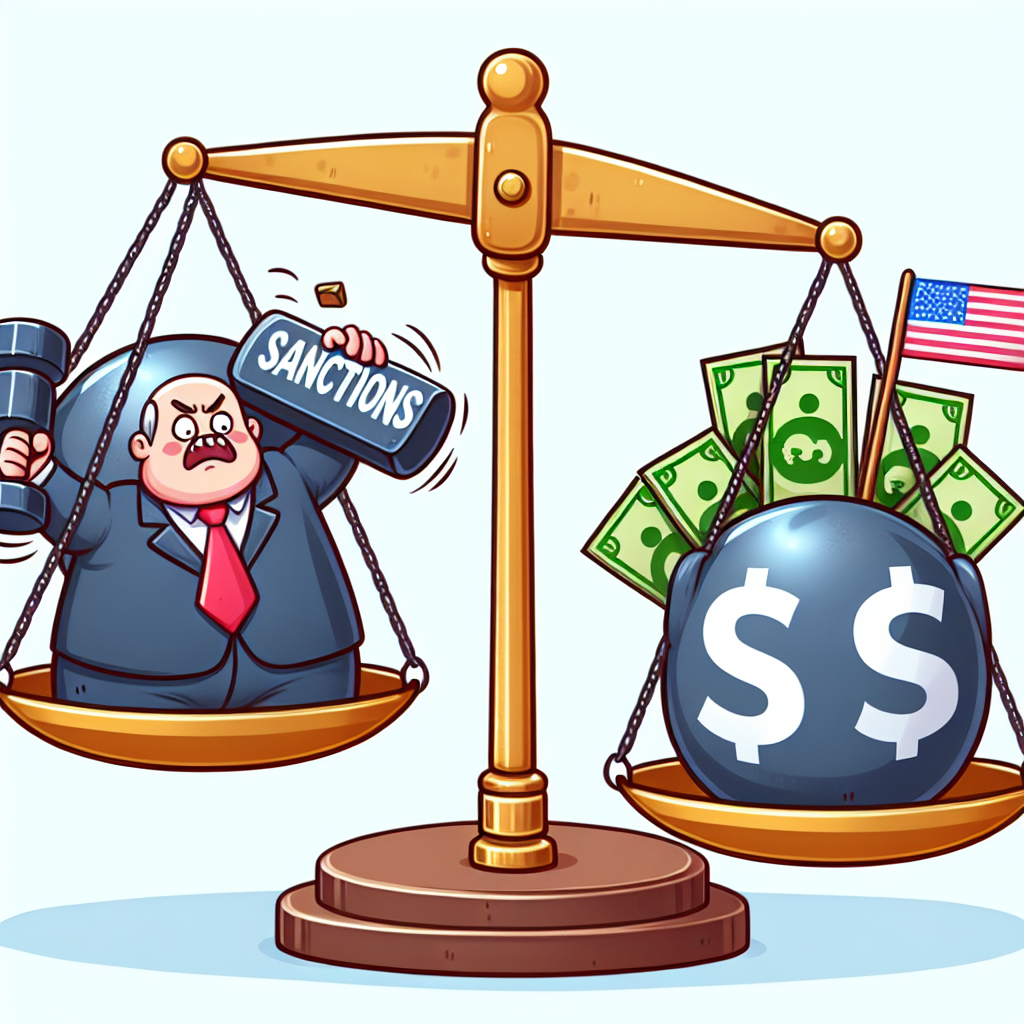
The U.S. Treasury, under Secretary Scott Bessent, has announced a 30-day extension of a sanctions waiver on Russian seaborne oil, aiming to aid energy-vulnerable countries impacted by the ongoing Iran war. This reversal of a previous decision allows temporary access to oil stranded on tankers without breaching severe U.S. sanctions.
The extension, requested by countries unable to secure Gulf oil shipments due to the U.S.-Israeli conflict with Iran, aims to stabilize the global energy market. However, critics, including Senators Jeanne Shaheen and Elizabeth Warren, argue that the move benefits Russia, financially aiding its ongoing aggression against Ukraine.
While the extension might assist specific countries, analysts question its impact on lowering U.S. gasoline prices. The waiver continues to exclude recently loaded Russian crude, limiting its broader economic influence amid growing global oil supply concerns.


 Google News