



How To Get Rid Of Belly Fat In Men?

Visceral fat lies deep within your abdomen and surrounds your internal organs. Unlike subcutaneous fat, which you could see and grab onto, visceral fat is hidden deep beneath the skin. Although it's not as visible, visceral fat could be more dangerous than subcutaneous fat especially if visceral fat accumulates more than 10% of the total fat. Visceral fat produces hormones and other substances that can lead to health problems, such as heart disease, diabetes, and certain types of cancer.
In addition, visceral fat makes it difficult for your body to process insulin, which could lead to many problems, including weight gain, fatigue, and inflammation. The good news is that there are several measures that you could undertake to get rid of visceral fat.
Eating a healthy diet consisting of a variety of fruits, vegetables, whole grains, and lean protein and getting regular exercise are two of the best ways to reduce your risk of health problems associated with belly fat. Getting enough sleep, sticking to a proper diet schedule, portion control, and taking dietary supplements are additional ways to lose belly fat. These may be able to provide your body the additional push when it comes to reducing belly fat for men.
8 Ways For Men To Lose Belly Fat
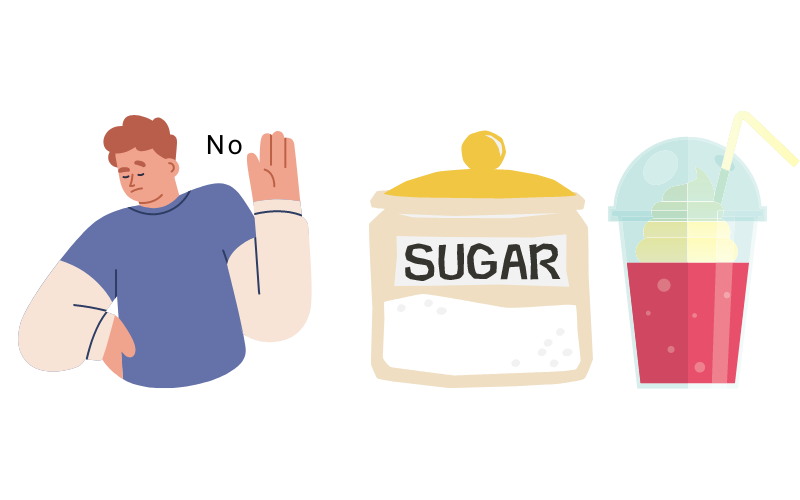
Avoid Sugar And Sugar Drinks
For years, dieticians have warned that excess sugar consumption could lead to various health problems, including weight gain, diabetes, and heart disease. It may also increase your chances of having a fatty liver. Reducing sugar-sweetened drinks may be one of the most effective ways to reduce abdominal and liver fat.
You might think you can handle eating a lot of sugar because you’ve been eating it your whole life. Unfortunately, that doesn't make it any less harmful. Recent studies show that sugar has uniquely harmful effects on metabolic health. Eating foods with added sugar can cause weight gain and lead to fat building up around your abdomen and liver. Additionally, too much sugar can increase your risk of diabetes, heart disease, and stroke.
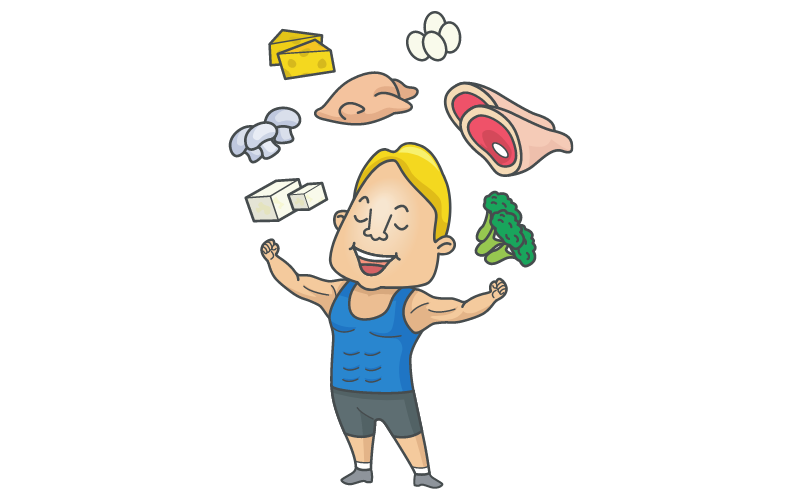
Eat More Protein
If you're trying to lose weight, consider adding more protein to your diet. Protein is essential for many bodily functions, including muscle growth and repair, but it can also be helpful for weight loss. Protein-rich diets can reduce cravings, maintain satiety, and boost metabolism. High-protein foods could help to reduce hunger levels, making it easier to stick to a calorie-restricted diet. Moreover, protein takes longer to digest than other nutrients, meaning you'll feel full longer after eating a protein-rich meal.
High-protein foods can help to reduce hunger levels, making it easier to stick to a calorie-restricted diet. Moreover, protein takes longer to digest than other nutrients, meaning you'll feel full longer after eating a protein-rich meal.
Eat Fewer Carbohydrates
While trying to shed a few extra pounds, you may often turn to low-carb diets in hopes of seeing quick results. And while there is no one-size-fits-all solution to weight loss, research has shown that reducing carbohydrate intake can be an effective strategy for those hoping to lose fat in the short term.
When you eat fewer carbs, your appetite decreases, and you eat fewer calories overall. In addition, low-carb diets lead to quick reductions in water weight, which could give you initial results that inspire you to stick with the diet in the long run. While cutting carbs may not be the only key to success regarding weight loss, it can be a helpful tool for those looking to make a lasting change.

Eat Healthy Fats
Fat is often an overlooked component of a healthy diet. Although eating too much fat can lead to weight gain, not all fats are created equal. Eating healthy fats can help you lose weight in two ways.
First of all, healthy fats increase satiety, meaning you will feel fuller after eating and less likely to overeat later on. Secondly, healthy fats make weight loss easier because they give the body essential nutrients and energy. As a result, if you want to lose weight, incorporating healthy fats into your diet is an intelligent choice.

Eat Fiber-Rich Foods
Dietary fiber is a carbohydrate that the body cannot digest. Although it does not provide calories or nutrients, fiber is an important part of a healthy diet. Fiber could help your body to promote regular bowel movements which help in constipation, and it can also help with weight loss by promoting a feeling of fullness. Fiber slows digestion and absorption of nutrients, which means it takes longer for the body to break down food and absorb the calories. As a result, if you eat plenty of fiber, you tend to feel fuller for longer and have less appetite. Dietary fiber is found in many plant-based foods, such as fruits, vegetables, whole grains, and legumes. Including these foods in your diet can help you reach your recommended fiber intake.

Drink Healthier Beverages
If you're looking to burn belly fat, one simple change you can make is to swap out sugary drinks for healthier options. You can easily shy away hundreds of additional calories from your daily intake by cutting out soda, fruit juice, and other sweetened beverages. Another way to cut belly fat is to limit your alcohol intake. While a glass of wine or beer here and there won't hurt, overindulging can lead to weight gain. So if you want to slim down, you need to stick to water, unsweetened tea, and coffee.
Exercise Regularly
Regular exercise can help in reducing belly fat and make it easier for your body to lose overall fat. One of the most beneficial forms of exercise for weight loss is cardiovascular exercise, which helps to raise your heart rate and burn calories. However, weight training is also important, as it helps build muscle and boost metabolism. In addition, both forms of exercise help reduce abdominal fat, which harms your health. Regular exercise can help to reduce abdominal fat by up to seven percent. Furthermore, 30 minutes a day can lead to significant health benefits, including reducing your risk of heart disease and diabetes. So if you want to improve your health and lose weight, include cardiovascular and weight-training exercises in your routine.

Track Your Food Intake
When tracking food intake, many assume that they need to weigh and measure everything they eat to get an accurate diet picture. However, this is not necessarily the case. Tracking intake regularly can help identify areas where changes need to be made, but tracking every meal is optional. Tracking macros can also help achieve specific goals. For example, if you want to boost your protein intake or reduce unhealthy carbs, tracking can help you stay on track. Ultimately, the most important thing is to find what works for you and ensure you progress toward your goals.

Final Thoughts On Getting Rid Of Belly Fat For Men
Carrying extra weight around your belly area is not only aesthetically unpleasing but could also indicate poor health. Belly fat is linked to an increased risk of heart disease, stroke, and diabetes. If you're carrying a few extra pounds, there's no need to panic--in most cases, belly fat can be reduced through lifestyle changes. Eating a healthy diet rich in lean protein, vegetables and fruit, and legumes and exercising regularly are all key components to weight loss. In addition, Cutting back on processed foods and sugary drinks may also help you in shrinking your waistline. Making these lifestyle changes may require effort, but they are ultimately worth it for your health.
(Disclaimer: Devdiscourse's journalists were not involved in the production of this article. The facts and opinions appearing in the article do not reflect the views of Devdiscourse and Devdiscourse does not claim any responsibility for the same.)


 Google News