

Prostate Cancer Rising in Younger Men: Experts Urge Early Detection
The number of prostate cancer cases in men under 50 is increasing in India, with a more aggressive form of the disease. Experts emphasize early detection and management, noting that modern treatments have significantly improved outcomes. Awareness and lifestyle changes are crucial in reducing risks and improving survival rates.
- Country:
- India
The incidence of prostate cancer among men under 50 in India is alarmingly rising, with the disease manifesting in a more aggressive form, according to experts. This underscores the importance of early detection, as the cancer, often slow-growing, can be effectively managed if identified in its initial stages.
Recognised globally in September as Prostate Cancer Awareness Month, this issue has gained heightened attention. Experts highlight that while the cancer primarily targets older men, the younger demographic in India is witnessing a significant spike in cases. Data from the World Health Organization (WHO) reveals that prostate cancer affected 37,948 Indian men in 2022, making up about 3% of the 14 lakh new cancer cases in the country.
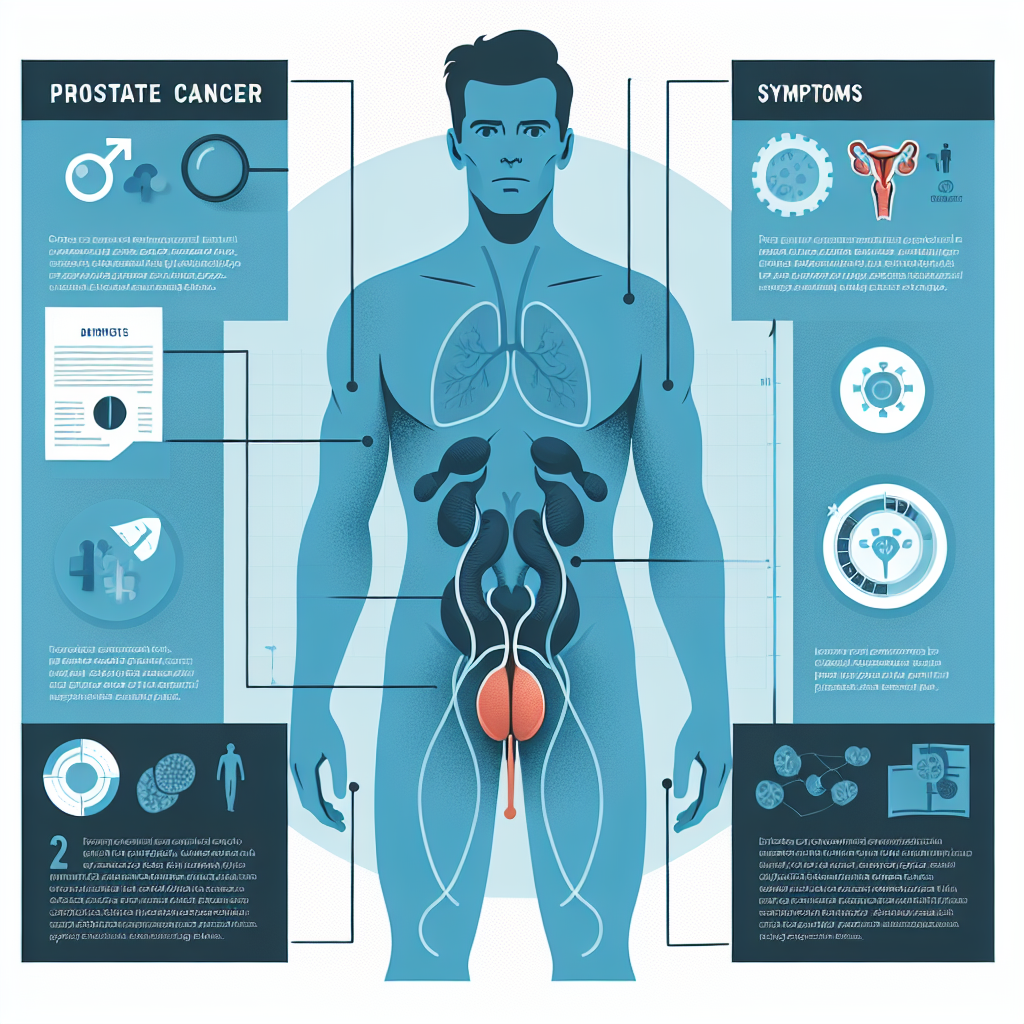
Dr Ashish Gupta, the chief oncologist at Unique Hospital Cancer Centre, Delhi, stresses that early diagnosis drastically increases survival rates. In contrast to the U.S., where 80% of cases are detected early, India sees delayed diagnoses more often, highlighting the necessity for regular PSA tests and check-ups. Symptoms like difficulty urinating, frequent nighttime urination, blood in urine or semen, and pain in the hips, back, or pelvis should not be ignored.
Advanced medical technologies and modern treatments, including robotic surgeries, targeted therapy, and immunotherapy, have significantly improved patient outcomes. However, societal stigmas and the fear of diagnosis keep many men from seeking timely medical advice. Dr Tanvi Sood of Paras Hospital, Gurugram, notes that hereditary genetic mutations may also be contributing to the rise in younger men. Regular screenings and healthy lifestyle choices are essential preventive measures.


 Google News