

Unlocking the Brain's Pain-Switch: Revolutionary Insights into Pain Management
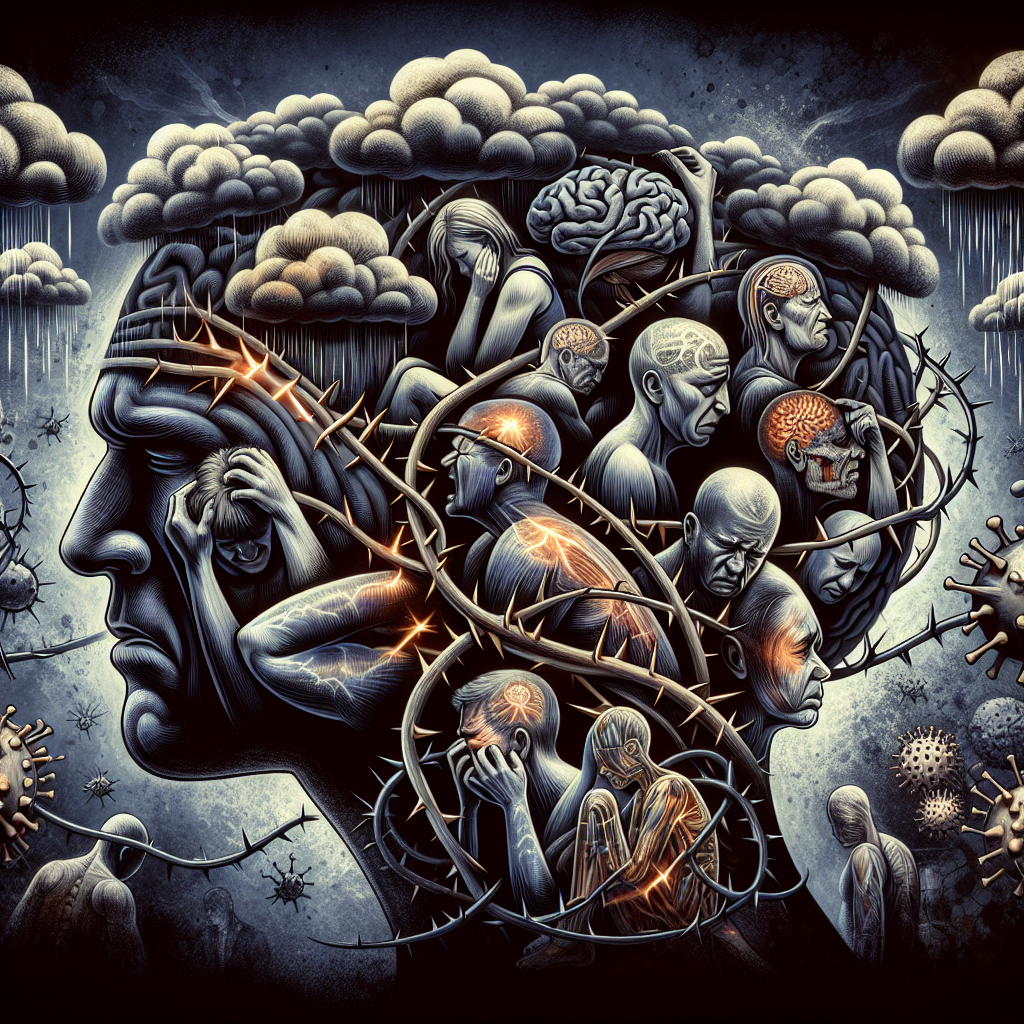
The intriguing phenomenon of pain suppression was observed by Henry Beecher among soldiers during WWII. Pain, often deemed an unpleasant sensation, is actually a vital protective mechanism created by the brain. Understanding pain's mechanisms and potential natural suppressants, such as enkephalins, could pave the way for new pain management techniques, breaking reliance on opioids.
- Country:
- United Kingdom
A remarkable observation during World War II by physician Henry Beecher revealed that some soldiers, despite battlefield injuries, felt no severe pain, thanks to the brain's role in pain management.
Pain is often unpleasant but crucial, designed to protect rather than harm. Specialized neurons, nociceptors, detect harmful stimuli. Understanding pain's pathways and the brain's pain modulation systems, like the periaqueductal grey, could revolutionize treatment.
Enkephalins, natural brain-produced painkillers, show potential. Exercise, stress, and lifestyle might enhance these. Recent developments, like Journavx approved by the FDA, offer hope of reducing opioid dependence. Pain research is key to unraveling these mysteries, aiming to enable our bodies as their healers.


 Google News