

Decoding Digestive Distress: Gastroenteritis vs. Food Poisoning
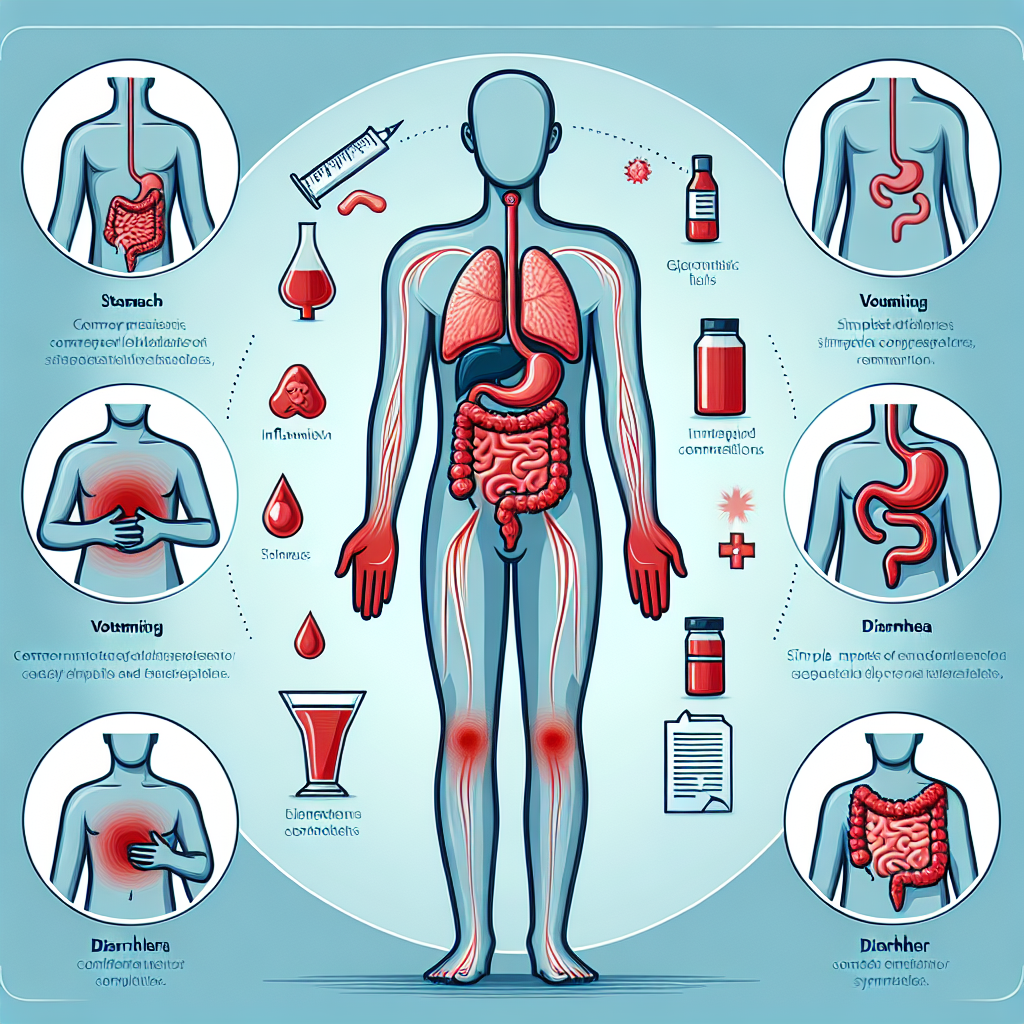
Gastroenteritis, often caused by viruses or bacteria, inflames the gut lining, while food poisoning results from consuming contaminated food. Both share symptoms like diarrhea and vomiting but differ in onset timing. Understanding these distinctions is crucial for effective management of these common ailments, which affect millions annually in Australia.
- Country:
- Australia
Residents of Australia experience widespread digestive distress annually, with millions suffering from either gastroenteritis or food poisoning. Understanding the difference between the two is crucial as they present similar symptoms.
Gastroenteritis, often shortened to 'gastro,' is an infection of the gut caused by viruses, bacteria, or other microbes, leading to inflammation. In contrast, food poisoning arises from ingesting contaminated food.
While symptoms overlap, such as nausea and vomiting, their onset varies—viral gastroenteritis manifests within days, whereas food poisoning can strike within hours of consumption, making diagnosis challenging. Public awareness of these differences is essential for effective treatment.


 Google News