

Asian Manufacturing: Navigating Uncertainty in Global Trade
Factory activity in numerous Asian countries declined in June due to U.S. tariff uncertainties, although slight increases offered hope in trade negotiations. Policymakers face challenges as trade talks with the U.S. remain stalled. Economic recovery and global demand uncertainties continue to impact the region’s manufacturing prospects.
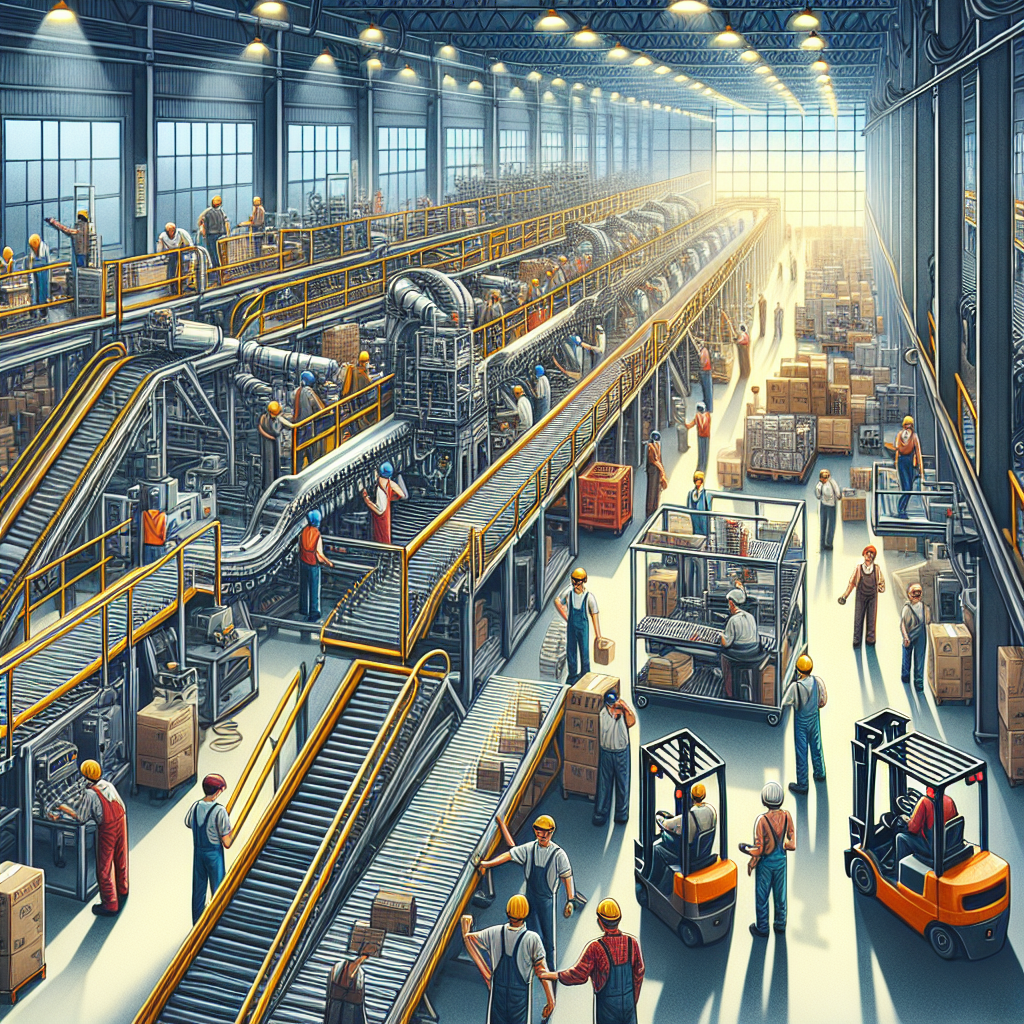
In June, manufacturing activity across various Asian countries saw a decline, attributed largely to uncertainties surrounding U.S. tariffs. While some modest improvements were noted, they escalate the complexity of upcoming trade talks with the United States, casting a shadow over the region's economic recovery outlook.
Japan observed an expansion in manufacturing for the first time in 13 months, and South Korea reported a slower contraction rate, according to recent private surveys. China's Caixin PMI registered growth contrary to official reports, driven by a rise in new orders, creating a mixed outlook overall.
Persistent trade negotiation hurdles with the U.S., combined with unpredictable global demand, threaten Asia's manufacturing sector. Analysts emphasize that while some markets like India thrive, others remain vulnerable. This precarious environment suggests that policymakers might prioritize stimulating growth as a response to these challenges.


 Google News