



Global Health Coverage Improves but Billions Still Face Hardship, WHO–World Bank Warn
The UHC Global Monitoring Report 2025 shows that the Service Coverage Index (SCI) — a measure of access to essential health services — rose from 54 to 71 points between 2000 and 2023.
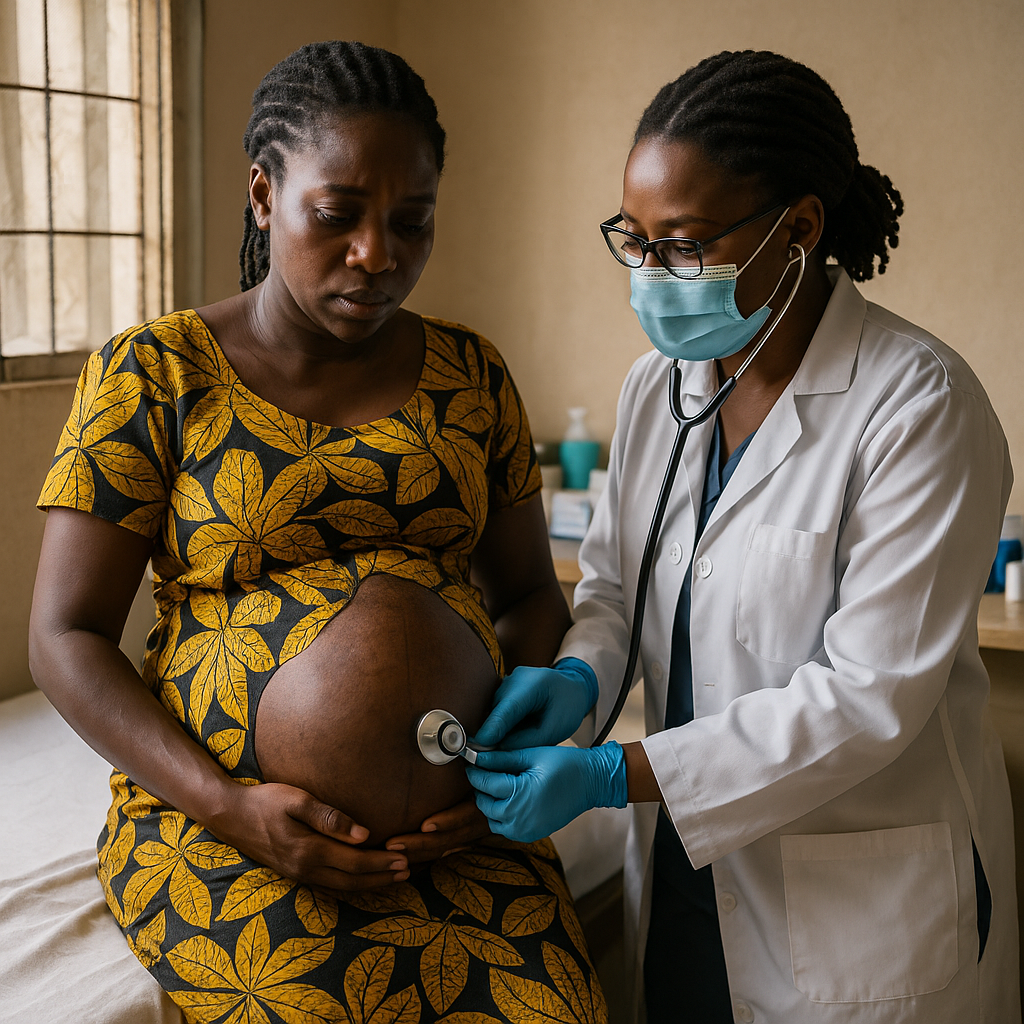
A new joint World Health Organization (WHO) and World Bank Group report finds that since 2000, countries across all income levels have made steady progress in expanding access to essential health services while reducing the financial burden of medical costs. These indicators form the backbone of universal health coverage (UHC) — the global commitment to ensure that everyone, everywhere can obtain the care they need without suffering financial hardship by 2030.
The UHC Global Monitoring Report 2025 shows that the Service Coverage Index (SCI) — a measure of access to essential health services — rose from 54 to 71 points between 2000 and 2023. During the same period, the proportion of people facing serious financial hardship due to out-of-pocket (OOP) health costs dropped from 34% to 26%.
While these gains reflect improved health systems, stronger disease control, and rising economic stability in many regions, inequalities remain severe. The report warns that the poorest populations continue to suffer the most, with 1.6 billion people pushed further into poverty by health spending alone. Today, an estimated 4.6 billion people lack access to essential health services, while 2.1 billion experience financial hardship — including the 1.6 billion living in poverty or sinking deeper into it due to medical bills.
Deepening Inequality Despite Global Progress
WHO Director-General Dr Tedros Adhanom Ghebreyesus emphasised the urgency of renewed political commitment. "Universal health coverage is the ultimate expression of the right to health," he said. "But for billions of people who cannot access or afford the health services they need, that right remains out of reach. In the context of severe cuts to international aid, now is the time for countries to invest in their health systems."
Financial hardship is defined as households spending more than 40% of their discretionary income on OOP health expenses. Medicines are the leading cause: in three-quarters of countries, medicines account for at least 55% of OOP spending, rising to a median of 60% among people living in poverty. This forces families to sacrifice other essentials such as food, housing, and education.
Middle-income countries — home to growing working-class and ageing populations — are increasingly affected as well, with rising costs and limited financial protection mechanisms.
Slow Progress Toward 2030 Targets
If current trends continue, the world will not meet its UHC ambition by 2030. The global SCI is projected to reach only 74 out of 100, and nearly 1 in 4 people will still experience financial hardship due to healthcare costs by the end of the Sustainable Development Goals (SDG) period.
Although all WHO regions have improved service coverage, only half — Africa, South-East Asia, and the Western Pacific — managed to reduce financial hardship simultaneously. Low-income countries saw the fastest progress but continue to face the steepest barriers, including limited health financing, workforce shortages, and fragile infrastructure.
Drivers of Progress — and Setbacks
The global rise in service coverage has been mostly driven by advances in infectious disease programmes, including HIV, tuberculosis, malaria, and vaccine-preventable diseases. Coverage of noncommunicable disease (NCD) services has grown steadily, reflecting the rising global burden of heart disease, cancer, and diabetes. However, improvements in reproductive, maternal, newborn, and child health (RMNCH) have been modest, raising concerns about stagnation in foundational health services.
Progress has also been supported by improvements in sanitation systems, enhanced social protection programmes, and inclusive economic growth — particularly in low-income countries. Yet, despite poverty reduction in some regions, health costs are increasingly a source of financial strain for the poorest families, underscoring the need for stronger financial protection.
Growing Inequalities Across Populations
The report reveals widening inequalities:
-
In 2022, three out of four people in the poorest income group faced financial hardship from health expenses.
-
In contrast, fewer than one in twenty-five in the richest group faced similar challenges.
-
Women, rural residents, people with lower education, and those living in poverty are disproportionately affected.
-
Even in high-income regions like Europe, vulnerable populations — including people with disabilities and low-income households — consistently report higher unmet health needs.
Data gaps also mean the situation may be worse than reported. Displaced populations, conflict-affected communities, and informal settlement residents are often excluded from surveys, masking the true extent of inequality.
Path Forward: Actions Needed by 2030
The report urges governments to strengthen political will and take decisive action in six key areas to accelerate progress toward universal health coverage:
-
Ensure essential health services are free at the point of care for people living in poverty and vulnerable groups.
-
Increase public investment in health systems, including workforce, infrastructure, and supply chains.
-
Reduce out-of-pocket spending on medicines, the leading driver of financial hardship.
-
Boost access to essential NCD services, especially as global disease burdens shift.
-
Strengthen primary health care, the most equitable and cost-efficient foundation for UHC.
-
Adopt multisectoral strategies, recognising that health outcomes are shaped by factors beyond the health system.
With only five years left to achieve the SDG deadline, the report underscores that universal health coverage is not only a technical goal but a moral imperative, central to global equity, stability, and human rights.


 Google News