

Global Fight Against Hepatitis Gains Ground, But Claims 1.34 Million Lives: WHO
The report highlights significant gains since 2015, driven by coordinated global action following WHO’s hepatitis elimination targets adopted in 2016.
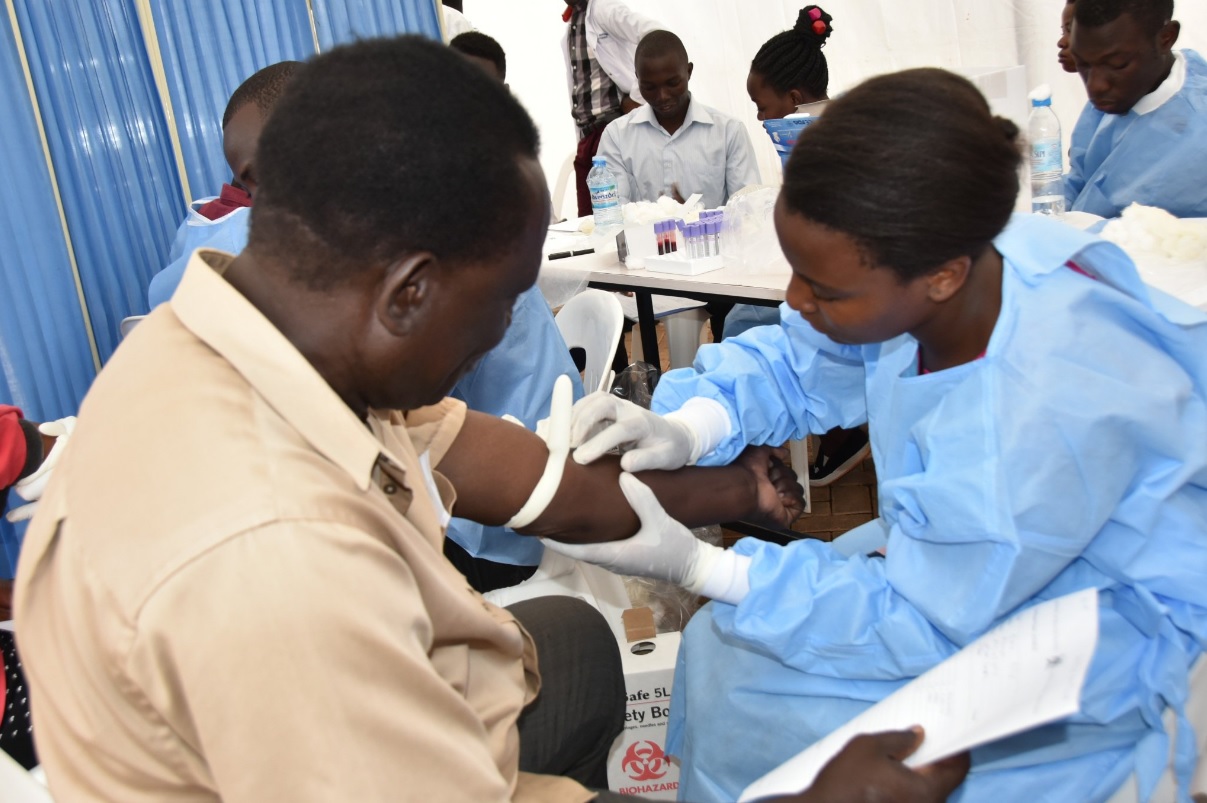
The global campaign to eliminate viral hepatitis is making measurable progress, but the disease continues to claim over a million lives annually, underscoring a widening gap between available solutions and real-world access, according to a new World Health Organization (WHO) report.
Released at the World Hepatitis Summit, the 2026 Global Hepatitis Report reveals that hepatitis B and C—responsible for 95 percent of hepatitis-related deaths—killed 1.34 million people in 2024, even as prevention and treatment efforts improve worldwide.
At the same time, transmission remains alarmingly high, with more than 4,900 new infections every day, equivalent to 1.8 million new cases annually.
Progress achieved—but not fast enough
The report highlights significant gains since 2015, driven by coordinated global action following WHO's hepatitis elimination targets adopted in 2016.
Key achievements include:
-
A 32 percent reduction in new hepatitis B infections
-
A 12 percent decline in hepatitis C-related deaths
-
A drop in hepatitis B prevalence among children under five to 0.6 percent, with 85 countries meeting or surpassing the 2030 target
These improvements demonstrate that elimination is achievable. However, WHO warns that progress remains too slow and uneven to meet global targets by 2030.
"While countries are showing that eliminating hepatitis is possible, many people remain undiagnosed and untreated," said WHO Director-General Dr Tedros Adhanom Ghebreyesus, pointing to persistent inequalities in access to care.
Massive global burden persists
Despite advances, hepatitis continues to impose a heavy global health burden:
-
287 million people were living with chronic hepatitis B or C infections in 2024
-
0.9 million new hepatitis B infections occurred in the same year
-
Another 0.9 million new hepatitis C infections were recorded
The WHO African Region remains particularly affected, accounting for 68 percent of new hepatitis B infections, yet only 17 percent of newborns in the region receive the critical birth-dose vaccine.
Meanwhile, hepatitis C transmission is strongly linked to unsafe injection practices, with 44 percent of new infections occurring among people who inject drugs, highlighting the urgent need for expanded harm reduction services.
Treatment gap remains a critical challenge
One of the most pressing issues identified in the report is the massive gap in diagnosis and treatment:
-
Fewer than 5 percent of people with chronic hepatitis B are receiving treatment
-
Only 20 percent of hepatitis C patients have been treated since 2015, despite the availability of highly effective therapies
This gap persists even though modern treatments offer remarkable outcomes:
-
Hepatitis B vaccines provide over 95 percent protection
-
Antiviral therapies can effectively manage chronic infections
-
Hepatitis C can be cured in 8–12 weeks with a success rate of around 95 percent
"Every missed diagnosis represents a preventable death," said Dr Tereza Kasaeva, WHO's Director for HIV, TB, Hepatitis and STIs, stressing the urgency of expanding access to care.
Unequal burden across countries
The report also reveals stark geographic disparities:
-
Ten countries account for 69 percent of hepatitis B-related deaths, including India, China, Nigeria, Indonesia, and South Africa
-
Another group of ten countries contributes 58 percent of hepatitis C-related deaths, reflecting a broader global spread
These disparities highlight the need for targeted interventions in high-burden regions, particularly in Africa and Asia.
Proven solutions—but scaling remains the challenge
Encouragingly, several countries—including Egypt, Georgia, Rwanda, and the United Kingdom—have demonstrated that elimination is achievable through sustained investment and policy commitment.
The WHO report outlines key priority actions to accelerate progress:
-
Expanding treatment coverage for chronic hepatitis B
-
Increasing access to hepatitis C curative therapies
-
Improving vaccination rates, particularly birth-dose coverage
-
Strengthening harm reduction and safe injection practices
-
Integrating hepatitis services into primary healthcare systems
A critical decade ahead
With just a few years remaining to meet the 2030 elimination targets, the report emphasizes that urgent, large-scale action is required.
Greater political commitment, increased domestic financing, and stronger health systems will be essential to close the gap between available tools and their implementation.
"The tools to eliminate hepatitis already exist," WHO officials stress. "The challenge now is ensuring they reach everyone who needs them."
As global health systems continue to recover from pandemic disruptions, the fight against hepatitis stands at a pivotal moment—one where accelerated action could save millions of lives, but delays risk prolonging one of the world's deadliest yet preventable public health crises.
ALSO READ
-
People Are Living Longer, but WHO Figures Reveal Growing Cost of Poor Health
-
Netherlands and WHO Strengthen Health Partnership as Crises Put Care Under Pressure
-
Longer Lives, Unequal Care: UN Report Exposes Gaps in Support for Older People Globally
-
Kazakhstan Connects Over 200 Health Workers With Global Clinical Research Experts
-
Higher Tobacco Taxes Cut Smoking and Show How Health Levies Can Change Daily Lives


 Google News