

UNICEF Warns Children at Extreme Risk as Ebola Outbreak Spreads Across DR Congo and Uganda
The current outbreak involves the Bundibugyo strain of the Ebola virus, a less common variant than the better-known Zaire strain responsible for several previous major outbreaks in Africa.
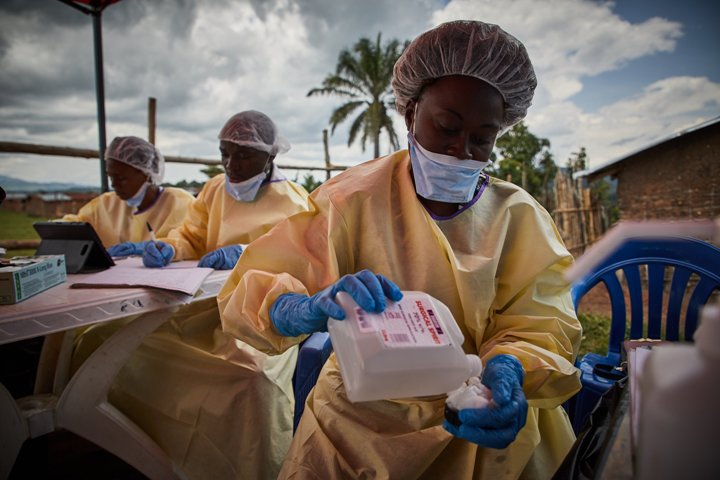
UNICEF has raised alarm over worsening Ebola outbreaks in the Democratic Republic of the Congo (DRC) and Uganda, warning that children and vulnerable communities face growing danger as the virus spreads across parts of East and Central Africa.
The warning comes after the World Health Organization (WHO) declared the situation a Public Health Emergency of International Concern, reflecting mounting fears about regional transmission, fragile healthcare systems, and worsening humanitarian conditions in affected areas.
According to UNICEF, at least 246 suspected Ebola cases have been reported so far, including 80 suspected deaths in Ituri Province in eastern DRC. Uganda has also confirmed two Ebola cases, including one death, raising concerns about cross-border spread in a region already struggling with insecurity and displacement.
Health officials say rapid action, strong community engagement, and international support are urgently needed to contain the outbreak and prevent a wider regional health emergency.
Rare Bundibugyo Ebola Strain Raising New Concerns
The current outbreak involves the Bundibugyo strain of the Ebola virus, a less common variant than the better-known Zaire strain responsible for several previous major outbreaks in Africa.
Unlike the Zaire strain, there is currently:
-
No approved vaccine
-
No fully approved targeted treatment
-
Limited outbreak experience globally
Health authorities believe circulation of the virus may have begun as early as late April, potentially allowing the disease to spread undetected for weeks before official confirmation.
Experts warn that the lack of a licensed vaccine for the Bundibugyo strain significantly complicates containment efforts and increases reliance on traditional public health measures such as:
-
Early case detection
-
Isolation of patients
-
Contact tracing
-
Infection prevention
-
Community awareness campaigns
Children Facing Severe Health and Social Risks
UNICEF emphasized that children are among the most vulnerable populations during Ebola outbreaks.
Beyond the direct risk of infection, outbreaks often trigger widespread disruption to:
-
Healthcare services
-
Nutrition programmes
-
Education systems
-
Child protection networks
Children affected by Ebola may experience:
-
Loss of parents or caregivers
-
Psychological trauma
-
Social stigma
-
Isolation
-
Increased risks of exploitation and abuse
Humanitarian agencies say outbreaks in fragile settings can leave long-lasting social and developmental impacts on children, even among those who never contract the virus themselves.
UNICEF warned that in conflict-affected regions such as eastern DRC, these risks are amplified by displacement, poverty, insecurity, and weak public infrastructure.
Conflict and Population Movement Fueling Spread
Health officials are particularly concerned about the volatile security situation in eastern DRC, where armed conflict and instability continue to limit humanitarian access and complicate outbreak response efforts.
The region faces:
-
Active armed group activity
-
Population displacement
-
Poor transportation infrastructure
-
Limited healthcare access
-
High cross-border mobility
These conditions increase the likelihood of rapid virus transmission between communities and neighbouring countries.
Public health experts note that mobility between eastern DRC and Uganda is especially high due to:
-
Trade routes
-
Family connections
-
Refugee movements
-
Informal border crossings
Without effective cross-border coordination, officials fear the outbreak could spread further across the region.
UNICEF Mobilizes Emergency Supplies and Personnel
In response to the growing emergency, UNICEF has already mobilized nearly 50 tonnes of critical infection prevention and control supplies to Bunia in eastern DRC.
The supplies include:
-
Disinfectants and soap
-
Personal protective equipment (PPE)
-
Water purification tablets
-
Water storage tanks
-
Hygiene materials
The organization also announced the deployment of a multidisciplinary Emergency Rapid Response team to support authorities in priority response areas.
The emergency teams will help strengthen:
-
Risk communication
-
Community engagement
-
Public awareness campaigns
-
Technical outbreak response
-
Support for frontline healthcare workers
UNICEF stressed the importance of ensuring families understand how Ebola spreads and how infections can be prevented.
Thousands of Community Health Workers Already Deployed
More than 2,000 community health workers are already operating in affected regions, helping identify suspected cases, educate communities, and support surveillance efforts.
However, UNICEF warned that additional resources and staffing are urgently needed, especially in hard-to-reach areas where insecurity and logistical barriers complicate operations.
Frontline responders themselves face significant risks during Ebola outbreaks, including exposure to infection, violence, stigma, and exhaustion.
International agencies say sustained funding and protective support for health workers will be essential to preventing the outbreak from escalating further.
UNICEF Activates Highest-Level Emergency Response
To strengthen its response, UNICEF has activated its highest emergency classification — a Level 3 Corporate Emergency — for the outbreak.
This designation enables:
-
Immediate release of emergency funding
-
Accelerated deployment of personnel
-
Simplified operational procedures
-
Enhanced global coordination
-
Faster delivery of supplies and technical support
The activation reflects the seriousness of the outbreak and the potential humanitarian consequences if transmission continues to spread.
UNICEF is coordinating closely with:
-
WHO
-
Africa Centres for Disease Control and Prevention (Africa CDC)
-
National governments
-
Local authorities
-
Humanitarian organizations
to support government-led containment measures.
Ebola Remains One of the World's Deadliest Diseases
Ebola virus disease is one of the world's most dangerous infectious diseases, with some outbreaks recording fatality rates of up to 90 percent.
The virus spreads through direct contact with:
-
Bodily fluids of infected individuals
-
Contaminated surfaces
-
Infected animals
-
Medical equipment without proper sterilization
Symptoms may include:
-
Fever
-
Severe weakness
-
Vomiting
-
Diarrhoea
-
Internal and external bleeding
Outbreaks can spread rapidly in areas with weak healthcare systems, poor sanitation, and limited infection control capacity.
Community Trust Critical to Containment
Health experts repeatedly stress that community trust and local engagement are among the most important tools for controlling Ebola outbreaks.
In past outbreaks, misinformation, fear, stigma, and mistrust of authorities often hindered response efforts and fueled transmission.
UNICEF officials emphasized that effective communication with local communities is essential to:
-
Encourage early reporting of symptoms
-
Promote safe burial practices
-
Reduce misinformation
-
Strengthen cooperation with health workers
The agency said trusted local leaders, community health workers, and grassroots organizations play a vital role in building public confidence during health emergencies.
Calls for Safe Humanitarian Access
UNICEF is urging all parties to ensure safe and sustained humanitarian access to affected communities, particularly in eastern DRC where insecurity frequently disrupts aid operations.
The organization warned that delays in reaching vulnerable populations could increase transmission risks and worsen the humanitarian impact on children and families.
Humanitarian agencies also fear that broader disruptions caused by the outbreak could affect vaccination campaigns, maternal health services, food assistance programmes, and education systems across affected regions.
International Support Needed to Prevent Wider Crisis
Global health authorities warn that rapid international support will be critical to preventing the current outbreaks from escalating into a larger regional emergency.
Experts say lessons from previous Ebola outbreaks demonstrate that early intervention, strong surveillance systems, and coordinated international cooperation can significantly reduce transmission and mortality.
UNICEF concluded that protecting children and vulnerable communities will require:
-
Rapid action
-
Sustained funding
-
Strong community engagement
-
Protection for frontline responders
-
Cross-border coordination
-
Expanded humanitarian access
As health workers race to contain the virus, humanitarian agencies are warning that time remains one of the most critical factors in preventing further spread.


 Google News