

WHO and Gilead Renew Partnership to Eliminate Deadly Visceral Leishmaniasis
WHO officials described the agreement as a major step forward in the global fight against neglected tropical diseases.
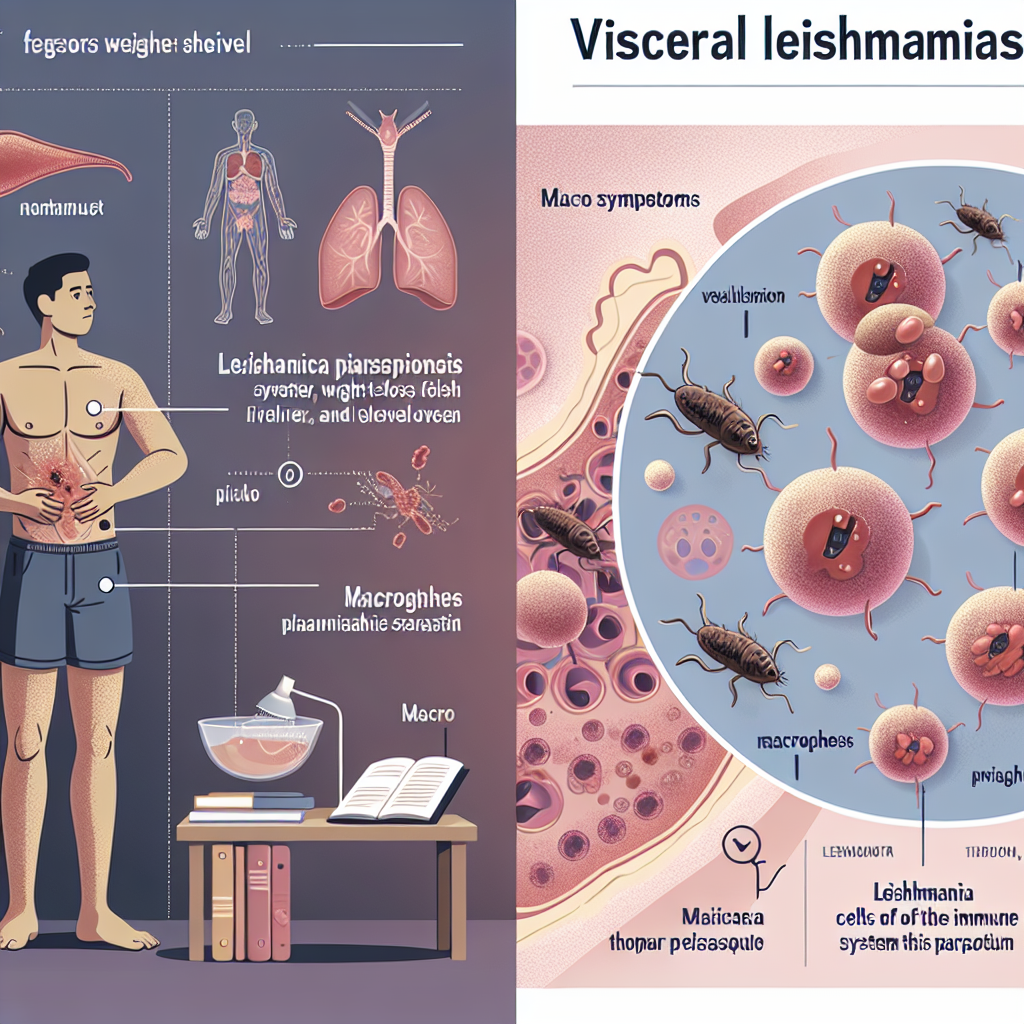
The World Health Organization (WHO) and biopharmaceutical company Gilead Sciences have renewed their long-standing partnership to combat visceral leishmaniasis (VL), one of the world's deadliest neglected tropical diseases, through a new five-year agreement covering the period from 2026 to 2030.
The renewed collaboration aims to strengthen global efforts to eliminate visceral leishmaniasis as a public health problem by expanding access to life-saving treatment, improving diagnosis, and supporting disease prevention programmes in some of the world's most vulnerable communities.
Under the agreement, Gilead Sciences will donate 402,941 vials of AmBisome® — a liposomal amphotericin B injection widely regarded as one of the most effective treatments for visceral leishmaniasis and its severe complications.
The company first began donating the medicine to WHO in 2012, and the partnership has since been renewed multiple times due to its significant impact in reducing disease burden in affected regions.
With this latest commitment, the total contribution from Gilead Sciences since the beginning of the partnership will reach approximately:
-
1.5 million vials of AmBisome®
-
More than US$27 million in financial support
The renewed agreement also includes additional funding aimed at improving healthcare access, strengthening disease surveillance, and scaling up WHO-recommended interventions in endemic countries.
WHO officials described the agreement as a major step forward in the global fight against neglected tropical diseases.
Dr Jeremy Farrar, WHO Assistant Director-General for Health Promotion, Disease Prevention and Care, said strategic partnerships remain essential for tackling diseases that disproportionately affect the world's poorest populations.
"This collaboration strengthens our ability to support countries working toward eliminating visceral leishmaniasis as a public health threat," Farrar said.
He explained that the partnership will help improve access to critical medical tools, promote innovation, and strengthen healthcare systems in high-burden regions over the next five years.
"It reflects a shared commitment to ensuring that vulnerable communities are not left behind in the fight against neglected tropical diseases," he added.
The donated medicines are expected to benefit patients in several heavily affected countries, including:
-
Bangladesh
-
Chad
-
Djibouti
-
Ethiopia
-
Eritrea
-
India
-
Kenya
-
Nepal
-
Somalia
-
South Sudan
-
Sudan
-
Uganda
-
Yemen
Visceral leishmaniasis, commonly known as kala-azar, is the most severe form of leishmaniasis and remains endemic in more than 80 countries worldwide.
The disease is caused by parasites transmitted through the bite of infected sandflies and can become fatal if left untreated.
Symptoms often include:
-
Persistent fever
-
Severe weight loss
-
Enlarged spleen and liver
-
Anaemia
-
Extreme weakness
Health experts say the disease disproportionately affects impoverished communities and is closely linked to malnutrition, poor housing, displacement, weak immune systems, and limited healthcare access.
According to WHO estimates, between 50,000 and 90,000 new cases occur globally every year.
More than 90 percent of reported cases are concentrated in just 12 countries:
-
Brazil
-
Chad
-
Ethiopia
-
Eritrea
-
India
-
Kenya
-
Nepal
-
Somalia
-
South Sudan
-
Sudan
-
Uganda
-
Yemen
Gilead Sciences Chairman and Chief Executive Officer Daniel O'Day said significant progress has already been achieved through the partnership, particularly in improving access to treatment in endemic regions.
"Ending visceral leishmaniasis is increasingly achievable because of sustained global commitment and investment," O'Day said.
He noted that the expanded collaboration will place stronger emphasis on East Africa, where the disease remains highly prevalent and healthcare systems often face severe resource constraints.
"With stronger focus and continued collaboration, we can accelerate progress toward elimination and ensure more people receive the care they need to survive," he said.
WHO's Director for Malaria and Neglected Tropical Diseases, Dr Daniel Ngamije Madandi, said several countries have already made remarkable progress in controlling the disease thanks to sustained international partnerships.
"In many endemic regions, long-term commitment has brought visceral leishmaniasis close to elimination as a public health problem," Madandi said.
However, he warned that transmission continues in difficult and fragile settings, making continued vigilance and investment essential.
One of the partnership's most notable successes has been in South-East Asia, where new visceral leishmaniasis cases have declined by more than 95 percent since 2005.
WHO officially validated Bangladesh in 2023 for eliminating visceral leishmaniasis as a public health problem, representing a major milestone in global disease control efforts.
Public health experts say the renewed agreement demonstrates how long-term international cooperation between global health agencies, governments, and private sector partners can produce measurable progress against neglected diseases.
The initiative also highlights the growing importance of strengthening healthcare systems, expanding access to medicines, and addressing the social conditions that allow neglected tropical diseases to persist.
As global health organisations continue working toward elimination goals, officials say sustained investment, early diagnosis, and improved treatment access will remain critical to protecting vulnerable populations and preventing future outbreaks.


 Google News