

Women Face Higher Risk During Ebola Outbreaks as UN Women Urges Gender-Focused Response in Africa
Women are often the primary caregivers in homes and communities, placing them in direct physical contact with infected individuals during the most contagious stages of the disease.
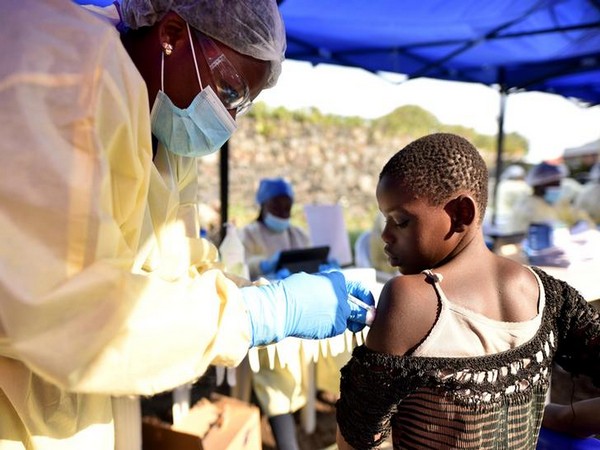
As Ebola outbreaks continue to threaten communities in parts of Africa, UN Women has warned that women and girls remain disproportionately affected by the deadly disease due to social roles, caregiving responsibilities, and inequalities that place them at greater risk of infection.
The organization says history has repeatedly shown that women are more likely than men to contract and die from Ebola, not because the virus is biologically more dangerous for them, but because women are more exposed to infection through the essential roles they play in families, healthcare systems, and communities.
With new Ebola outbreaks emerging in the Democratic Republic of the Congo (DRC) and Uganda, UN Women is calling for urgent investments in women-led organisations, frontline healthcare, and gender-sensitive emergency responses to prevent another humanitarian tragedy.
Women Have Historically Been Most Affected by Ebola
Previous Ebola outbreaks have consistently demonstrated the unequal impact of the disease on women.
During the 2018–2019 Ebola outbreak in the Democratic Republic of the Congo, women and girls accounted for nearly two-thirds of reported infections. In Liberia's 2014 outbreak, women represented up to three-quarters of Ebola-related deaths in some communities.
Even during one of the earliest recorded Ebola outbreaks in the DRC more than 50 years ago, women accounted for 56 percent of fatalities.
Public health experts say these patterns continue to emerge because Ebola transmission closely follows existing social and gender realities within communities.
Caregiving Roles Increase Exposure to Infection
Women are often the primary caregivers in homes and communities, placing them in direct physical contact with infected individuals during the most contagious stages of the disease.
Across many African societies, women care for sick children, elderly relatives, and injured family members. They also work extensively in healthcare roles as nurses, cleaners, birth attendants, and community health workers.
In addition, women are frequently responsible for preparing bodies for burial — a practice that can carry significant infection risks during Ebola outbreaks because the virus remains highly contagious after death.
UN Women stressed that these caregiving and domestic responsibilities significantly increase women's exposure to the virus compared to men.
Pregnant Women Face Severe Health Risks
Pregnant women face additional dangers during Ebola outbreaks because they often require more frequent medical care and contact with health facilities.
Historical data suggests that Ebola infection during pregnancy is associated with extremely high maternal mortality and severe complications.
Reports from past outbreaks indicate nearly 100 percent adverse pregnancy outcomes among infected pregnant women, including miscarriage, stillbirth, or neonatal death.
Healthcare access also becomes more difficult during outbreaks as overstretched medical systems struggle to maintain essential maternal health services.
Humanitarian Crises Deepen Vulnerability
The current outbreaks in the DRC and Uganda are unfolding at a time when eastern Congo is already experiencing one of the world's most severe humanitarian crises.
Armed conflict, mass displacement, food insecurity, and pressure on healthcare systems have already weakened local capacities to respond effectively to public health emergencies.
UN Women warned that ongoing cuts in humanitarian funding are further weakening frontline health and protection services precisely when vulnerable populations need them most.
The organization emphasized that reduced funding threatens community health programs, emergency response efforts, and protection systems for women and girls.
Risks of Gender-Based Violence Rise During Quarantines
Past health emergencies have also shown that women and girls face increased risks of gender-based violence during quarantines and lockdowns.
Movement restrictions, economic hardship, overcrowding, and social instability often create conditions where domestic violence, exploitation, and abuse increase significantly.
Humanitarian agencies say women and girls frequently struggle to access protection services during outbreaks because resources are diverted toward emergency disease control.
UN Women stressed that outbreak response strategies must include strong safeguards against violence and ensure women have access to protection services alongside healthcare support.
Call for Funding and Community-Based Support
UN Women is urging governments and international donors to provide sustained and flexible funding for women-led organisations working on the front lines of Ebola prevention and response.
The agency says local women's groups play a critical role in:
-
Raising community awareness
-
Countering misinformation
-
Promoting safe caregiving practices
-
Supporting survivors
-
Assisting vulnerable families
-
Encouraging early detection and reporting
The organisation also called for greater investment in primary healthcare programmes that specifically address the needs of women and girls.
This includes ensuring access to:
-
Personal protective equipment (PPE)
-
Hygiene and prevention supplies
-
Community-based Ebola education
-
Maternal healthcare services
-
Psychological support
Women Must Be Included in Decision-Making
UN Women emphasized that women must not only be protected during health emergencies but also actively included in decision-making processes.
The agency says women's participation in planning and implementing Ebola responses is essential for designing effective interventions that reflect real community needs.
It also highlighted the importance of collecting sex-, age-, and disability-disaggregated data to better understand how outbreaks affect different groups and to tailor response measures accordingly.
According to health experts, outbreaks cannot be effectively controlled without strong community trust, local participation, and gender-sensitive public health strategies.
UN Women Expands Support in Ebola-Affected Countries
UN Women says it is currently working on the ground in Ebola-affected countries alongside governments, United Nations agencies, and local women's organisations.
Its efforts focus on ensuring that women are fully involved in prevention campaigns, emergency response coordination, and long-term recovery planning.
The organisation believes empowering women at every level of outbreak response is not only a matter of equality but also essential for improving public health outcomes and building stronger community resilience.
As Ebola outbreaks continue to pose major health threats across parts of Africa, global health agencies warn that addressing gender inequalities must remain central to all emergency response efforts.


 Google News