

WHO Launches New Guide to Expand Access to Psychological Self-Help
Mental health disorders are among the leading causes of disability worldwide, affecting people of all ages, backgrounds, and regions.
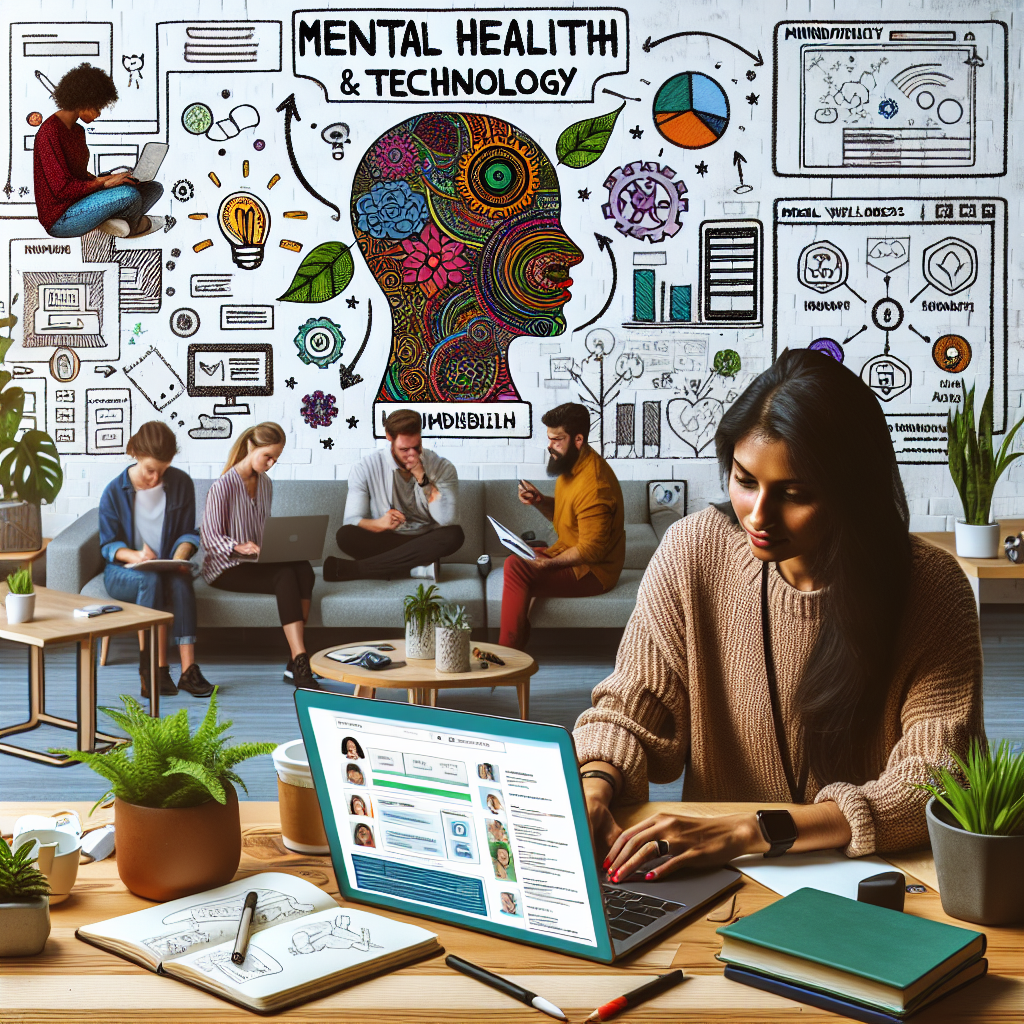
The World Health Organization (WHO) has launched a new implementation guide designed to help governments, health services, humanitarian organizations, and community groups expand access to evidence-based psychological self-help interventions.
The guide, titled Psychological Self-Help Interventions: Delivering Self-Help for Individuals, Featuring Step-by-Step and Doing What Matters in Times of Stress, provides practical advice on how countries and organizations can plan, adapt, implement, and scale mental health self-help programmes in a variety of settings. The initiative comes as mental health challenges continue to affect more than one billion people globally, placing increasing pressure on healthcare systems and highlighting significant gaps in access to treatment and support.
According to WHO, many people living with mental health conditions remain unable to access effective care due to shortages of mental health professionals, financial barriers, geographical limitations, and the growing demand for services. The new guide seeks to address these challenges by promoting structured self-help interventions that can be delivered with minimal resources while maintaining strong evidence-based foundations.
Growing Need for Accessible Mental Health Support
Mental health disorders are among the leading causes of disability worldwide, affecting people of all ages, backgrounds, and regions. Conditions such as depression, anxiety disorders, stress-related illnesses, and substance use disorders have become increasingly common, particularly following global events such as the COVID-19 pandemic, economic uncertainty, conflicts, natural disasters, and humanitarian crises. Despite the growing need for support, access to mental health services remains limited in many countries.
WHO estimates that large numbers of people experiencing mental health difficulties never receive professional treatment, particularly in low- and middle-income countries where mental health resources are often scarce. The shortage of psychiatrists, psychologists, and mental health specialists has made it difficult for traditional service models alone to meet rising demand.
As a result, international health experts have increasingly focused on innovative approaches that can reach more people while reducing pressure on healthcare systems. Psychological self-help interventions have emerged as one promising solution.
What Are Psychological Self-Help Interventions?
Psychological self-help interventions are structured programmes that teach individuals practical techniques for managing emotional distress, improving coping skills, and supporting mental wellbeing. Unlike traditional therapy, self-help approaches are designed to be used independently or with limited guidance from trained helpers rather than mental health specialists.
These interventions often involve evidence-based strategies drawn from established psychological therapies and are presented through written materials, digital applications, online platforms, audio resources, or guided exercises.
WHO says self-help interventions can be delivered in community settings, healthcare environments, humanitarian programmes, and digital platforms, allowing support to reach people who may otherwise have limited access to care. Many self-help approaches require relatively few human resources, making them particularly suitable for large-scale implementation. The organization believes these interventions can play a valuable role in expanding mental health support while complementing existing clinical services.
Evidence Supports Effectiveness
Research conducted over many years has demonstrated that psychological self-help interventions can be highly effective, particularly in addressing common mental health conditions such as depression and anxiety.
According to WHO, evidence shows that self-help approaches can significantly reduce symptoms and improve emotional well-being when delivered appropriately. Because of this growing body of evidence, self-help interventions have already been incorporated into WHO guidelines for several mental health, brain health, and substance use conditions. The organization notes that these approaches are especially valuable because they can be delivered remotely and at scale. This capability makes them particularly useful in settings where access to specialist services is limited or where large populations require support simultaneously.
For example, self-help interventions can be deployed during humanitarian emergencies, public health crises, displacement situations, and natural disasters, where conventional mental health services may be difficult to access. WHO believes expanding access to such interventions could help narrow the global treatment gap and ensure more people receive support when they need it.
Practical Guidance for Programme Implementation
One of the primary goals of the new guide is to provide practical assistance to those responsible for implementing mental health programmes.
The resource is specifically aimed at programme managers, policymakers, supervisors, frontline workers, humanitarian responders, and community organizations.
Rather than focusing solely on theory, the guide offers detailed, step-by-step instructions for establishing and managing psychological self-help programmes in real-world settings.
It outlines key considerations for planning services, adapting interventions to local contexts, training personnel, monitoring quality, and ensuring safe delivery.
The guide also includes a range of practical tools, scripts, templates, and implementation resources intended to support consistent and effective programme delivery.
By providing concrete guidance, WHO hopes to make it easier for organizations to introduce self-help interventions and integrate them into existing health and community support systems.
Guided and Unguided Self-Help Models
A significant focus of the guide is the distinction between guided and unguided self-help approaches.
Unguided self-help allows individuals to work through intervention materials independently, without regular support from another person. Guided self-help, on the other hand, combines self-directed learning with brief support from a trained and supervised helper.
This support is often delivered by non-specialist workers rather than mental health professionals and may involve short check-ins, encouragement, problem-solving assistance, and monitoring of progress.
According to WHO, guided self-help can be delivered during existing appointments or through dedicated sessions provided by trained community workers or support personnel. The guide provides detailed instructions for implementing both models and explains how organizations can determine which approach best suits their circumstances and available resources.
Integrating Self-Help into Existing Services
WHO emphasises that self-help interventions should not operate in isolation but should be integrated into broader health and community support systems. The guide outlines strategies for incorporating self-help programmes into primary healthcare services, community mental health initiatives, humanitarian operations, educational settings, and digital health platforms.
Integration can improve accessibility, enhance continuity of care, and ensure individuals can access additional support if their needs become more complex.
The organization believes embedding self-help interventions within existing services can strengthen overall mental health systems while making support available to larger populations.
This approach also allows countries to maximize the impact of limited mental health resources.
Spotlight on Two WHO Interventions
The guide provides detailed information about implementing two specific WHO-developed interventions that have undergone rigorous scientific evaluation.
The first is Step-by-Step, a digital intervention designed to support adults experiencing depression.
The programme uses evidence-based psychological techniques delivered through a digital platform, making it accessible to large numbers of people.
The second intervention is Doing What Matters in Times of Stress, a stress management programme based on Acceptance and Commitment Therapy (ACT), a widely recognised psychological approach that helps individuals manage difficult thoughts and emotions while focusing on meaningful actions.
Both interventions have been tested through randomized controlled trials and have demonstrated positive outcomes.
In the studies, participants received approximately 15 minutes of support each week for five weeks from trained and supervised non-specialist helpers.
The results showed that even brief support combined with structured self-help materials could produce meaningful improvements in mental health outcomes.
Successful Implementation Already Underway
WHO highlighted examples of successful large-scale implementation already taking place.
Digital versions of its self-help interventions have been integrated into national mental health services in countries such as Lebanon and Thailand.
These programmes demonstrate how evidence-based self-help tools can be delivered safely, effectively, and at scale within existing health systems.
The experiences gained from these initiatives have helped inform the development of the new implementation guide and provide valuable lessons for other countries considering similar approaches.
WHO says these examples show that self-help interventions can complement traditional mental health services while expanding access to support for underserved populations.
Supporting Global Mental Health Goals
The launch of the new guide forms part of WHO's broader effort to strengthen community-based mental health care and improve access to evidence-based interventions worldwide. As demand for mental health services continues to rise, international health organizations are increasingly recognising the need for scalable, cost-effective solutions that can reach people where they live.
By providing practical implementation guidance and promoting proven self-help approaches, WHO hopes to empower countries and organizations to expand access to mental health support and reduce the global treatment gap.
The new resource adds to WHO's growing suite of mental health tools and reflects the organization's commitment to ensuring that effective psychological support is accessible to all, regardless of location, income, or available healthcare resources.
As governments and health systems seek innovative ways to address rising mental health needs, psychological self-help interventions are expected to play an increasingly important role in building more accessible, resilient, and inclusive mental health services around the world.
ALSO READ
-
Netherlands and WHO Strengthen Health Partnership as Crises Put Care Under Pressure
-
Longer Lives, Unequal Care: UN Report Exposes Gaps in Support for Older People Globally
-
Kazakhstan Connects Over 200 Health Workers With Global Clinical Research Experts
-
Higher Tobacco Taxes Cut Smoking and Show How Health Levies Can Change Daily Lives
-
Better Heat Planning Can Protect Crowds and Ease Pressure on Hospitals, WHO Says


 Google News