

WHO Breast Cancer Manual Gives Countries a Practical Path to Earlier Diagnosis and Care
The World Health Organization has published the Global Breast Cancer Initiative (GBCI) Training Manual – a package for programme managers to help countries build those connections.
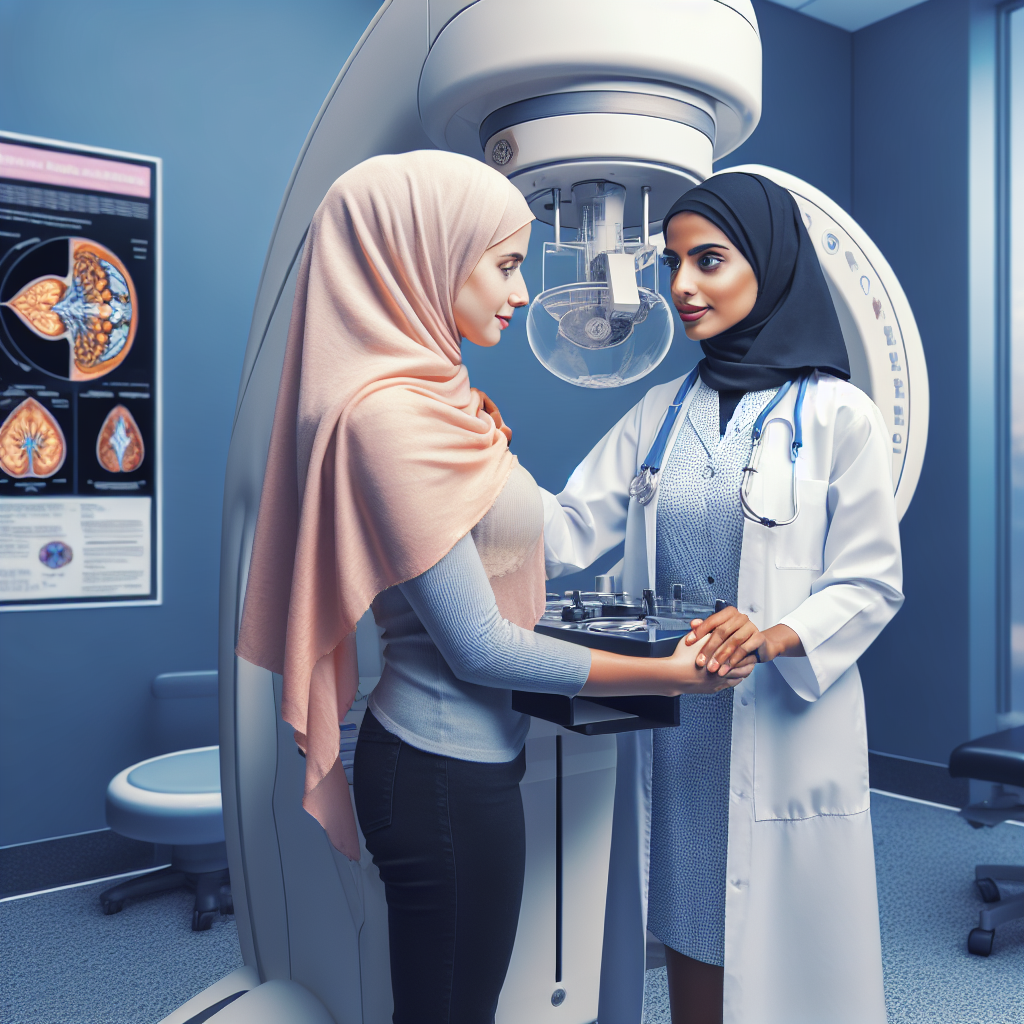
Finding breast cancer early can make treatment more effective, easier to tolerate and less costly. Getting people to that point takes a health system that can connect early detection with diagnosis and care, supported by staff who know how to organise those services.
The World Health Organization has published the Global Breast Cancer Initiative (GBCI) Training Manual – a package for programme managers to help countries build those connections. It gives people responsible for breast cancer programmes practical guidance for setting up services or strengthening what already exists.
Turning global guidance into everyday care
The manual builds on the WHO Global Breast Cancer Initiative implementation framework, translating its recommendations into steps that countries can adapt to their own circumstances. Its guidance supports work at national and subnational levels, as well as in individual health facilities, where programme decisions become part of a patient's experience.
Designed to strengthen the skills of programme managers, health-care professionals and implementing partners, the package covers the full course of breast cancer care: prevention, early detection, diagnosis and management.
Technical modules also address health products and technologies, care delivered by multidisciplinary teams and patient navigation. Bringing these areas together recognises that a person's care depends on several services working together, from the first assessment through diagnosis and treatment.
Patient navigation adds an important human element to that process, helping people find their way through services that can feel unfamiliar and difficult to manage.
Early diagnosis sits at the centre of the effort
The manual calls on every country to prioritise early detection so that at least 60% of new breast cancers are diagnosed at an early stage. This is when treatment intended to cure the disease is most effective, best tolerated and least costly, according to WHO's announcement.
That target gives programme managers a clear priority, with early detection linked to the services people need after a possible cancer is found. An early warning needs to lead to a timely diagnosis, followed by comprehensive management.
These are the GBCI framework's three operational pillars: early detection, timely diagnosis and comprehensive management. The training package supports implementation across all three, helping teams strengthen the whole course of care rather than treating each step as a separate task.
For patients, the value of that approach rests in being able to move from one stage to the next with appropriate support and fewer gaps between services.
Countries begin adapting the training to local needs
Several countries have already expressed interest in using the manual. GBCI is working with partners in Ethiopia, Eswatini and the Philippines to adapt the materials to local circumstances and incorporate them into existing national training programmes.
That adaptation is central to putting the guidance into practice. Programme managers need approaches that fit the services, staff and resources available in their own settings, with training that helps teams address the challenges they encounter in daily work.
By building the material into established training programmes, countries can bring breast cancer guidance into the systems already used to develop their health workforce. The next step is turning that learning into services that help more people receive an early diagnosis and the care that follows.


 Google News