



Small Ideas, Big Impact: The Power of Creativity in Making a Difference
The blog explores the power of small ideas and their potential to make a big impact. The author provides examples of small ideas that have made a significant difference, such as the One Laptop per Child program, the Citi Bike program, and the Me Too movement. The author also highlights the scalability and collaborative potential of small ideas, as well as their positive impact on personal lives, such as with the Five-Minute Journal and the Headspace app. The blog concludes by encouraging readers to pursue their small ideas and recognize their potential to change the world.
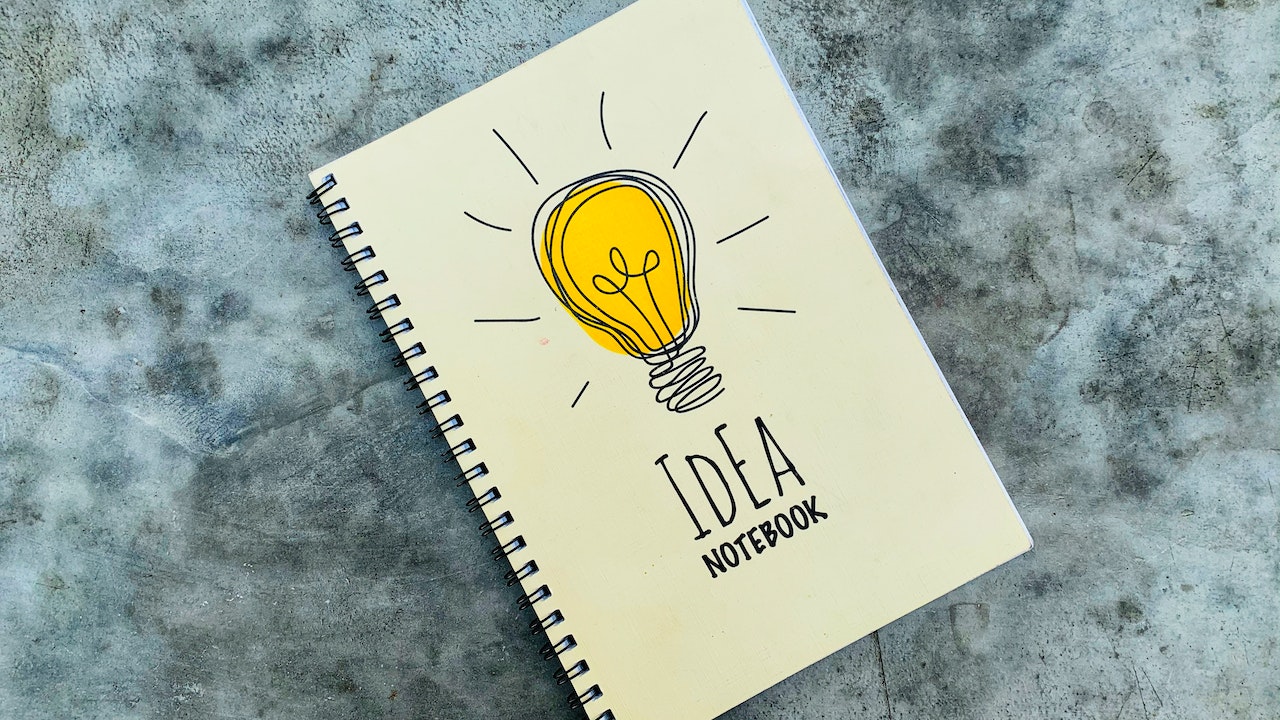
In today's fast-paced world, it is easy to get lost in the never-ending stream of big ideas and grand plans. We often think that only the grandiose and revolutionary ideas can change the world, but the truth is that even small ideas can make a big impact.
The power of small ideas lies in their simplicity and accessibility. They are easy to implement and can reach a large audience with minimal resources. These ideas often originate from everyday problems and inconveniences that we face in our daily lives. They are not born in a boardroom or a laboratory, but rather in the minds of ordinary people who are willing to think creatively.
One such example of a small idea that made a big impact is the "One Laptop per Child" program. The program was initiated in 2005 with the goal of providing low-cost laptops to children in developing countries. The idea was simple yet revolutionary – to bridge the digital divide and provide access to education to children who would otherwise be left behind.
The program started with a small group of researchers from the MIT Media Lab who developed the first prototype of the laptop. They worked with manufacturers to produce low-cost laptops and partnered with governments and non-profits to distribute them to children in developing countries. Today, the program has reached millions of children in over 40 countries and has transformed their lives by giving them access to education and technology.
Another example of a small idea that made a big impact is the "Citi Bike" program in New York City. The program was initiated in 2013 with the goal of providing a sustainable and affordable transportation option to New Yorkers. The idea was simple yet innovative – to introduce a bike-sharing program that would allow people to rent bikes for short periods of time and return them to designated stations around the city.
The program started with a small group of city officials who worked with bike-sharing companies to design a system that would work for New York City. They partnered with sponsors to fund the program and set up stations around the city. Today, the program has over 12,000 bikes and has transformed the way people commute in the city. It has reduced traffic congestion, improved air quality, and provided an affordable and healthy transportation option to millions of New Yorkers.
Small ideas are not only effective in solving practical problems, but they can also address complex social issues. The "Me Too" movement is a perfect example of how a small idea can spark a global conversation and bring about social change. The movement was initiated in 2006 by activist Tarana Burke with the goal of raising awareness about sexual assault and harassment. It gained widespread attention in 2017 when actress Alyssa Milano tweeted about it and encouraged women to share their experiences using the hashtag #MeToo.
The idea was simple yet powerful – to give a voice to survivors of sexual assault and harassment and to hold perpetrators accountable for their actions. The movement has since spread across the globe and has led to a cultural shift in the way we talk about sexual assault and harassment. It has empowered survivors to speak out, has raised awareness about the prevalence of these issues, and has forced institutions to take action to prevent them.
The power of small ideas lies not only in their simplicity but also in their potential for scalability. Many small ideas have the potential to scale up and have a significant impact on a larger scale. For example, the "Fair Trade" movement started as a small idea to provide a fair wage to coffee farmers in developing countries. Today, it has grown into a global movement that has transformed the way we think about ethical consumerism and fair trade practices.
Small ideas also have the potential to inspire others and create a ripple effect of change. When we see the impact of a small idea, it can inspire us to think creatively and come up with our own solutions to problems. It can also motivate us to collaborate with others and work towards a common goal. This collaborative effort can lead to even greater impact and change.
The power of small ideas is not limited to the social and environmental impact they can have. Small ideas can also have a positive impact on our personal lives. For example, the "Five-Minute Journal" is a small idea that has become popular in the self-improvement community. The journal encourages people to write down three things they are grateful for and three things they want to accomplish each day. The idea is simple yet effective – to cultivate a positive mindset and focus on the things that matter most.
Small ideas can also have a big impact on our mental health. The "Headspace" app is a small idea that has become popular in the mindfulness community. The app provides guided meditations and mindfulness exercises that help people reduce stress and anxiety. The idea is simple yet transformative – to provide a convenient and accessible way for people to prioritize their mental health.
In conclusion, the power of small ideas lies in their simplicity, accessibility, scalability, and potential for collaboration. Small ideas can solve practical problems, address complex social issues, and have a positive impact on our personal lives. They can inspire us to think creatively, collaborate with others, and work towards a common goal. The next time you have a small idea, don't underestimate its potential to make a big impact. Remember, small ideas can change the world.


 Google News