

Government Orders Private Inquiry into Disappearance of Phillips Children
Collins emphasised that the Inquiry is intended to establish a clear factual record and assess whether any systemic issues prevented timely action or resolution.
- Country:
- New Zealand
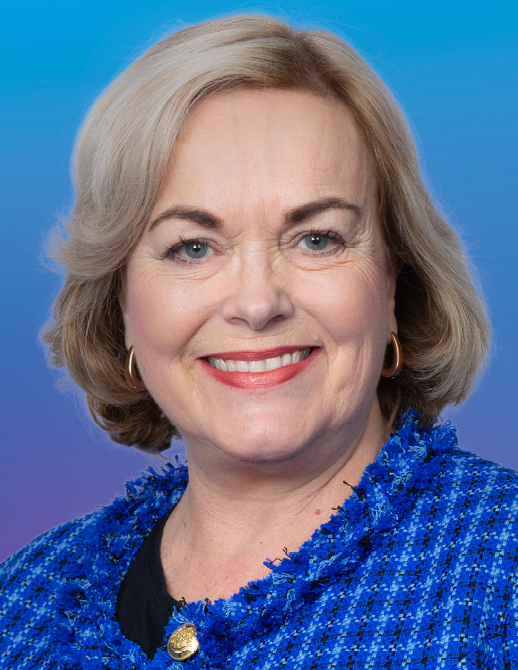
Attorney-General Judith Collins has announced the establishment of a Public Inquiry into the disappearance of the Phillips children—an incident that captured New Zealand's attention and raised ongoing concerns about child protection practices across government agencies. Despite being classified as a Public Inquiry, the process will be conducted entirely in private, reflecting the extreme vulnerability of the children and the need to safeguard their welfare.
Collins said the Inquiry's core purpose is to examine whether government agencies took all practicable steps to protect the safety and wellbeing of the children, who were missing for nearly four years before being located. "The decision to establish a Public Inquiry reflects the significant public interest and concern for the children's welfare over the almost four years they were missing," she said.
Determining Whether Agencies Acted Adequately
The Phillips case raised complex questions about inter-agency coordination, risk assessment, and early intervention. Collins emphasised that the Inquiry is intended to establish a clear factual record and assess whether any systemic issues prevented timely action or resolution.
"It is important that we establish the facts and determine whether agencies could take steps to prevent or resolve similar situations more quickly and effectively in the future," she said.
The Terms of Reference were carefully designed to balance two competing imperatives: the public's legitimate interest in understanding how the situation unfolded, and the children's right to privacy, safety, and long-term wellbeing.
Inquiry Will Proceed Privately for Child Protection Reasons
Although formally a Public Inquiry under New Zealand law, all hearings and investigative processes will occur behind closed doors. There will be no public hearings, no media attendance, and no disclosure of sensitive evidence during the process. This structure is intended to prevent further harm or trauma to the children, who have faced unprecedented scrutiny.
The Inquiry will also respect the independence of the judiciary, and will not review or make any findings about judicial decisions that occurred during the period the children were missing. Its focus will remain solely on the actions and responsibilities of government agencies and officials.
Led by Experienced High Court Judge
The Government has appointed the Honourable Justice Simon Moore KC as the sole member of the Inquiry. Moore brings extensive judicial, administrative, and governance experience to the role.
He previously served 11 years as a High Court Judge, including six years as the Executive Judge for Auckland, where he frequently oversaw complex criminal, civil, and procedural matters. Following his retirement from the High Court in 2024, Moore was appointed Chair of the Electoral Commission Board, a position that further demonstrated his capabilities in high-level oversight and public accountability.
His leadership is expected to bring both legal rigor and sensitivity to a matter involving deeply personal and troubling circumstances.
Final Report Due Mid-2026
The Inquiry will produce a final report with recommendations by 21 July 2026. These recommendations may shape future policy changes across policing, child protection, inter-agency communication, and emergency response.
Collins noted that while the process must remain private, the final recommendations will inform broader public debate on child welfare and the responsibilities of government institutions in safeguarding vulnerable children.


 Google News