

Govt Moves to Build LNG Import Facility to Cut Power Price Spikes
“New Zealand is experiencing a renewable electricity boom, but a rapidly declining gas supply has left our electricity sector exposed during dry years, when our hydro lakes run low,” Mr Watts said.
- Country:
- New Zealand
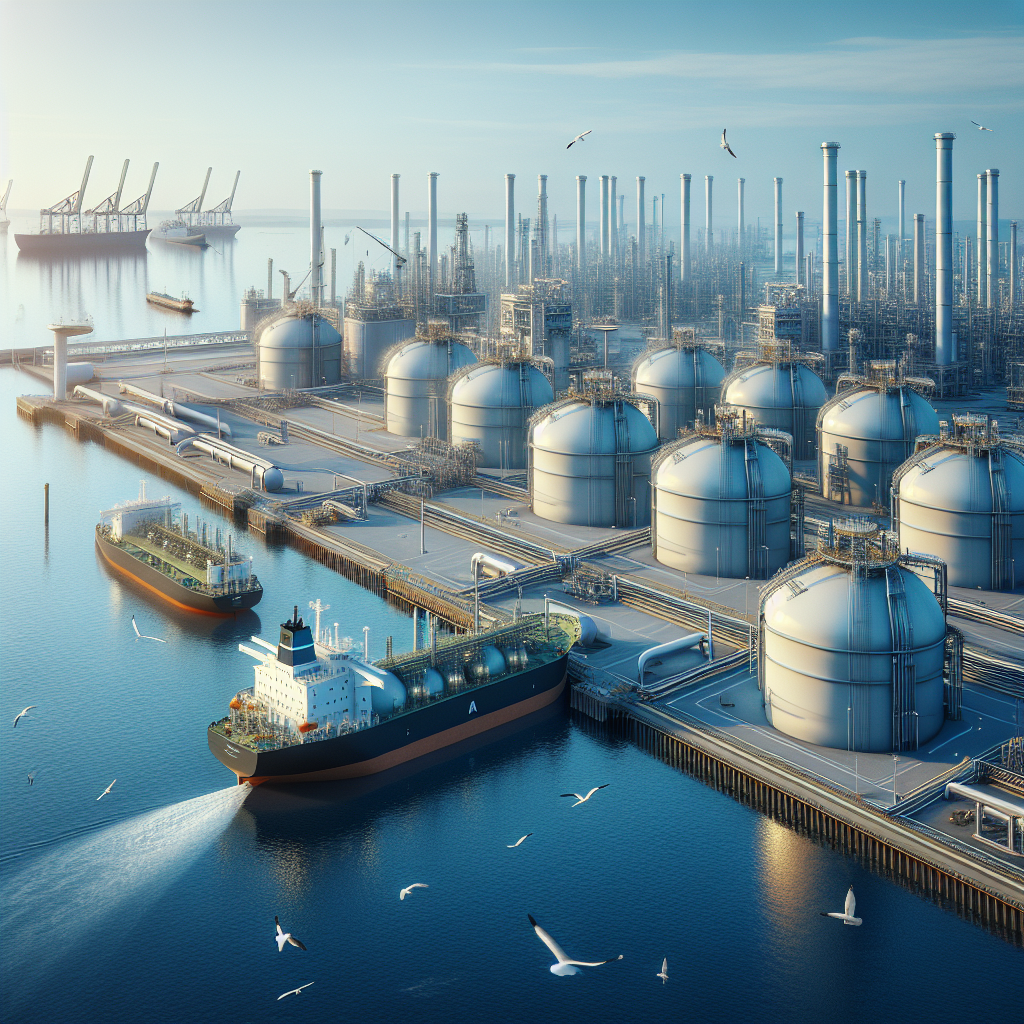
The Government will contract to build a liquefied natural gas (LNG) import facility in a major step to strengthen New Zealand's energy security, stabilise electricity prices, and support long-term economic growth, Energy Minister Simon Watts announced today.
The decision follows extensive analysis and completion of the first stage of procurement, with leading proposals now shortlisted as the project advances toward commercial contracting.
"New Zealand is experiencing a renewable electricity boom, but a rapidly declining gas supply has left our electricity sector exposed during dry years, when our hydro lakes run low," Mr Watts said.
"The result is greater reliance on coal and diesel, and ultimately higher electricity prices, putting more financial pressure on families and making businesses less competitive."
Addressing Dry-Year Risk and Declining Domestic Gas Supply
While renewable generation continues to expand, New Zealand's electricity system remains vulnerable during periods of low hydro storage. With domestic gas production declining, backup options have narrowed, increasing the risk of:
-
Price spikes during winter and dry years
-
Higher reliance on coal- and diesel-fired generation
-
Reduced competitiveness for energy-intensive industries
-
Rising costs for households
The LNG facility is intended to provide a secure alternative supply option when domestic gas is tight or hydro conditions are poor.
Economic Cost of Higher Energy Prices Already Significant
Independent analysis by Sense Partners found that elevated energy prices have already had a major impact on the economy, contributing to a $5.2 billion loss in GDP in 2025.
"For Kiwis that means fewer jobs, lower wages and a slower recovery as New Zealand emerges from a challenging period of high inflation and high interest rates," Mr Watts said.
Government Says LNG Backup Could Save Households $50 a Year
The LNG import facility will act as a reliable backup fuel source, reducing dry-year pricing shocks and lowering the risk premium currently built into power bills.
"Just having a reliable back up is expected to save Kiwis around $265 million per annum by reducing price spikes and lowering the risk premium… equivalent to around $50 per annum per household," Mr Watts said.
Long-Term Value: $1.2 Billion a Year by 2035
Looking ahead, the Government estimates LNG access could deliver substantial economic protection if domestic gas supply continues to decline.
"If domestic gas supply continues to decline and drive-up gas prices, the availability of LNG is estimated to be worth $1.2 billion per annum to the New Zealand economy by 2035," Mr Watts said.
The availability of LNG is also expected to help protect approximately 2,000 jobs from the impacts of gas shortages and rising energy costs.
Taranaki Location to Support Jobs and Regional Growth
The facility is planned for Taranaki, reinforcing the region's central role in New Zealand's energy system.
"Located in the Taranaki, the project will create jobs during construction and provide long-term skilled roles once operational," Mr Watts said.
Timeline: Contract by Mid-2026, Facility Operating by 2027–28
The Government is now progressing from procurement to contracting, with the aim of signing a commercial agreement by mid-2026.
The facility could be operational as soon as 2027 or early 2028.
Import Model Designed to Minimise Exposure to Global Prices
The Government says the LNG model will be structured to import gas in large shipments only when needed, helping to:
-
Reduce exposure to international gas price volatility
-
Maintain affordability for consumers
-
Provide flexibility for emerging low-emissions technologies
Access to LNG will also help gas-dependent industries plan their future investments with greater certainty.
Next Steps
Further details on procurement milestones and project design will be released in the coming months as contracting progresses.
"Establishing an LNG import facility is an important next step," Mr Watts said, as the Government continues its plan to improve energy affordability, resilience, and supply security.


 Google News