

SA, Egypt Unite Women Experts to Strengthen Water Cooperation
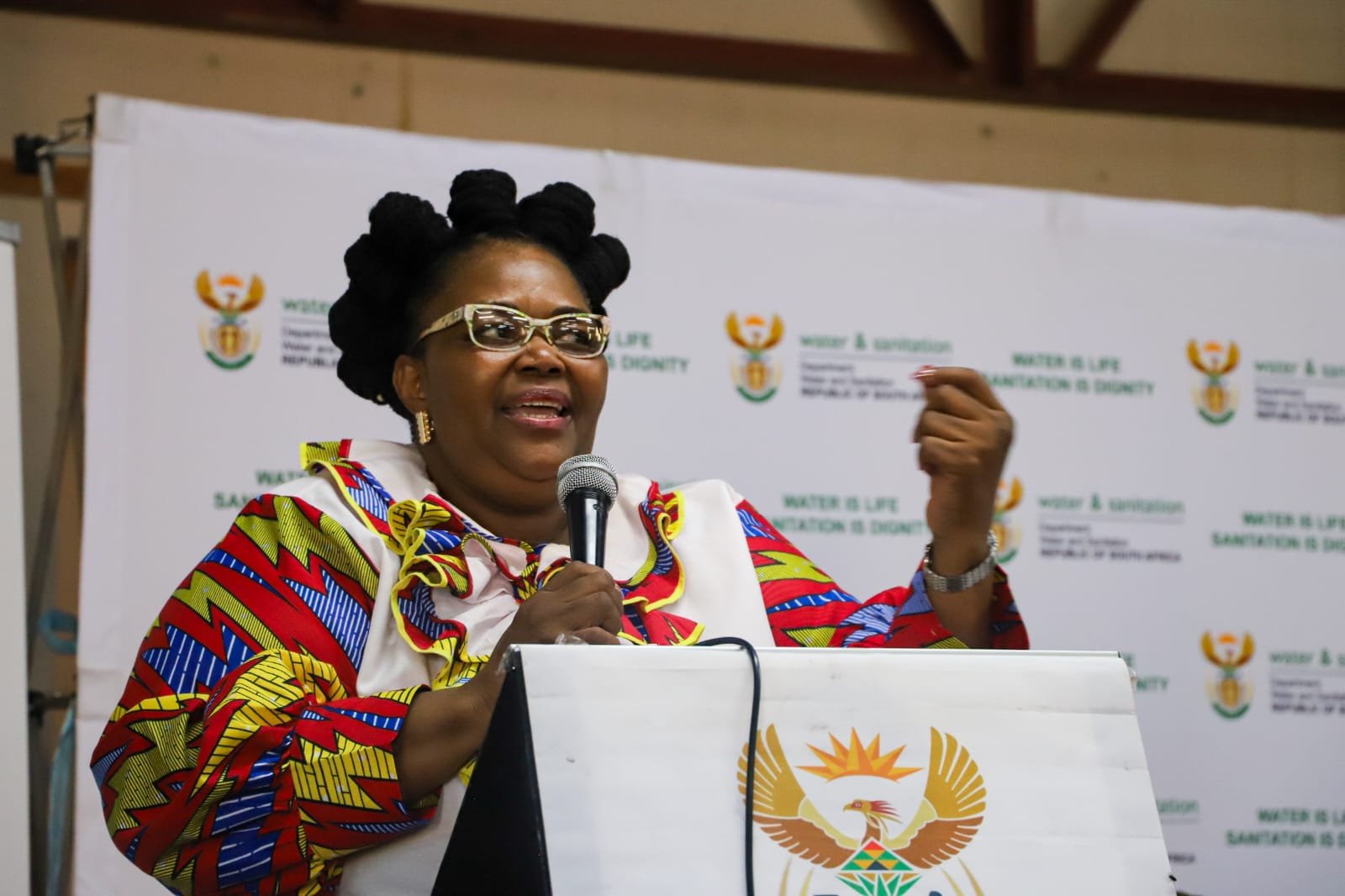
Addressing participants, Minister Pemmy Majodina stressed the critical role women play in promoting dialogue, building trust and shaping sustainable water cooperation frameworks.
- Country:
- South Africa
South Africa and Egypt have brought together women professionals from the water sector to advance transboundary water cooperation and sustainable water governance, highlighting the growing role of women in addressing global water challenges.
South Africa's Minister of Water and Sanitation, Pemmy Majodina, and Egypt's Minister of Water Resources and Irrigation, Hani Sewilam, co-hosted a high-level webinar on Transboundary Water Cooperation under the theme "Water for People." The virtual event convened experts, policymakers and professionals from both countries to discuss collaborative approaches to managing shared water resources.
The event was held during South Africa's National Water Month, which coincides with the observance of International Women's Day and Human Rights Day, placing a special focus on women's leadership and inclusive water governance.
Women at the Centre of Water Diplomacy
Addressing participants, Minister Pemmy Majodina stressed the critical role women play in promoting dialogue, building trust and shaping sustainable water cooperation frameworks.
"This webinar seeks to highlight the essential role of women in fostering dialogue, building trust, and shaping collaborative frameworks for sustainable water management and peace," Majodina said.
She praised women professionals working across the water sector for their leadership and contributions to ensuring communities have access to reliable water services.
"We commend the women who are already trailblazers in their respective spaces and the impeccable leadership we possess across the board, who advance the needs of our communities in ensuring we deliver water to all," she added.
Majodina emphasized the importance of amplifying women's voices and recognising their technical expertise in water governance and policy-making.
Water Decisions Shape Economies and Lives
The Minister highlighted that decisions made within the water sector have far-reaching impacts on economies, policies and livelihoods worldwide.
"The decisions we make and the ideas we generate in these engagements have the power to shape economies, influence policies and improve lives around the planet," she said.
She urged professionals to continuously evaluate how their work contributes to ensuring equitable access to water and sanitation for communities.
"With each and every intervention, we must ask what impact we have made to ensure 'Water for People' and how we are supporting young engineers and scientists so that we can achieve water security and ensure that no one is left behind," Majodina noted.
Transboundary Water Systems Require Cooperation
Egypt's Minister Hani Sewilam highlighted that both South Africa and Egypt depend on transboundary water systems, making cooperation, technical dialogue and sustained diplomacy critical for effective water management.
"When women are fully engaged in water governance and transboundary cooperation, agreements become more sustainable, institutions become more representative and communities become more resilient," Sewilam said.
He stressed that empowering women in water governance is essential for building more inclusive and effective institutions.
Enabling Women's Leadership in the Water Sector
Marking International Women's Day, Sewilam called for stronger efforts to create enabling environments that allow women to take leadership roles in the water sector.
"As we celebrate International Women's Day, we must also renew our commitment to creating enabling environments for women's leadership through education, mentorship, capacity building and equal access to decision-making positions across the water sector," he said.
Experts noted that increasing women's participation in water governance can improve community engagement, policy effectiveness and sustainable resource management.
Knowledge Exchange and Innovation in Water Management
The webinar featured presentations focusing on:
-
Sustainable development through water cooperation
-
Strengthening cross-border water governance
-
Improving access to water for marginalised and vulnerable communities
Participants also shared innovative water management strategies, demonstrating how international cooperation and knowledge exchange can help address water scarcity, climate challenges and growing demand for water resources.
Experts emphasized that collaborative platforms such as this webinar can strengthen technical partnerships, policy dialogue and capacity building, ultimately contributing to more resilient water systems.
Advancing Global Water Security
The discussions underscored that transboundary water cooperation is becoming increasingly important as climate change, population growth and economic development place greater pressure on shared water resources.
By bringing together women leaders and experts from two major water-stressed regions, the initiative aims to promote inclusive governance, sustainable water management and stronger international partnerships.
The event concluded with participants reaffirming their commitment to strengthening collaboration, empowering women professionals and advancing the shared goal of "Water for People."


 Google News