

Viktor Orban: Navigating Contested Waters in Hungarian Politics
Hungarian Prime Minister Viktor Orban faces a closely contested election after four major victories. During his tenure, Orban has been critiqued for policies affecting democratic norms, media freedom, and LGBTQ rights. This overview explores his administration's policies, including efforts to consolidate power, media influence, and international relations.
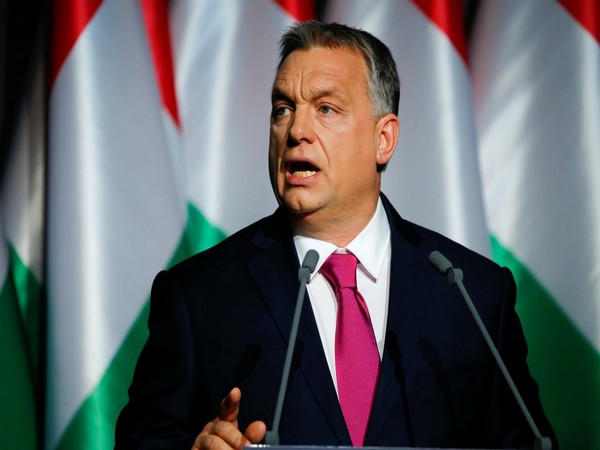
- Country:
- Hungary
Viktor Orban and his Fidesz party are facing a tightly contested election on April 12, a significant shift after dominating Hungarian politics with landslide wins since 2010. During Orban's tenure, his administration has repeatedly faced international scrutiny for policies seen as hindering democracy, freedom, and LGBTQ rights.
Critics allege that changes to the constitution and electoral rules have consolidated Fidesz's hold on power. Orban's governance style, often through decrees under a state of emergency, has raised concerns about judicial independence and academic freedom, leading key organizations to relocate from Hungary.
Orban's policies favoring large parties alongside stricter media controls have led to accusations of curbing press freedom. His government favours Eastern ties, with investments from Russia and China. As he navigates complex international relations, Orban continues to influence Hungary's national economy, media, and cultural identity.


 Google News