

SA Hosts Global Climate Adaptation Dialogue with Kenya, Ghana and Netherlands
The central focus of the dialogue is addressing a persistent global challenge: bridging the gap between climate adaptation planning and on-ground implementation.
- Country:
- South Africa
In a significant step toward strengthening global climate resilience, the Government of South Africa is hosting representatives from Kenya, Ghana, and the Netherlands for a high-level peer learning event on climate change adaptation, aimed at translating national plans into actionable outcomes.
The three-day event, held from Tuesday to Thursday, is co-hosted by the National Adaptation Plan (NAP) Global Network, bringing together policymakers, technical experts, and development partners to share best practices and accelerate climate adaptation efforts.
Moving from Planning to Action
The central focus of the dialogue is addressing a persistent global challenge: bridging the gap between climate adaptation planning and on-ground implementation.
Ambassador of the Netherlands to South Africa, Joanne Doornewaard, emphasized the importance of a holistic approach:
"Successful adaptation requires an integrated approach—from effective governance and institutional frameworks to stakeholder engagement and robust monitoring mechanisms that turn plans into reality."
Participants are exploring how countries can operationalize their National Adaptation Plans (NAPs) in a way that is inclusive, scalable, and results-driven.
Strengthening South Africa's Climate Strategy
South Africa's National Climate Change Adaptation Strategy (NCCAS)—aligned with its NAP—serves as a central framework guiding climate resilience efforts across sectors.
Tlou Ramaru, Chief Director for Climate Change Adaptation at the Department of Forestry, Fisheries and the Environment, highlighted its role:
"The NCCAS/NAP acts as a common reference point, guiding all levels of government and stakeholders in responding to climate variability and change."
The strategy integrates adaptation priorities across key sectors, ensuring coordinated action between government, private sector, and communities.
Peer Learning as a Catalyst for Progress
The event underscores the growing importance of peer learning in global climate governance, allowing countries to exchange insights on:
-
Policy implementation strategies
-
Institutional coordination models
-
Financing mechanisms for adaptation
-
Monitoring and evaluation frameworks
"We are here to listen and learn alongside our partners," Doornewaard noted, reflecting the collaborative spirit of the engagement.
Global Momentum Behind Adaptation Planning
The NAP process, established under the United Nations Framework Convention on Climate Change (UNFCCC) in 2010, has gained significant traction in recent years. The 2015 Paris Agreement further reinforced its importance, urging countries to develop and implement national adaptation strategies.
Today, nearly every country globally is engaged in NAP processes, signaling a collective shift toward long-term climate resilience planning.
Dr Orville Grey, Head of Secretariat for the NAP Global Network, highlighted the growing momentum:
"We are seeing more momentum on national adaptation planning than ever before. This event aims to strengthen the enablers needed for effective action."
Netherlands–Africa Collaboration on Climate Resilience
The Netherlands, a global leader in climate adaptation and water management, has been actively collaborating with African nations on projects related to:
-
Water security and flood management
-
Climate-resilient agriculture
-
Urban resilience and infrastructure
The current engagement builds on these partnerships, aiming to co-develop practical solutions to shared climate challenges.
Scaling Knowledge Exchange
The NAP Global Network has played a pivotal role in facilitating such exchanges, having engaged over 1,000 adaptation planners from 84 countries in peer learning initiatives worldwide.
Funded by the Government of the Netherlands, the Johannesburg event represents a continuation of global efforts to scale knowledge-sharing and strengthen climate action frameworks.
A Critical Moment for Climate Adaptation
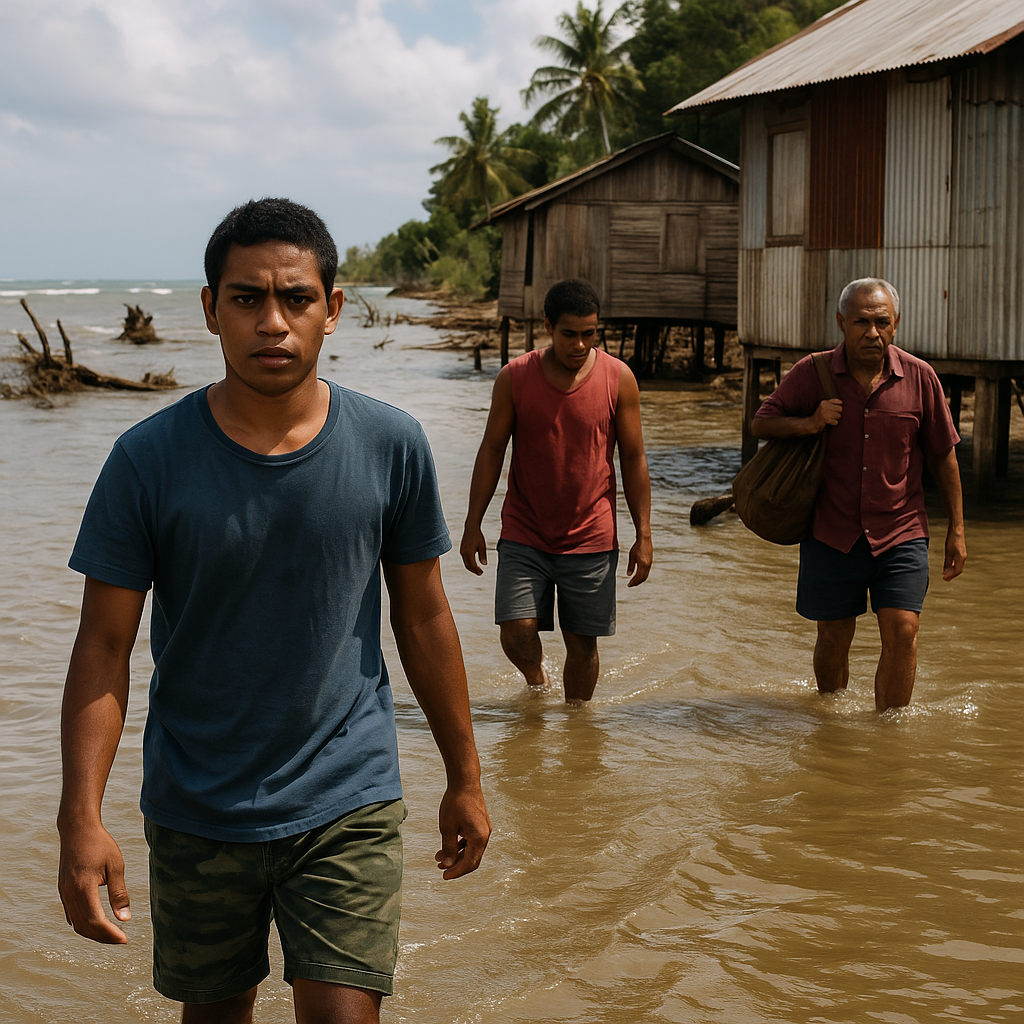
With climate impacts intensifying—from droughts and floods to extreme weather events—countries are under increasing pressure to move beyond planning toward implementation.
The Johannesburg dialogue reflects a broader recognition that adaptation is not just a policy exercise but a development imperative, requiring:
-
Strong governance systems
-
Adequate financing
-
Cross-sector collaboration
-
Continuous learning and innovation
Toward Resilient and Inclusive Futures
As nations work to safeguard communities, economies, and ecosystems, forums like this peer learning event are expected to play a critical role in accelerating adaptation action and building resilience at scale.
By fostering collaboration between Africa and global partners, South Africa's initiative highlights the importance of collective solutions in addressing one of the defining challenges of the 21st century.


 Google News