

UN Experts Alarmed Over Rising Attacks on NHRIs, Warning of Global Rule of Law Risks
“NHRIs that comply with the Paris Principles are a cornerstone of democratic systems,” the experts said.
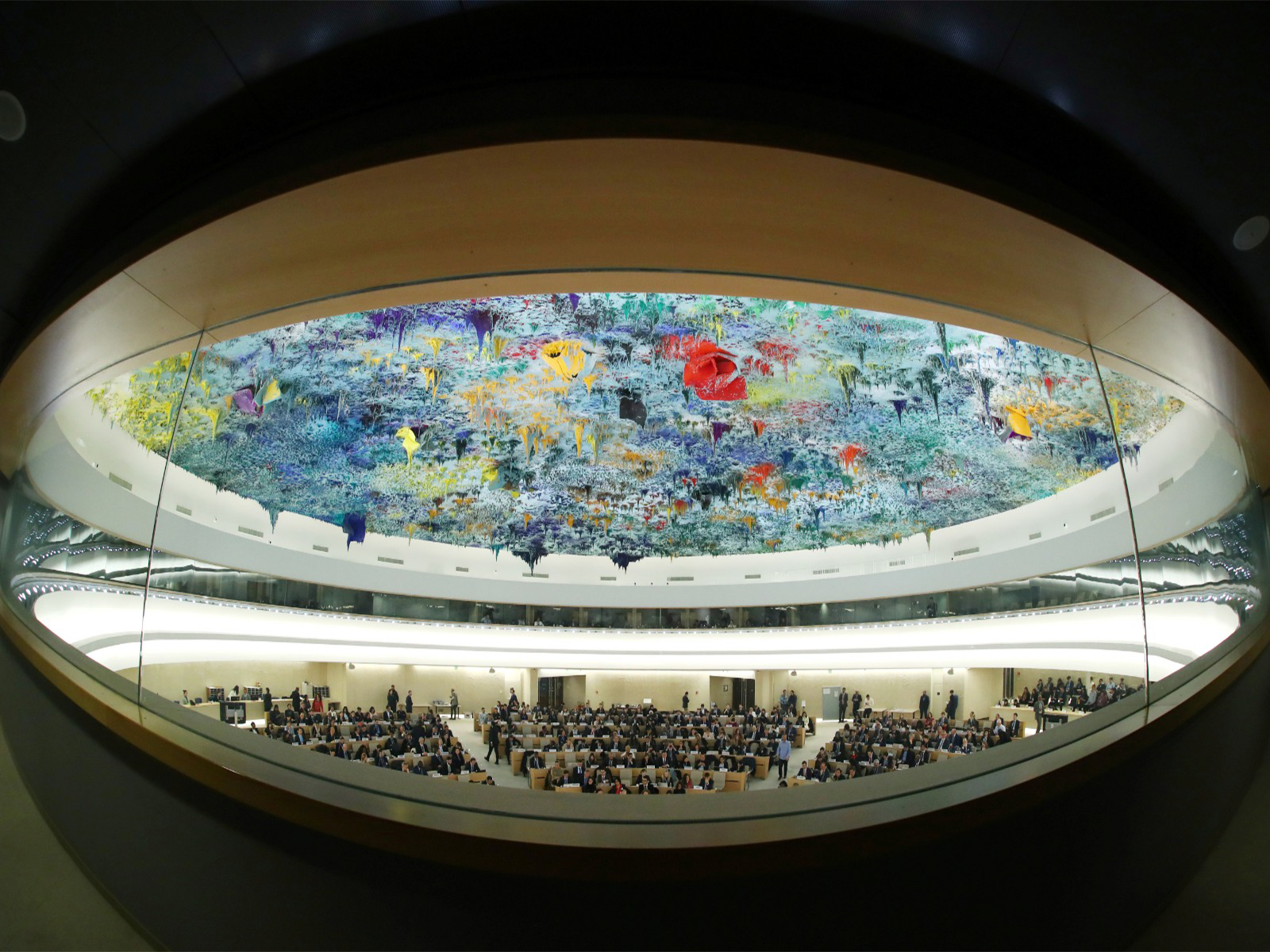
United Nations human rights experts have issued a stark warning over a growing wave of attacks targeting National Human Rights Institutions (NHRIs) worldwide, cautioning that escalating threats are undermining justice systems, weakening accountability, and eroding the rule of law.
In a strongly worded statement, the experts highlighted a surge in smear campaigns, threats, defamation, and both online and offline abuse directed at NHRI leaders, staff, and members—institutions tasked with safeguarding human rights at the national level.
"NHRIs that comply with the Paris Principles are a cornerstone of democratic systems," the experts said. "Yet those working within them are increasingly being targeted simply for carrying out their mandates."
Frontline Defenders Facing Escalating Risks
NHRIs play a critical role in investigating human rights violations, supporting victims, and engaging with international oversight bodies. However, this work often places them in direct confrontation with state authorities, political actors, or powerful non-state entities, exposing them to significant risks.
According to the experts, NHRI personnel are now facing similar levels of intimidation and reprisals as frontline human rights defenders, particularly when addressing politically sensitive issues or exposing abuses.
The threats are often compounded by gender-based targeting, with women human rights defenders and those working on gender equality and LGBTQ+ rights facing disproportionate levels of harassment and abuse.
New Data Confirms Worsening Global Trend
Findings from an upcoming report by the Global Alliance of National Human Rights Institutions (GANHRI) indicate that both the scale and sophistication of attacks are increasing.
Key concerns identified include:
-
Administrative pressure, such as budget cuts and bureaucratic interference
-
Restrictive legal frameworks that limit institutional independence
-
Judicial harassment, including arbitrary investigations and prosecutions
-
Physical threats and violence, in some cases escalating to direct attacks
-
Digital intimidation, including cyber harassment and coordinated online abuse
Alarmingly, the threats are not limited to individuals within institutions. Family members of NHRI staff are also being targeted, expanding the scope of intimidation and creating broader personal risks.
Shrinking Civic Space Fuels Pressure
The rise in attacks comes amid a broader global trend of shrinking civic space, with increasing restrictions on freedom of expression, growing hostility toward human rights advocacy, and political rhetoric that delegitimises oversight institutions.
Experts warn that such developments are not isolated incidents but part of a systemic pattern that threatens democratic governance.
"These attacks undermine national systems of checks and balances," the experts said. "They contribute directly to the erosion of the rule of law."
Impact on Justice and Accountability
The weakening of NHRIs has far-reaching consequences. As independent watchdogs, these institutions are often the first point of contact for victims of human rights violations. When their ability to operate is compromised, access to justice is diminished, and accountability mechanisms are weakened.
The experts stressed that attacks on NHRIs also reflect a broader pattern of reprisals against those who engage with international and regional human rights systems, raising concerns about global compliance with established legal norms.
States Urged to Act
Under international human rights law, governments are obligated to protect the independence and safety of institutions and individuals engaged in human rights work. This includes ensuring adequate funding, safeguarding operational autonomy, and preventing retaliation.
The UN experts called on states to take immediate and concrete action:
-
Guarantee the independence of NHRIs in line with the Paris Principles
-
Remove legal and structural barriers that hinder their work
-
Ensure accountability for threats, harassment, or violence
-
Provide adequate resources to enable effective operation
-
Create a safe and enabling environment for human rights defenders
"When NHRI staff are attacked, they must be afforded the same protections as other human rights defenders under international law," the experts emphasised.
A Critical Moment for Global Human Rights Systems
As pressures mount, the warning underscores a pivotal moment for global human rights governance. The ability of NHRIs to function independently and effectively is increasingly seen as a litmus test for the strength of democratic institutions.
Failure to address these threats, experts caution, risks not only weakening national oversight mechanisms but also undermining international efforts to uphold human rights standards.


 Google News