

KZN Premier Calls for Stronger ECD to Address Future Skills Gap
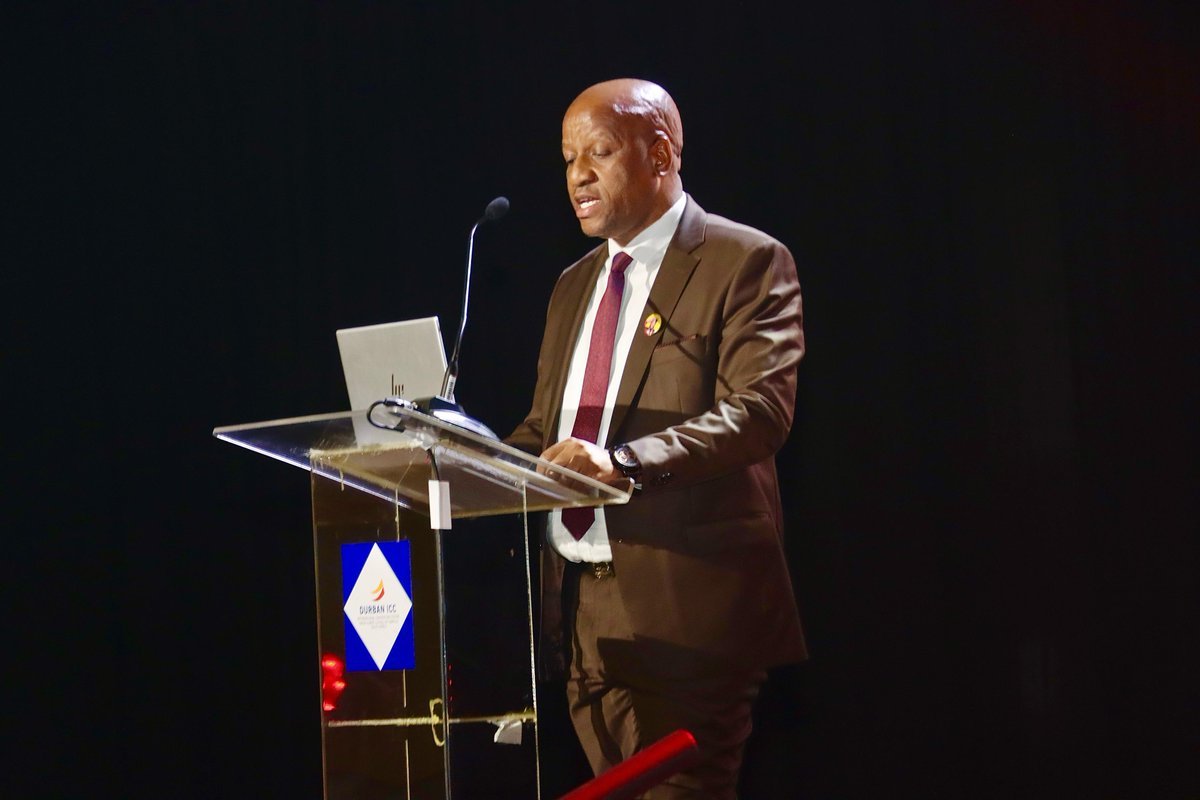
“The ECD Strategic Dialogue is aimed at addressing the skills mismatch at a foundation phase so that learners are armed with skills for the future by the time they reach tertiary level,” Ntuli said.
- Country:
- South Africa
KwaZulu-Natal Premier Thamsanqa Ntuli has emphasised the importance of early childhood development (ECD) as a critical strategy for tackling South Africa's growing skills mismatch and preparing young learners for meaningful participation in the future economy.
The Premier made the remarks during the Early Childhood Development Strategic Dialogue held at the Archie Gumede Conference Centre in Durban, where policymakers, education experts, civil society organisations, and sector stakeholders gathered to discuss the future of ECD in the province.
The dialogue focused on strengthening foundational learning systems and ensuring that children are equipped with the skills needed to adapt to a rapidly changing economic and technological environment.
Early Intervention Key to Addressing Skills Mismatch
In his opening address, Premier Ntuli stressed that interventions to address unemployment and skills shortages must begin at the earliest stages of education rather than waiting until learners reach tertiary institutions or enter the labour market.
"The ECD Strategic Dialogue is aimed at addressing the skills mismatch at a foundation phase so that learners are armed with skills for the future by the time they reach tertiary level," Ntuli said.
He noted that early childhood development plays a crucial role in building the cognitive, emotional, social, and practical foundations required for lifelong learning and economic participation.
According to the Premier, exposing children to relevant skills early in life can significantly improve long-term educational and employment outcomes.
ECD Seen as Foundation for Economic Participation
The dialogue highlighted the growing recognition that early learning systems are directly linked to broader economic development and workforce readiness.
Ntuli said children must be prepared not only academically but also with the skills and adaptability needed to thrive in an evolving economy increasingly shaped by technology, innovation, and changing labour market demands.
"It is important that we expose learners to skills that will help them to participate meaningfully in the economy," the Premier stated.
Education experts at the event noted that many countries are increasingly investing in ECD because research consistently shows that quality early learning improves future educational performance, employability, and social development.
Stakeholders Discuss Future of Early Learning
The strategic dialogue brought together a wide range of stakeholders involved in the education and development sector, including:
-
Government representatives
-
Education specialists
-
Civil society organisations
-
Development partners
-
ECD practitioners and advocates
Participants explored how early learning systems can be strengthened to better support:
-
Lifelong learning
-
Skills development
-
School readiness
-
Social inclusion
-
Economic participation
Discussions also focused on improving coordination between institutions responsible for supporting young children and families.
Need for Stronger Collaboration Emphasised
Premier Ntuli stressed that improving early childhood development outcomes requires stronger cooperation among all sectors of society.
He called for greater coordination between:
-
Government departments
-
Educators and schools
-
Parents and caregivers
-
Communities
-
Development organisations
-
Private sector partners
The Premier said ECD programmes must evolve to reflect the realities of a changing world and the emerging needs of future generations.
Officials at the dialogue highlighted that collaboration is essential to ensure that children receive holistic support during the most critical years of development.
Province Reaffirms Commitment to Investing in Children
The strategic dialogue reaffirmed the KwaZulu-Natal provincial government's commitment to investing in children from the earliest stages of life.
The province said it aims to ensure that every child is given a fair opportunity to:
-
Learn and develop
-
Access quality early education
-
Build foundational skills
-
Participate meaningfully in society and the economy
Officials said stronger investment in ECD is central to building a more inclusive and economically resilient province.
ECD Increasingly Recognised as National Priority
Across South Africa, early childhood development has become an increasingly important policy focus as government and education experts seek to improve literacy, numeracy, and long-term educational outcomes.
Research has shown that many educational inequalities emerge during the earliest years of childhood, making ECD interventions critical for improving future opportunities.
The sector also plays a significant role in:
-
Child nutrition and wellbeing
-
Social development
-
Cognitive growth
-
Reducing long-term poverty and inequality
Education stakeholders argue that strengthening ECD systems can help improve school completion rates, workforce readiness, and economic productivity over time.
Preparing Learners for a Changing Economy
The dialogue also reflected growing concern about the mismatch between current education outcomes and the skills increasingly required in modern economies.
Participants discussed the need to equip learners with competencies linked to:
-
Critical thinking
-
Creativity
-
Digital literacy
-
Communication skills
-
Problem-solving abilities
-
Adaptability and innovation
Officials noted that early exposure to learning opportunities can help children better navigate future economic and technological shifts.
Government Seeks Long-Term Human Capital Development
Premier Ntuli said investing in ECD is ultimately an investment in KwaZulu-Natal's long-term human capital and future prosperity.
He stressed that building strong educational foundations from an early age will be essential for creating a skilled, capable, and economically active generation in the years ahead.
The province said it will continue engaging stakeholders to strengthen ECD policies and programmes aimed at improving educational equity and developmental outcomes for children across KwaZulu-Natal.


 Google News