

SA Pushes Ahead with Whistleblower Protection Bill as Public Comment Period Closes
“Failure to expeditiously conclude this framework for the protection of whistleblowers will have grave consequences for the individuals who put their lives in danger to expose wrongdoing and corruption,” Kubayi said.
- Country:
- South Africa
The South African Department of Justice and Constitutional Development has confirmed that the public comment period for the Protected Disclosures Bill will not be extended, despite requests from some organisations seeking additional time to submit their views.
The department said the submission window officially closed last Thursday and that the government now intends to move forward urgently with the legislative process in order to strengthen protections for whistleblowers exposing corruption and criminal activities.
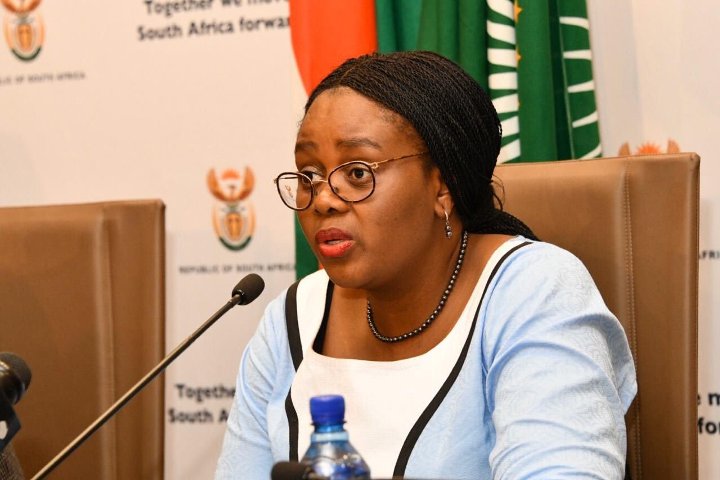
Justice and Constitutional Development Minister Mmamoloko Kubayi emphasized that delays in finalising the legislation could place whistleblowers at continued risk and weaken efforts to combat corruption and wrongdoing.
Government Says Urgent Action Is Needed to Protect Whistleblowers
Minister Kubayi stressed that the country urgently needs a stronger legal framework to safeguard individuals who risk their safety, careers and livelihoods by exposing corruption, fraud and other unlawful activities.
"Failure to expeditiously conclude this framework for the protection of whistleblowers will have grave consequences for the individuals who put their lives in danger to expose wrongdoing and corruption," Kubayi said.
She warned that extending the public comment process further would not be in the interests of whistleblowers or the broader justice system.
According to the Minister, the absence of a sufficiently robust whistleblower protection framework has created significant vulnerabilities for individuals who come forward with information about criminal conduct and corruption.
Public Participation Process to Continue in Parliament
Although the current public submission phase has ended, the Minister clarified that organisations, advocacy groups and individuals will still have opportunities to participate in the legislative process once the Bill reaches Parliament.
"I must emphasise that organisations and individuals will still have an opportunity to make comments on the Bill when Parliament opens for public participation," Kubayi explained.
The parliamentary process will allow lawmakers to further consider stakeholder concerns, recommendations and proposed amendments before the legislation is finalised.
Legal experts say parliamentary public participation remains a critical stage in South Africa's lawmaking process, ensuring broader consultation and democratic oversight.
Department Received Significant Public Feedback
The Department of Justice and Constitutional Development stated that it has already received a substantial number of submissions from civil society organisations, legal experts, institutions and members of the public.
Officials said these comments would now be analysed and incorporated where appropriate to strengthen the draft legislation before it is submitted to Parliament.
"The department has received a significant number of comments from various organisations and individuals, which will be processed to enrich the draft bill for submission to Parliament," the department said.
Authorities indicated that the next phase will focus on refining the Bill while balancing legal protections, accountability mechanisms and practical enforcement considerations.
Focus on Closing Gaps in Whistleblower Protection Laws
The department noted that there is currently a significant gap, or "lacuna," in South Africa's legal framework regarding effective whistleblower protection.
Government officials believe stronger legal safeguards are necessary to encourage individuals to report corruption, fraud, maladministration and organised criminal activities without fear of retaliation.
South Africa has faced repeated criticism in recent years regarding inadequate protection for whistleblowers, particularly amid high-profile corruption investigations linked to state capture and organised criminal networks.
Several whistleblowers in the country have reported facing threats, intimidation, financial hardship, workplace retaliation and even violence after exposing wrongdoing.
Whistleblower Safety Becomes Major National Concern
The issue of whistleblower protection gained greater urgency following multiple cases involving attacks, harassment and intimidation of individuals linked to corruption disclosures.
Civil society organisations and anti-corruption activists have long argued that weak legal protections discourage people from reporting misconduct and undermine efforts to fight corruption.
Experts say effective whistleblower laws are essential for:
-
Combating corruption
-
Improving government accountability
-
Strengthening public trust
-
Protecting democratic institutions
-
Supporting law enforcement investigations
-
Encouraging transparency in public and private sectors
The government's decision to fast-track the legislation reflects increasing recognition that stronger legal safeguards are urgently needed.
Balancing Urgency with Democratic Consultation
While some organisations requested additional time to submit comments, the department maintains that sufficient consultation opportunities have already been provided during the public comment process.
Officials argue that extending the process further could unnecessarily delay implementation of critical protections needed by whistleblowers currently operating in high-risk environments.
At the same time, authorities have attempted to reassure stakeholders that parliamentary participation mechanisms will still provide space for additional engagement and scrutiny.
Legal analysts note that balancing urgency with meaningful public consultation remains an important challenge in politically sensitive legislation.
Broader Anti-Corruption Reform Efforts Continue
The Protected Disclosures Bill forms part of South Africa's broader efforts to strengthen anti-corruption systems and rebuild institutional accountability following years of governance challenges linked to state capture investigations.
The country has increasingly focused on reforms involving:
-
Anti-corruption enforcement
-
Procurement oversight
-
Financial transparency
-
Witness protection systems
-
Judicial strengthening
-
Public sector accountability
Government officials say improving whistleblower protections is critical for ensuring that individuals with knowledge of corruption feel safe to cooperate with investigators and oversight bodies.
Civil Society Closely Monitoring Legislative Process
Anti-corruption organisations, labour unions, legal advocacy groups and governance watchdogs are expected to closely monitor the Bill as it proceeds through Parliament.
Many groups have called for comprehensive protections that go beyond employment safeguards to include:
-
Physical protection measures
-
Financial support mechanisms
-
Confidential reporting systems
-
Legal assistance for whistleblowers
-
Protection against retaliation and victimisation
Experts say the effectiveness of the final law will largely depend on how well these protections are implemented and enforced in practice.
Strengthening Accountability and Rule of Law
The Department of Justice said the ultimate goal of the Bill is to strengthen accountability, protect individuals exposing criminal conduct and reinforce South Africa's commitment to constitutional governance and the rule of law.
Officials believe the legislation could play an important role in improving public confidence in anti-corruption institutions and encouraging greater transparency across both government and private sectors.
As the Bill moves toward Parliament, the debate around whistleblower protection is expected to remain central to South Africa's broader efforts to strengthen governance, combat corruption and protect democratic accountability.


 Google News