

KZN Workers’ Parliament Charts Path to Job Creation and Economic Inclusion
The Workers’ Parliament took place against the backdrop of concerning labour market statistics recently released by Statistics South Africa.
- Country:
- South Africa
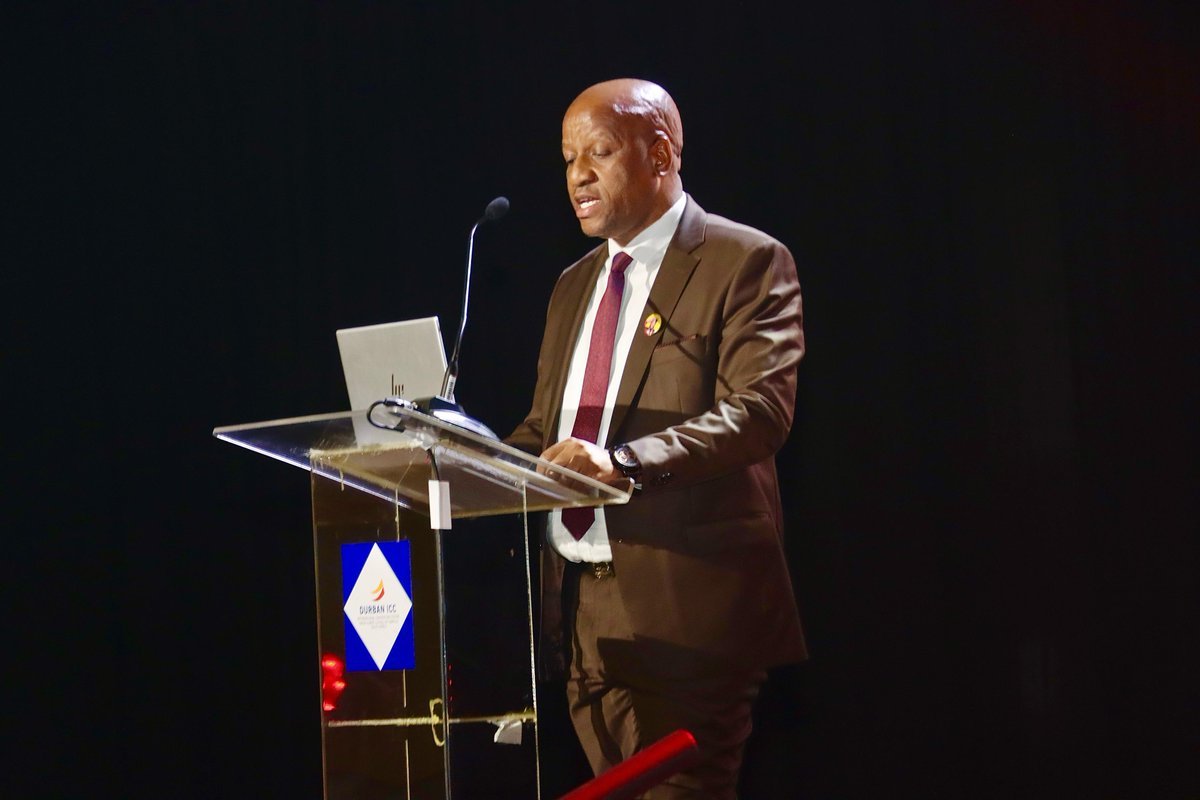
KwaZulu-Natal Premier Thamsanqa Ntuli has outlined a comprehensive set of resolutions adopted during the provincial Workers' Parliament, aimed at tackling unemployment, promoting decent work opportunities and expanding economic participation across the province. The resolutions emerge at a critical time when South Africa continues to grapple with high unemployment levels and growing concerns about youth joblessness.
The Workers' Parliament, which convened at the Greytown Civic Centre in the uMvoti Local Municipality under the uMzinyathi District Municipality on 29 May, served as a platform for government officials, labour representatives, workers' organizations and other stakeholders to discuss pressing labour market challenges and identify practical solutions for economic growth and employment creation.
The gathering highlighted both the severity of South Africa's unemployment crisis and the opportunities available within KwaZulu-Natal to create jobs, strengthen workers' rights and improve economic participation. Through a series of resolutions, participants reaffirmed their commitment to collaborative action between government, organized labour, business and civil society to address the province's socio-economic challenges.
Workers' Parliament Addresses South Africa's Unemployment Crisis
The Workers' Parliament took place against the backdrop of concerning labour market statistics recently released by Statistics South Africa. These figures paint a challenging picture of the country's employment situation and underscore the urgency of coordinated interventions.
According to the latest data, South Africa's national unemployment rate has risen to 32.7%, leaving approximately 8.1 million people without jobs. These figures continue to place South Africa among the countries with the highest unemployment rates globally and highlight the need for immediate and sustained action to stimulate economic growth and job creation.
One of the most pressing concerns raised during the Parliament was the high level of youth unemployment. Statistics indicate that 45.8% of South Africans between the ages of 15 and 34 are currently unemployed. This means that nearly half of the country's young population remains excluded from meaningful economic participation, limiting opportunities for financial independence, skills development and career advancement.
Addressing delegates, Premier Ntuli acknowledged the profound impact that unemployment has on individuals, families and communities. He emphasized that prolonged joblessness contributes to poverty, inequality and social instability while undermining economic growth and development.
The Premier noted that unemployment affects not only those actively seeking work but also the broader economy through reduced consumer spending, lower productivity and increased pressure on social support systems. As a result, addressing unemployment requires comprehensive strategies that involve all sectors of society working together toward common goals.
The Workers' Parliament provided an important opportunity for stakeholders to assess the current labour market environment, exchange ideas and develop practical recommendations aimed at improving employment outcomes across KwaZulu-Natal.
KwaZulu-Natal Records Positive Employment Growth
Despite the difficult national economic climate, Premier Ntuli highlighted several encouraging developments within KwaZulu-Natal that demonstrate the effectiveness of targeted economic interventions.
According to the Premier, the province successfully created more than 6,000 new jobs during the reporting period. This achievement contributed to a reduction in the provincial unemployment rate from 32.3% to 31.2%, representing a notable improvement despite broader national economic challenges.
The decline in unemployment offers evidence that strategic policy interventions and economic development initiatives can yield positive results when effectively implemented. While the province still faces significant employment challenges, the recent improvement suggests that progress is possible through sustained investment and coordinated action.
Ntuli attributed the positive employment outcomes to a range of government initiatives designed to stimulate economic growth and create opportunities across various sectors of the provincial economy. These interventions have focused on attracting investment, supporting industrial development and expanding economic activity in areas with strong job-creation potential.
The Premier emphasized that economic growth remains one of the most effective tools for reducing unemployment. By creating an environment that encourages business expansion, investment and entrepreneurship, the province can generate new employment opportunities while strengthening its overall economic foundation.
Investment promotion has been identified as a key component of the province's economic strategy. By attracting both domestic and international investors, KwaZulu-Natal aims to stimulate industrial activity, increase production capacity and create sustainable jobs that benefit local communities.
Industrial development initiatives have also played an important role in supporting employment growth. Strengthening manufacturing, logistics, agriculture and other productive sectors helps create jobs while enhancing the province's competitiveness within both domestic and international markets.
These achievements provide a measure of optimism and demonstrate that targeted interventions can make a meaningful difference even within a challenging economic environment.
Resolutions Focus on Decent Work and Workers' Rights
A major outcome of the Workers' Parliament was the adoption of resolutions aimed at strengthening workers' rights and promoting decent work opportunities throughout KwaZulu-Natal.
Premier Ntuli stressed that the resolutions developed during the Parliament will serve as an important guide for government policy and programme development. The recommendations are intended to help shape responsive interventions that address the evolving needs of workers while supporting broader economic objectives.
The concept of decent work emerged as a central theme throughout the discussions. Participants emphasized that employment creation should not focus solely on increasing job numbers but should also ensure that workers have access to fair wages, safe working conditions and adequate labour protections.
Protecting workers' rights remains a key priority for both government and organized labour. The resolutions seek to strengthen mechanisms that safeguard employees from exploitation while promoting fair treatment and equal opportunities within the workplace.
Special attention was given to vulnerable groups who often face additional barriers to employment and economic participation. These include young people, women, individuals living in rural areas and other marginalized communities that may struggle to access formal employment opportunities.
The Workers' Parliament recognized that inclusive economic growth requires targeted support for these groups. As a result, many of the adopted resolutions focus on creating pathways that enable greater participation in the labour market and broader economy.
The Premier indicated that the recommendations would help inform future government policies aimed at addressing labour market inequalities and improving access to opportunities for disadvantaged populations. By aligning policies with the needs of workers and employers, the province hopes to build a more inclusive and resilient economy.
The Parliament also reinforced the importance of ongoing dialogue between government and labour organizations. Effective communication and collaboration are viewed as essential for identifying challenges, resolving disputes and developing practical solutions that benefit both workers and employers.
Collaboration Identified as Key to Sustainable Economic Growth
One of the strongest messages emerging from the Workers' Parliament was the need for closer cooperation among government, business, organized labour and civil society in addressing unemployment and economic exclusion.
Premier Ntuli emphasized that no single institution can solve the unemployment crisis alone. Instead, meaningful progress requires collective action from all stakeholders who have a role to play in economic development and job creation.
Government remains responsible for creating enabling policies, investing in infrastructure and supporting economic development initiatives. However, businesses also play a critical role by investing in productive activities, expanding operations and creating employment opportunities.
Organized labour contributes by advocating for workers' rights, promoting fair labour practices and participating in policy discussions that shape the future of work. Civil society organizations further support these efforts by engaging communities, providing services and helping ensure that development initiatives reach vulnerable populations.
The Workers' Parliament reaffirmed the provincial government's commitment to strengthening these partnerships and maintaining ongoing engagement with social partners. Participants agreed that collaborative approaches offer the best opportunity to accelerate economic growth while ensuring that development benefits are shared more broadly across society.
Improving living conditions was identified as another important objective linked to employment creation. Sustainable jobs not only provide income but also contribute to improved quality of life, greater social stability and stronger communities.
Looking ahead, the resolutions adopted during the Workers' Parliament are expected to guide future policy decisions and development programmes within KwaZulu-Natal. By focusing on employment creation, workers' rights, economic inclusion and stakeholder collaboration, the province aims to build on recent gains and create a more prosperous future for its residents.
As KwaZulu-Natal continues its efforts to reduce unemployment and expand economic opportunities, the outcomes of the Workers' Parliament provide a roadmap for coordinated action. Through sustained cooperation and targeted interventions, the province hopes to create a stronger economy that offers meaningful opportunities for workers, businesses and communities alike.


 Google News