

NZ Imposes Travel Bans on Three Israeli Settlers Over West Bank Violence
The decision aligns New Zealand with a growing number of international partners that have recently taken measures against extremist settlers accused of contributing to instability in the occupied Palestinian territories.
- Country:
- New Zealand
New Zealand has announced targeted travel bans against three Israeli settlers accused of promoting and supporting illegal settlement expansion in the occupied West Bank, marking the latest step in the country's efforts to uphold international law and support stability in the Middle East.
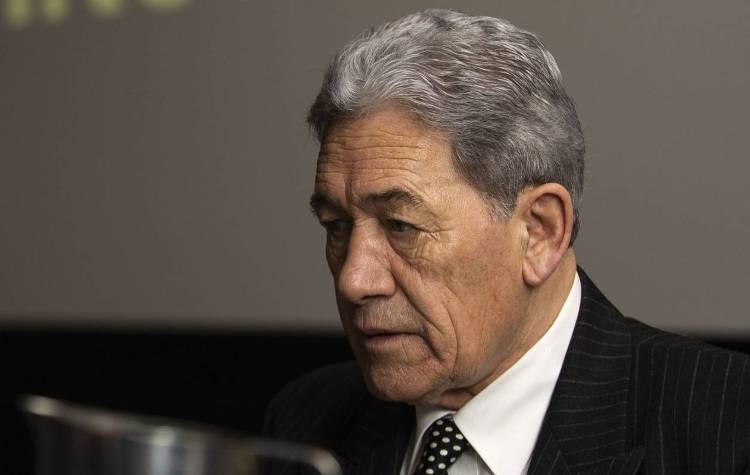
Foreign Minister Winston Peters confirmed that New Zealand will join international partners, including Australia and the European Union, in imposing restrictions on the three individuals. The move is aimed at holding accountable those alleged to have played a direct role in activities that undermine peace efforts and contribute to escalating tensions in the region.
The individuals subject to the travel bans are Itamar Yehuda Levi, Harel David Libi, and Eliav Libi.
According to the Government, the sanctions are specifically targeted at these individuals because of their involvement in expanding Israeli settlements in the West Bank, including activities associated with violence and the displacement of Palestinian communities.
Action Taken in Coordination With International Partners
The decision aligns New Zealand with a growing number of international partners that have recently taken measures against extremist settlers accused of contributing to instability in the occupied Palestinian territories.
Minister Peters said the actions of the three individuals have raised significant concerns among governments and international organisations due to their alleged role in encouraging settlement expansion and violence in the West Bank.
"These travel bans are targeted at three individuals who have actively worked to expand illegal settlements in the West Bank, including through violence," Mr Peters said.
By joining Australia and the European Union, New Zealand is reinforcing a broader international effort to discourage activities seen as undermining prospects for peace between Israelis and Palestinians.
The coordinated nature of these measures highlights growing international concern over rising violence in the West Bank and the continued expansion of settlements in disputed territories.
Travel Bans Focus on Individuals, Not Israel
The New Zealand Government stressed that the restrictions are directed solely at the three named individuals and should not be interpreted as a broader action against either the Israeli people or the Israeli Government.
Minister Peters emphasised that the decision was based on the conduct of specific individuals rather than a judgment on Israel as a nation.
"Our travel bans are not about the Israeli people, nor the Israeli Government," he said.
"This action is against three individuals whose use of violence and displacement is destabilising the West Bank. We have been clear such actions are unacceptable."
The Government's statement seeks to distinguish between criticism of particular actions and New Zealand's broader diplomatic relationship with Israel.
By targeting individuals rather than imposing wider sanctions, New Zealand is following a strategy increasingly used by governments seeking to address specific human rights concerns or security threats without affecting broader bilateral relations.
Concerns Over Settlement Expansion
The issue of Israeli settlements in the occupied Palestinian territories has long been a point of contention in international diplomacy.
Most members of the international community, including New Zealand, consider Israeli settlements in the West Bank to be contrary to international law. The settlements are built on territory captured by Israel during the 1967 Six-Day War and remain one of the most contentious issues in efforts to resolve the Israeli-Palestinian conflict.
Successive New Zealand governments have maintained that settlement expansion complicates peace negotiations and reduces the likelihood of achieving a lasting political solution.
Minister Peters reiterated this position, stating that New Zealand continues to view settlements in occupied Palestinian territories as a violation of international law.
"New Zealand has consistently stated that Israeli settlements in the occupied Palestinian territories are a violation of international law," he said.
The Government argues that ongoing settlement growth changes facts on the ground, making future negotiations over borders and sovereignty increasingly difficult.
Violence in the West Bank Under International Scrutiny
The travel bans come amid heightened international concern over violence in the West Bank, where tensions have intensified in recent years.
Reports from international organisations and human rights groups have documented increasing clashes involving settlers, Palestinian residents, and security forces. Concerns have been raised about attacks on Palestinian communities, property destruction, forced displacement, and retaliatory violence.
New Zealand's decision reflects concerns that certain individuals are contributing to this deteriorating security environment.
Minister Peters said violence associated with settlement expansion not only harms affected communities but also damages broader efforts to achieve peace and stability.
"The actions of these individuals threaten peace and security for Israelis and Palestinians and drive the region further into crisis," he said.
The Government believes that accountability measures such as travel bans send a clear message that violence and intimidation will not be tolerated.
Continued Support for a Two-State Solution
At the centre of New Zealand's Middle East policy remains support for a negotiated two-state solution.
The two-state framework envisions the creation of an independent Palestinian state existing alongside Israel, with both states living in peace and security. This approach has long been endorsed by the United Nations and the majority of the international community as the most viable pathway to resolving the conflict.
Minister Peters reaffirmed New Zealand's commitment to this position and expressed concern that settlement expansion undermines the possibility of achieving such an outcome.
"Expanding settlements, and the violence that accompanies it, undermines prospects for a two-state solution," he said.
"New Zealand continues to call for a two-state solution, a position shared by the overwhelming majority of the international community."
The Government maintains that only through direct negotiations can both Israelis and Palestinians achieve lasting peace, security, and prosperity.
"Only a negotiated two-state solution will secure peace, safety, and prosperity for Israelis and Palestinians alike," Mr Peters said.
Part of a Broader Sanctions Approach
The latest travel bans are not unprecedented in New Zealand's foreign policy toolkit.
The Government has previously imposed targeted travel restrictions on individuals accused of advocating violence, undermining democratic institutions, or contributing to instability in various parts of the world.
According to the Ministry of Foreign Affairs and Trade, New Zealand has used similar measures against politicians, military leaders, and other influential figures in countries including Russia, Belarus, Myanmar, and Israel.
Targeted sanctions and travel bans have become increasingly common internationally because they focus on specific individuals rather than entire populations, allowing governments to respond to concerning behaviour while minimising wider diplomatic or economic impacts.
The approach is often viewed as a way of promoting accountability while maintaining broader engagement with affected countries.
New Zealand Signals Commitment to International Law
The announcement reinforces New Zealand's long-standing commitment to international law, human rights, and peaceful conflict resolution.
By joining international partners in sanctioning individuals linked to settlement expansion and violence, the Government is signalling its intention to support global efforts aimed at reducing tensions and preserving the possibility of a negotiated peace agreement.
While the travel bans themselves may have limited direct impact on events in the region, they carry significant diplomatic weight and demonstrate New Zealand's position on actions it considers harmful to peace and stability.
As conflict and uncertainty continue to affect both Israelis and Palestinians, New Zealand says it will remain committed to supporting measures that encourage dialogue, accountability, and a peaceful resolution based on international law.
The targeted travel bans against Itamar Yehuda Levi, Harel David Libi, and Eliav Libi represent the latest expression of that policy, as New Zealand joins like-minded nations in opposing actions that threaten the prospects for lasting peace in the Middle East.
ALSO READ
-
New Zealand Gives NZ$300,000 to Help Developing Countries Build Safer Food Trade
-
Iran’s Civilians Trapped Between State Repression and Deadly Strikes, UN Warns
-
UN Experts See UK Settlement Curbs as Turning Point, Urge Action Over Occupation
-
US Approves Potential Sale of F-35 Jets to Saudi Arabia, Shifting Middle Eastern Power Dynamics
-
Potential EU Partnerships Stir International Debate


 Google News