

Deputy President Mashatile Highlights Role of Traditional Leadership in Limpopo
Mashatile called on traditional leaders to take the lead in confronting social issues such as crime, teenage pregnancy, climate resilience, and initiation safety.
- Country:
- South Africa
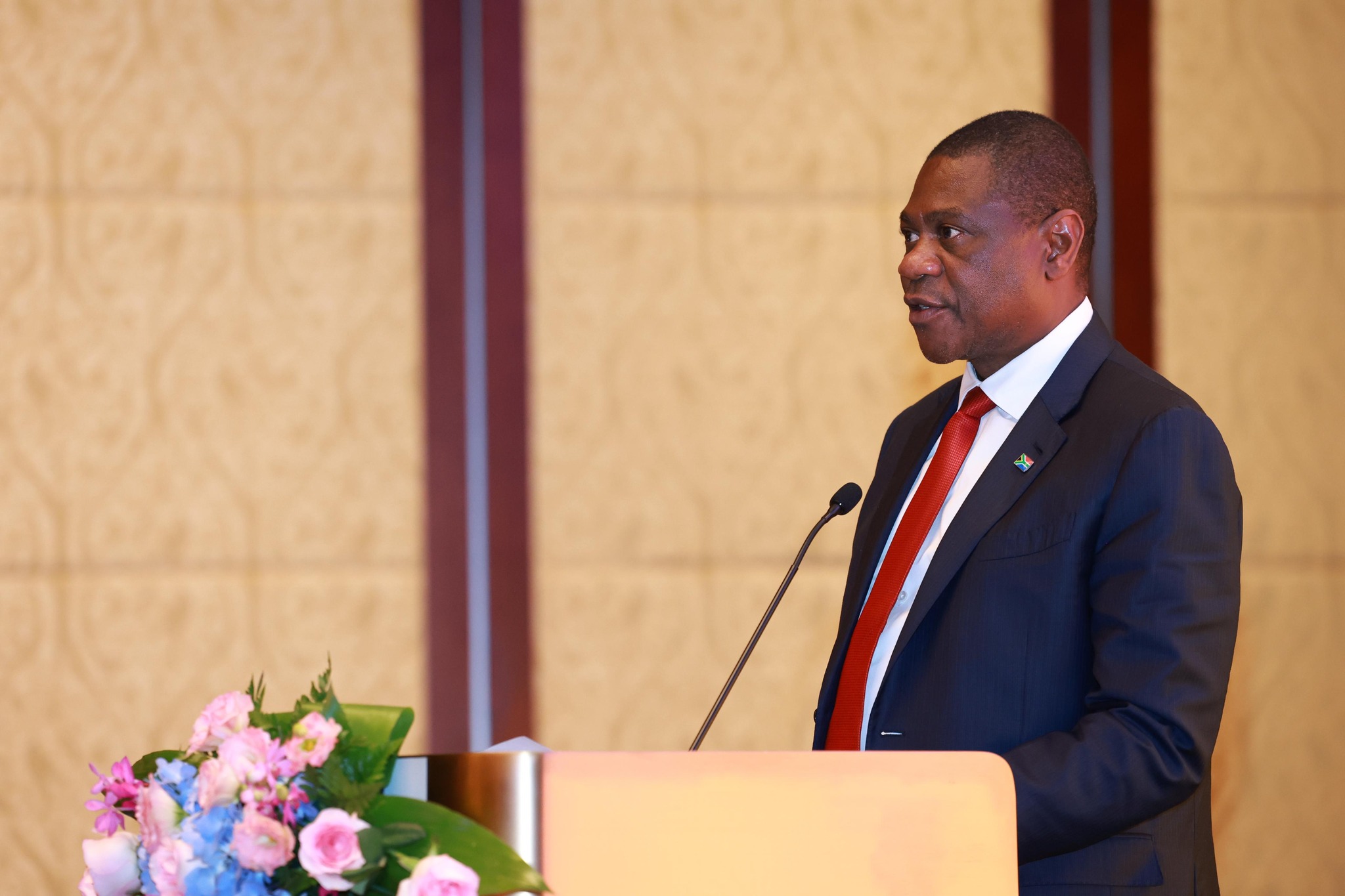
Deputy President Paul Mashatile has described traditional leadership as a living heritage that continues to shape South Africa's future. Speaking in Limpopo on Friday, in his role as Chairperson of the Inter-Ministerial Task Team on Matters of Traditional Leadership, he engaged with local leaders to strengthen cooperation and support the implementation of resolutions aimed at improving rural communities' lives.
Strengthening Governance and Legislative Framework
Acknowledging both progress and ongoing challenges, Mashatile highlighted steps taken to reinforce traditional governance. He noted the tabling of the Traditional and Khoi-San Leadership Bill of 2026 in Parliament as a decisive move to enshrine the voices of traditional leaders in law. Financial grants have been allocated to Traditional Councils, induction workshops conducted for newly elected members, and offices across districts constructed or refurbished to empower leaders in serving their communities. The Handbook for Traditional and Khoi-San Leadership has also been adopted and awaits full concurrence from provinces.
On matters of dispute resolution, the Deputy President noted that investigative committees in Limpopo continue to manage recognitions, document genealogies, and resolve succession issues, ensuring leadership legitimacy and respect. Additionally, remuneration and benefits for traditional leaders are being reviewed at the national level, with recommendations expected by the end of June 2026, providing clarity and fairness for their roles.
Addressing Social Challenges in Communities
Mashatile called on traditional leaders to take the lead in confronting social issues such as crime, teenage pregnancy, climate resilience, and initiation safety. He emphasised the importance of guiding young people responsibly, partnering with schools and clinics, and promoting both cultural and modern education. Leaders were also urged to use communal land strategically to combat unemployment, support youth entrepreneurship, and ensure equitable distribution of social support.
The Deputy President warned of the dangers posed by illegal initiation schools, stressing the need to protect initiates' lives and uphold the dignity of cultural rites. He called for vigilance and collaboration to ensure that traditional initiation practices are conducted safely and in accordance with established standards.
Collaboration on Migration Management
Mashatile also sought traditional leaders' support in managing migration effectively. He highlighted the Comprehensive Approach for Migration Management to strengthen border security, enforce immigration laws, curb corruption, and close policy gaps. Leaders were encouraged to cooperate in addressing illegal immigration in ways that are lawful, humane, and just, reinforcing community stability and national security.
Commitment to Partnership and Dialogue
Closing the engagement, the Deputy President emphasised unity, open communication, and mutual respect. He called for a collaborative approach between government and traditional leadership, encouraging both sides to work as partners rather than adversaries to serve the nation and its people. Mashatile expressed confidence that through dialogue and cooperation, challenges can be addressed fairly and solutions implemented effectively.
The engagement underscored the ongoing importance of traditional leadership in guiding communities, supporting governance, and shaping the country's cultural and social development.


 Google News