

ILO’s Global Advisory Committee Charts Path for Next Social Protection Phase
The next phase aims to accelerate progress toward universal social protection by focusing on inclusion, innovation, and financial sustainability.
On 29 October 2025, the Global Tripartite Advisory Committee (GTAC) — the key governing body of the International Labour Organization (ILO)'s Global Flagship Programme on Building Social Protection Floors for All (SPF Flagship Programme) — convened in Geneva to assess the progress of the programme's second phase (2021–2025) and outline priorities for Phase III (2026–2030).
The meeting brought together government representatives, employers' and workers' organizations, and international development partners to evaluate achievements, discuss lessons learned, and chart a renewed vision for advancing universal social protection.
Since its inception in 2016, the SPF Flagship Programme has become one of the ILO's most impactful global initiatives, working to build strong, inclusive, and sustainable social protection systems that guarantee a basic level of income security and access to essential services for all people — especially the most vulnerable.
Strong Results Under the Second Phase (2021–2025)
Opening the meeting, Ms. Shahra Razavi, Director of the ILO's Universal Social Protection Department, and Mr. Peter van de Rooij, Director of the Multilateral Partnerships and Development Cooperation Department, underscored that social protection has become a global priority for achieving the Sustainable Development Goals (SDGs) and building resilient, just, and inclusive societies.
"Social protection is not only a human right, it is a policy instrument that reduces poverty, addresses inequality, and ensures just transitions," said Ms. Razavi.
During the session, Ms. Valérie Schmitt, Deputy Director of the Universal Social Protection Department and Head of the SPF Flagship Programme, presented the programme's impressive results during its second phase.
According to Schmitt, the SPF Flagship Programme has exceeded its original targets by:
-
Supporting 50 countries in achieving 149 key institutional changes, including new legislation, policy frameworks, and improved financing systems;
-
Extending social protection coverage to nearly 56 million people globally; and
-
Enhancing monitoring, administration, and fiscal sustainability of social protection systems in developing and emerging economies.
"We propose an adjusted framework for the third phase of the Programme which reflects both the importance of strong social protection systems to reach universal coverage as well as their key role in supporting other policy objectives," Schmitt noted.
These achievements have translated into tangible impacts — including the expansion of health insurance in Zambia, extension of maternity benefits in Indonesia, and pension reforms in several African and Latin American countries.
Preparing for Phase III (2026–2030): Expanding Coverage and Resilience
Building on these successes, GTAC discussions centered on shaping the strategic direction for the upcoming Phase III (2026–2030). The next phase aims to accelerate progress toward universal social protection by focusing on inclusion, innovation, and financial sustainability.
The draft framework for Phase III will focus on:
-
Extending coverage to informal economy workers, refugees, migrants, and other excluded populations;
-
Building inclusive social protection systems that integrate all branches of social security — health, pensions, unemployment, maternity, disability, and child benefits;
-
Leveraging social protection for just transitions, including pathways to formalization, greener and more resilient economies, and recovery from crises;
-
Promoting sustainable financing through domestic resource mobilization, innovative mechanisms, and private-sector participation;
-
Strengthening governance and policy coherence, ensuring that social protection aligns with broader development, labor, and climate policies.
The strategy — to be finalized in early 2026 — will also emphasize evidence-based policymaking, capacity-building, and social dialogue as central tools for achieving inclusive coverage.
Key Interventions from Members and Partners
Several GTAC members and partners shared insights, reflecting the tripartite and multi-stakeholder nature of the programme. Their perspectives underscored the shared commitment to making social protection a cornerstone of sustainable development.
Ms. Evelyn Astor, Director of the Economic and Social Policy Department at the International Trade Union Confederation (ITUC), emphasized the continued importance of ILO standards:
"The promotion of Convention No. 102 and other relevant social security instruments, as well as the implementation of Recommendation No. 202, should continue to be an essential feature in the next phase of the Flagship Programme."
Mr. Yasuo Ariga, Director at Japan's Ministry of Health, Labour and Welfare, highlighted the urgent need to address emerging challenges:
"Japan has great interest in the issue of platform workers. Extending social protection to informal and platform workers is crucial for establishing appropriate social protection floors."
Ms. Alba Riobó, Policy Officer at the European Commission (DG INTPA), reiterated the EU's commitment to innovative partnerships:
"We see great value in providing additional instruments to support the SPF Flagship Programme through innovative financing mechanisms within the Global Gateway framework."
Mr. Herryman Moono, Director of Research and Strategic Planning at Zambia's National Health Insurance Management Authority, praised the programme's contribution to national institutional capacity:
"What we have greatly benefited from is the capacity-building aspect. With the evidence generated through the SPF Programme, we have been able to develop new and innovative partnerships."
Mr. Gama Anom Yogotomo, Chairperson of the Social Security Committee of APINDO (Employers' Association of Indonesia), called for modernization and inclusivity:
"To align with the ILO Flagship approach, countries should extend coverage to informal workers, improve adequacy and rights, modernize schemes, ensure sustainable financing, strengthen data systems, and reinforce laws and social dialogue."
A Decade of Global Impact
Since its launch in 2016, the SPF Flagship Programme has become a leading global effort to support countries in building nationally defined social protection floors that guarantee basic income security and access to health care.
During Phase II (2021–2025), the programme worked across 16 thematic areas, including gender equality, child protection, health coverage, and social protection for migrants and informal workers. It also strengthened strategic partnerships with governments, the private sector, and development organizations such as the World Bank, EU, UNICEF, and ILO constituents worldwide.
To date, the programme has mobilized hundreds of millions of dollars in development assistance and domestic financing for social protection systems, while also generating global knowledge resources and best practices to guide policy reform.
Resource Mobilization and Future Partnerships
The GTAC meeting also addressed the pressing issue of resource mobilization, reviewing progress on ongoing funding efforts and identifying future financing opportunities.
Despite notable progress, the funding gap for achieving universal social protection remains significant. The committee emphasized the need to diversify financing sources, including through:
-
Blended finance mechanisms combining public and private capital;
-
South–South and triangular cooperation;
-
Innovative financing instruments, such as social impact bonds; and
-
Increased domestic fiscal capacity through improved taxation and budgetary planning.
The ILO reaffirmed its commitment to working with governments and partners to close these gaps and ensure sustainable investment in social protection systems.
Social Protection as a Driver of Inclusive Development
Social protection is increasingly recognized as a foundation for achieving multiple SDGs, including those on poverty eradication (SDG 1), decent work (SDG 8), and reduced inequalities (SDG 10). It also plays a crucial role in climate resilience, digital transformation, and social cohesion.
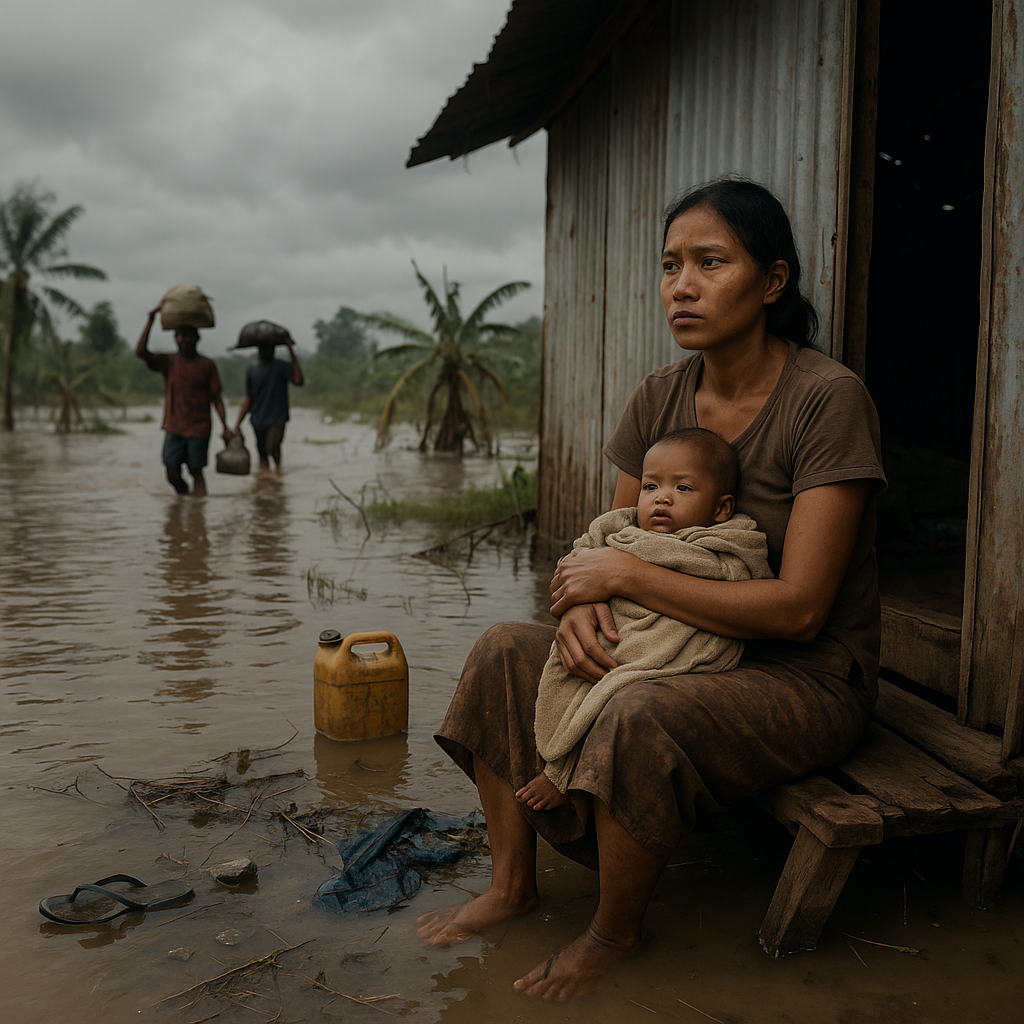
As countries recover from global crises—ranging from the COVID-19 pandemic to climate-related disasters—universal social protection systems are proving essential for preventing people from falling back into poverty, supporting livelihoods, and enabling equitable economic growth.
"Social protection systems are at the heart of just transitions," said Ms. Razavi. "They provide the social contract that allows societies to move confidently toward greener, more digital, and more resilient futures."
Looking Ahead: Toward Universal Coverage by 2030
As the ILO's SPF Flagship Programme moves into its third phase, the focus will remain on transforming policy frameworks into lasting systems that protect every person, everywhere, across all stages of life.
The forthcoming Phase III (2026–2030) will not only consolidate earlier gains but also expand coverage, promote innovation, and strengthen the financing and governance structures necessary for universal social protection floors.
With the guidance of the GTAC and the continued support of the ILO's global partners, the SPF Flagship Programme stands as a testament to the power of tripartite collaboration—bringing together governments, employers, and workers in pursuit of social justice and inclusive development.


 Google News