

India and IFAD Celebrate 48-Year Partnership Driving Global Rural Transformation
At the event, IFAD President Alvaro Lario highlighted the global significance of India–IFAD cooperation, noting that many of the initiatives first piloted in India have since shaped international development standards.
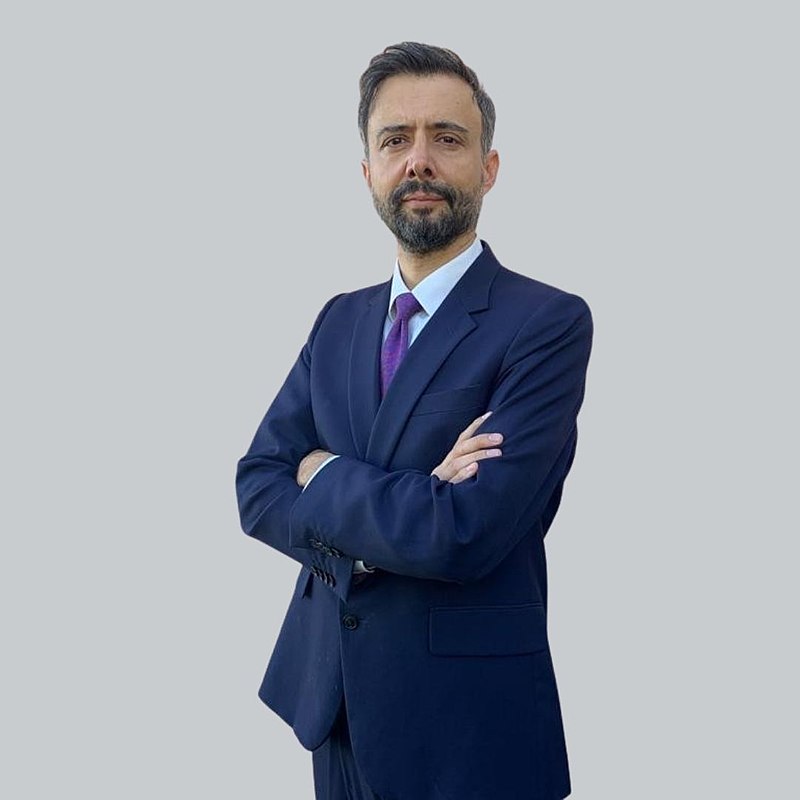
The Government of India and the International Fund for Agricultural Development (IFAD) marked a major milestone in Rome as both partners celebrated their 48-year collaboration in rural development—a partnership now recognised as one of the most influential and scalable models for agricultural transformation across the Global South.
At the event, IFAD President Alvaro Lario highlighted the global significance of India–IFAD cooperation, noting that many of the initiatives first piloted in India have since shaped international development standards. "The investments India and IFAD have made together show what scalable, sustainable development can look like," Lario said. "Our work in women's empowerment, food systems transformation, and agroecological transitions has become a template not only for IFAD but also for governments and development institutions worldwide."
Lario also acknowledged India's "critical leadership role" in South-South and Triangular Cooperation, especially in strengthening rural institutions and developing innovative value chains that link farmers directly to markets.
A Partnership Built on Shared Principles
Representing the Government of India, Anu Mathai—Additional Secretary in the Department of Economic Affairs and IFAD Alternate Governor—emphasised that the success of the partnership is rooted in shared values.
"India's partnership with IFAD is built not only on financial support and project implementation, but also on shared principles of inclusive, sustainable, and participatory development," she said. "We believe rural communities are the real drivers of transformation. IFAD's work reflects this, which is why our partnership has endured and grown stronger."
A Portfolio with Global Influence
India is home to one of IFAD's largest country portfolios. Over 48 years, the two partners have worked together on 36 rural development projects worth US$4.4 billion, including US$1.5 billion in direct IFAD financing. Six projects are currently underway—two in early phases—with a combined value of US$459 million.
India's co-financing ratio of 2.65 far exceeds IFAD's global target, demonstrating the high level of national investment, trust, and ownership in joint initiatives.
These projects support small-scale farmers by:
-
Integrating them into formal markets to improve incomes.
-
Supporting climate-smart agriculture through crop diversification and resilience-focused practices.
-
Strengthening rural institutions such as women's self-help groups and producer collectives.
-
Expanding partnerships between farmers, cooperatives, agribusinesses, and private-sector buyers.
One of IFAD's most influential contributions in India was pioneering the women's collective model, which began in the 1980s as community savings groups and has evolved into powerful economic institutions enabling rural women to access credit, training, markets, and entrepreneurship opportunities.
Current and Future Projects
Today, India is both a major donor and borrower for IFAD, reflecting its dual role as an emerging economic leader and champion of global poverty reduction. Ongoing projects include:
-
Meghalaya: Expanding market access for more than 45,000 rural enterprises.
-
Maharashtra: Supporting women's access to formal employment and entrepreneurship.
-
Jammu & Kashmir: Enhancing climate resilience for 300,000 small-scale farmers.
-
Uttarakhand: Doubling rural incomes and reducing climate-driven migration.
Dr. Jujjavarapu Balaji, Alternate Permanent Representative to IFAD, reaffirmed India's forward-looking commitment: "We remain dedicated to scaling successful models and ensuring that rural communities have the tools to meet the challenges of a changing world."
A Partnership Shaping the Global South
As one of the world's fastest-growing economies and a founding IFAD member, India has demonstrated how rural development at scale can be achieved through grassroots empowerment, strong institutions, and innovative financing. Together, India and IFAD continue to build skills, strengthen community-led organisations, and expand access to markets and services—ensuring rural people remain at the centre of their own development.
ALSO READ
-
Rural Investment Can Unlock Growth Across Latin America and the Caribbean, Says IFAD
-
Belize Communities Take the Lead in New Push for Jobs, Skills and Stronger Futures
-
Japanese Lawmakers Visit India to See Worker Protection and Skills Projects in Action
-
Indian Unions Push for Fair Recruitment and Rights for Care Workers in Germany
-
Nigeria Launches $5 Billion AgriConnect Plan to Back Farmers and Create 2.5m Jobs


 Google News