

From Girls to Grandmothers: Global Push at CSW70 Calls for Justice Systems That Work for Every Woman
Despite decades of progress, women globally still hold only two-thirds of the legal rights of men, and no country has achieved full gender equality under the law.
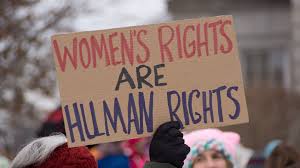
At the 70th session of the Commission on the Status of Women (CSW70), a powerful coalition of adolescent girls, young feminists, older women, policymakers, and civil society leaders came together with a clear message: justice systems worldwide are failing women—and urgent, intergenerational reform is needed.
Across two major UN Women-led events—the CSW Youth Forum (8 March) and a high-level panel on intergenerational justice (13 March)—participants exposed deep-rooted inequalities that continue to deny women and girls access to justice at every stage of life.
A Global Justice Gap That Starts Early—and Lasts a Lifetime
Despite decades of progress, women globally still hold only two-thirds of the legal rights of men, and no country has achieved full gender equality under the law.
The discussions revealed that justice gaps are most severe at the extremes of age:
For adolescent girls and young women:
-
Limited legal awareness and access to information
-
Social stigma around sexual and reproductive rights
-
Digital harassment and surveillance
-
Exclusion from legal and policy decision-making spaces
For older women:
-
Barriers to inheritance and property rights
-
Lack of access to pensions and legal documentation
-
Under-recognition of unpaid care work
-
Rising but underreported elder abuse, often within families
Adding to these challenges, women's exposure to conflict has increased by 50% over the past decade, further deepening vulnerabilities—particularly for younger women in fragile settings.
Structural Barriers Persist Across Generations
Participants emphasized that justice systems are often shaped by:
-
Patriarchal norms
-
Weak enforcement of existing laws
-
Institutional bias and age discrimination
These structural issues create a system that fails to reflect women's lived realities—making it difficult for them to claim their rights safely and effectively.
Maryam Bibi, Founder of Pakistan's Khwendo Kor, highlighted the compounded challenges faced by older women:
"The system is not ready to solve the barriers that older women face… they are legal, financial, cultural, and institutional."
Young Feminists Demand Inclusive and Accessible Justice
Young leaders at CSW70 made it clear that justice must go beyond legal frameworks—it must address systemic inequality.
They called for:
-
Legal information in local and indigenous languages
-
Safe mechanisms to report abuse without stigma or retaliation
-
Inclusion of girls—including those with disabilities—in policy spaces
Wanjiku Njuguna, a youth advocate from Kenya, stressed:
"Justice systems must believe girls, protect girls, and make space for every girl's voice."
Recognizing Lifelong Inequality for Older Women
The dialogue also brought overdue attention to the legal invisibility of older women, whose challenges are often the result of decades of accumulated inequality.
Participants stressed that:
-
Economic dependence limits access to legal remedies
-
Legal systems rarely account for unpaid caregiving roles
-
Older women's experiences are often excluded from policy design
There was a strong call to integrate the voices and knowledge of older women into reform processes—ensuring solutions are grounded in lived experience.
From Dialogue to Action: A Roadmap for Reform
The CSW70 discussions produced a clear set of priorities to close the justice gap:
-
Expand legal literacy programmes across all age groups
-
Strengthen gender-responsive legal aid systems
-
Repeal discriminatory laws and practices
-
Ensure meaningful participation of both young and older women in policymaking
-
Build coordinated partnerships across governments, UN agencies, and civil society
A Global Movement Backed by Youth Voices
The recommendations are rooted in one of the largest youth consultation efforts to date:
-
23,000+ young people engaged across 75+ countries
-
Contributions from community to global levels
-
A global town hall involving 100+ girls under 19 from 50+ countries
These inputs shaped the Global Youth and Adolescents Recommendations, ensuring that reform priorities reflect real-world experiences.
A Turning Point for Gender Justice
UN Women officials underscored the importance of intergenerational collaboration in driving change.
"When women across generations shape the agenda together, justice becomes something real and lived," said Lopa Banerjee, Director of UN Women's Civil Society Division.
Justice for Every Woman, at Every Stage
The message from CSW70 was unequivocal: justice systems must evolve to serve women not as a single group, but across their entire life course.
From girls facing digital violence to older women denied property rights, the fight for justice is interconnected—and solutions must be inclusive, intersectional, and intergenerational.
As global momentum builds, the challenge now is translating these commitments into action—ensuring that justice is not just promised, but delivered to every woman, everywhere, at every stage of her life.


 Google News