

ILO Programme Extends Social Protection to Over 100 Million People, Sets Ambitious 2030 Targets
Angola’s government noted that more than 10% of its population is now covered by at least one social protection benefit, reflecting tangible progress.
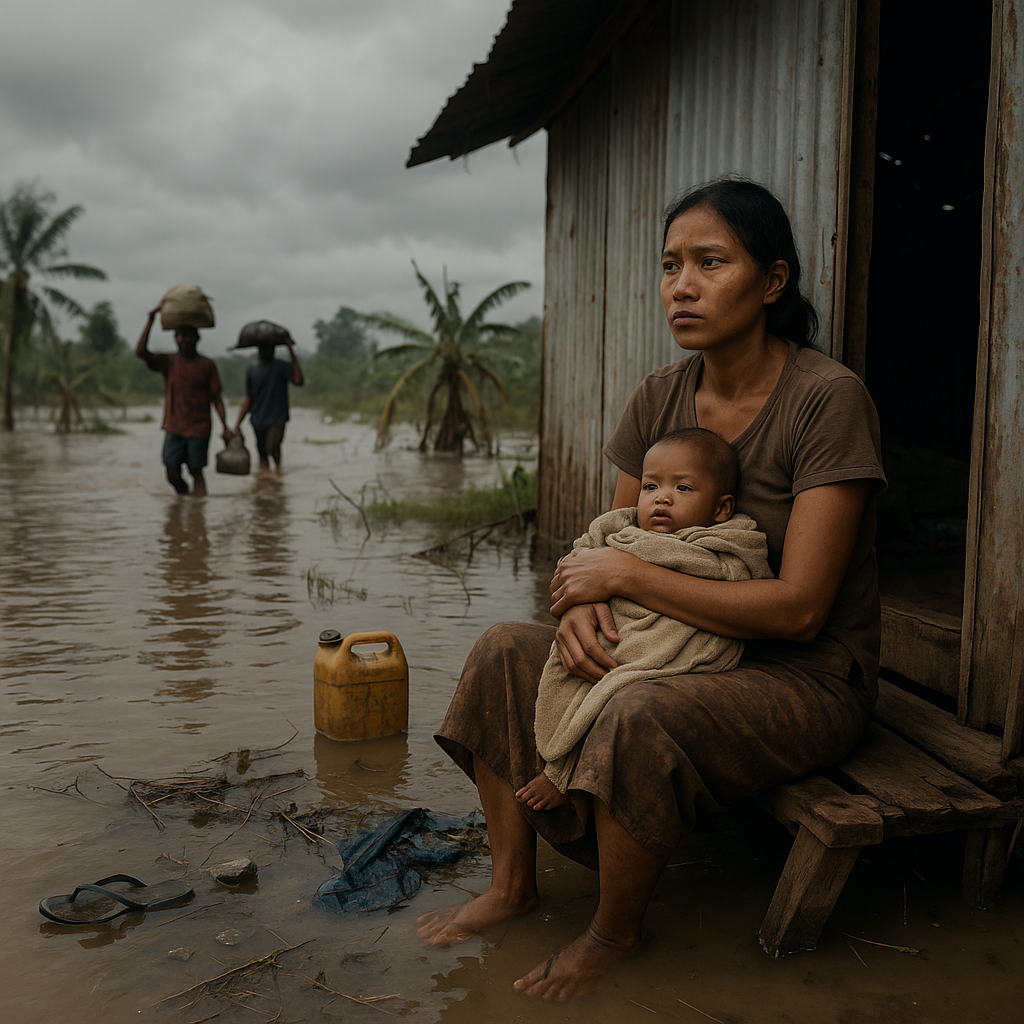
The International Labour Organization's (ILO) flagship global programme on social protection has reached a major milestone, helping extend social protection coverage to more than 100 million additional people worldwide since its launch in 2016, as countries accelerate efforts toward universal social security.
The progress was highlighted at the Development Partners Meeting held on 19 March, where governments and international partners reviewed achievements and outlined priorities for the next phase of the initiative.
Second Phase Exceeds Targets by Wide Margin
During its second phase (2021–2025), the Global Flagship Programme on Building Social Protection Floors for All significantly outperformed expectations:
-
84 million people gained improved coverage, surpassing the 60 million target
-
29 million people benefited in 2025 alone
-
180 institutional reforms were implemented across countries
These reforms ranged from new laws and policy frameworks to strengthened administrative systems and expanded benefit schemes.
"This demonstrates that the Programme's strategy… has paid off, progressively making social protection more sustainable, universal and comprehensive," said Sangheon Lee, ILO Assistant Director-General (Jobs and Social Protection).
Strengthening Systems Across 50 Countries
Operating across 50 priority countries and 16 thematic areas, the programme has focused on building long-term, resilient social protection systems that support individuals throughout their life cycle—from childhood to old age.
Country-level successes underscore its impact:
-
Uzbekistan: New social insurance law extended maternity and sickness coverage to over 6 million workers
-
Suriname: Ratified Convention No. 102 and adopted a national social protection strategy
-
Lao PDR: Launched a digital social security app and inspection unit, improving compliance and potentially expanding coverage to 2.5 million workers
-
Angola: Increased social protection spending to over 6% of the national budget, nearly doubling since 2021
Angola's government noted that more than 10% of its population is now covered by at least one social protection benefit, reflecting tangible progress.
A Key Tool for "Just Transitions"
The programme has also played a growing role in supporting "just transitions"—helping countries adapt social protection systems to challenges such as:
-
Climate change
-
Labour market disruptions
-
Economic transformation
By integrating social protection with employment, fiscal, and climate policies, the initiative is positioning itself as a central pillar of inclusive development.
Phase III (2026–2030): Expanding Ambitions
Building on its success, the programme is now entering its third phase (2026–2030) with expanded goals and a sharper strategic focus.
Key targets include:
-
20 million more people gaining legal social protection coverage
-
30 million additional people achieving effective coverage
-
10 million people benefiting from more comprehensive protection
The next phase will operate in 40 priority countries, with greater emphasis on:
-
Policy coherence across sectors
-
Inclusive social dialogue
-
Alignment with international social security standards
Strong Backing from Global Partners
Development partners, including the European Union and Ireland, reaffirmed their commitment to scaling up support.
"The Flagship Programme… is fully aligned with the European Union Global Gateway strategy," said Laure Rogès of the European Commission, highlighting the need to link economic transformation with social development.
Ireland also emphasised the programme's long-term value, noting that building sustainable, lifecycle-based social protection systems requires consistent policy commitment and collaboration.
Partnerships Key to Scaling Impact
The ILO stressed that achieving universal social protection by 2030 will depend on deepened partnerships, including:
-
Collaboration under the UN Global Accelerator on Jobs and Social Protection for Just Transitions
-
Coordination across UN agencies ("Delivering as One")
-
Engagement with workers' and employers' organisations
-
Increased investment from international financial institutions
Toward Universal Social Protection
Despite significant progress, global gaps remain substantial, with billions still lacking adequate social protection.
The ILO programme is increasingly seen as a cornerstone initiative in closing this gap—helping countries build systems that are not only inclusive but also resilient to future shocks.
As governments and partners align around the 2030 agenda, the programme's next phase will be critical in determining whether universal social protection becomes a reality.
ALSO READ
-
Philippines Builds National Roadmap to End Child Labour, Trafficking and Slavery
-
ILO and KfW Extend Türkiye Jobs Project to 2027, Supporting Workers and Businesses
-
Philippines Could Unlock Billions Through Smarter Taxes and Public Spending
-
Caribbean Tourism Powers Local Economies, but Workers Need More Than Visitor Growth
-
Lebanon’s Small Business Owners Build Skills and Market Links With EU and ILO Support


 Google News