

Sudan War Enters Fourth Year: Child Casualties Surge 50% as UNICEF Warns of Escalating Crisis and Funding Shortfalls
New data reveals that between January and March 2026, at least 160 children were killed and 85 maimed—a 50 per cent increase compared to the same period last year.
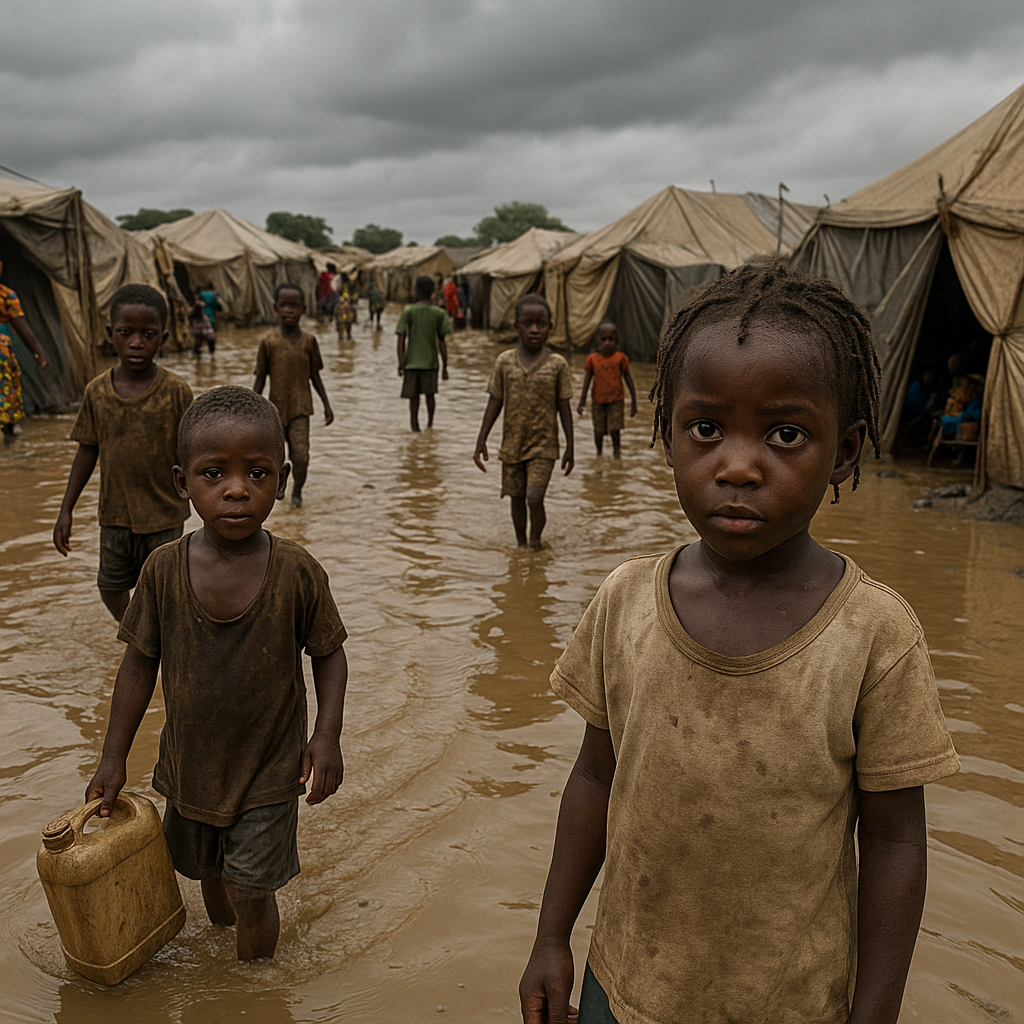
Sudan's protracted conflict is entering a devastating new phase for children, with a sharp surge in killings, injuries, and displacement highlighting what UNICEF describes as a "collective failure" to protect the country's youngest and most vulnerable.
New data reveals that between January and March 2026, at least 160 children were killed and 85 maimed—a 50 per cent increase compared to the same period last year. The highest toll has been recorded in Darfur and the Kordofan states, where relentless violence continues to push communities to the brink.
A Worsening Toll on Children
As the war crosses its three-year mark, the cumulative impact on children is staggering. More than five million children have been displaced, many forced to flee multiple times as frontlines shift and insecurity spreads across the country.
"For three years, children across Sudan have been killed, injured, and displaced at staggering levels," said UNICEF Executive Director Catherine Russell. "Their homes, schools, and hospitals continue to come under attack. There is no justification for violence against children."
Drone Warfare Driving Casualties
A troubling shift in the nature of the conflict is compounding the crisis. Drone attacks now account for 78 per cent of reported child casualties, reflecting the increasing use of indiscriminate weapons that strike far beyond traditional battlefields.
Homes, markets, schools, and hospitals—spaces that should be safe—are increasingly being targeted or caught in the crossfire.
Thousands of Violations, Many More Hidden
Since the conflict began in April 2023, the United Nations has verified more than 5,700 grave violations against children, affecting at least 5,100 children. Over 4,300 of these children have been killed or maimed.
Darfur and Kordofan remain the hardest-hit regions, though the true scale of the crisis is believed to be far greater due to limited access and ongoing insecurity, which hinder monitoring and reporting.
Displacement, Hunger and System Collapse
The humanitarian situation continues to deteriorate rapidly. Families are living in overcrowded, fragile conditions, with basic services stretched to breaking point.
Large areas of the country remain inaccessible to humanitarian agencies due to fighting, damaged infrastructure, and administrative barriers—particularly in Darfur, Kordofan, and parts of Blue Nile.
At the same time, hunger and disease are spreading. Famine has already been confirmed in Al Fasher and Kadugli, with risks increasing in other مناطق including Um Baru and Kernoi.
An estimated 4.2 million children are expected to suffer from acute malnutrition in 2026, including more than 825,000 severe cases that could prove fatal without urgent treatment.
Education System in Collapse
The war has also crippled Sudan's education system. More than one-third of schools are closed, while an additional 11 per cent are being used as shelters or occupied by armed groups.
As a result, nearly half of all school buildings are no longer functioning as classrooms, leaving at least eight million children out of school.
Experts warn that prolonged disruption to education could have long-term consequences, creating a "lost generation" with limited opportunities for recovery.
Humanitarian Response Under Strain
Despite immense challenges, UNICEF continues to deliver life-saving services across Sudan, including healthcare, nutrition support, clean water, education, and child protection.
However, the response is under growing pressure due to severe funding shortfalls.
In 2026, UNICEF requires $962.9 million to reach 7.9 million children with essential assistance. Yet as of March, only 16 per cent of the required funding has been secured.
Without urgent financial support, critical programmes risk being scaled back—potentially leaving millions of children without access to life-saving aid.
Urgent Call for Action
UNICEF is calling on all parties to the conflict to immediately end violations against children and comply with international humanitarian law, including ensuring safe and unimpeded access for humanitarian assistance.
"Humanitarian needs continue to far outpace funding," Russell said. "We urgently appeal to the international community to strengthen its support. We cannot look away from the suffering of children in Sudan."
A Crisis at Breaking Point
As Sudan's conflict enters its fourth year, the mounting toll on children underscores the urgent need for both humanitarian and political action.
With violence intensifying, famine spreading, and services collapsing, the cost of inaction is becoming increasingly irreversible—and it is Sudan's children who are paying the highest price.


 Google News