

Will Sri Lanka's New Terrorism Law Protect Rights? UN Experts Demand Key Changes
Sri Lanka plans to repeal the Prevention of Terrorism Act of 1979, associated with torture, enforced disappearances and other violations before, during and after its civil war.
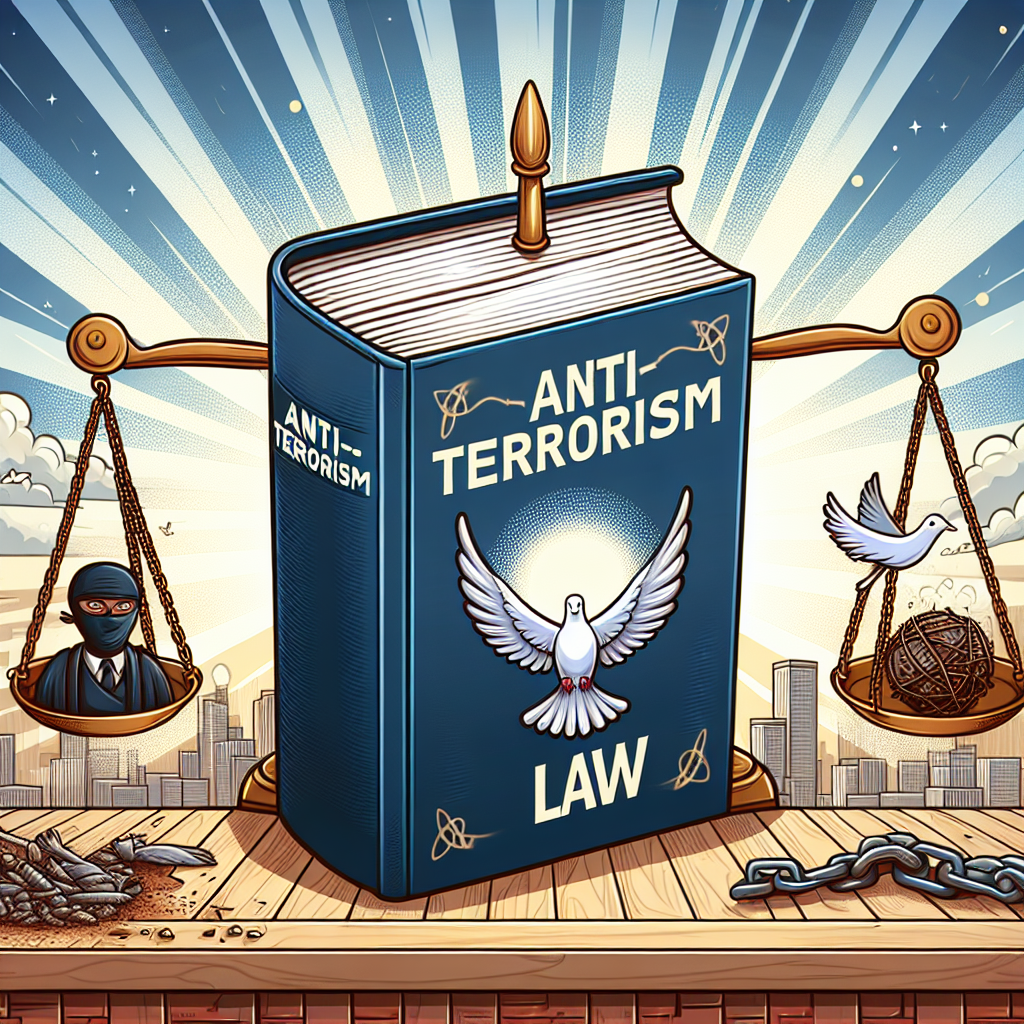
Sri Lanka's plan to replace its decades-old anti-terrorism law has prompted United Nations human rights experts to warn that the proposed legislation still leaves room for serious abuses. The Protection of the State from Terrorism Act (PSTA) could reshape how security cases are handled, but its safeguards remain too weak in several areas. Experts say protecting the public from terrorism must never come at the expense of basic freedoms, fair trials or protection from arbitrary detention.
Sri Lanka plans to repeal the Prevention of Terrorism Act of 1979, associated with torture, enforced disappearances and other violations before, during and after its civil war. Among those harmed during the 26-year conflict and beyond were minorities, human rights defenders, journalists and members of civil society. UN experts welcomed the repeal proposal as a chance to confront abuses that have affected communities for decades.
The experts acknowledged that the latest draft has improved substantially after the government received feedback on an earlier proposal. They warned that provisions covering detention, security powers and criminal offences could still expose people to mistreatment and unfair prosecution. Their recommendations call for judicial scrutiny, clear legal limits and effective accountability when officials violate people's rights.
Detention Powers Must Face Stronger Judicial Oversight
Detention orders must face prompt court review, giving judges the power to test legality, necessity and proportionality and order release. Independent oversight cannot be merely symbolic when someone's liberty depends on a decision made under sweeping security laws. The proposed Independent Review Committee must be genuinely independent, and its decisions on detention appeals must be legally binding.
Detainees must have access to lawyers, legal aid, interpreters, independent medical examinations and contact with their families. The Human Rights Commission of Sri Lanka should be granted prompt visits to check people's treatment and detention conditions. Every transfer between facilities should be recorded and reported to prevent secret detention, enforced disappearances and prisoners being isolated from the outside world.
The experts want the military stripped of arrest, questioning and search powers, citing a record of abuses by armed forces. Measures designed to prevent terrorism offences need tighter limits and judicial oversight, particularly when authorities act before any crime has occurred. Without meaningful scrutiny, broad preventive powers could become tools for arbitrary detention or interference in daily life.
Clearer Terrorism Definitions and Limits on Security Powers
The bill should define terrorism as acts intentionally causing death or serious injury, excluding property damage alone from that definition. Offences linked to speech should require a likelihood of causing terrorist violence rather than punishing expression without that connection. These limits would help protect lawful criticism, journalism and public debate from being treated as national security threats.
The experts called for clearer and higher thresholds before an organisation can be banned under the proposed legislation. Such bans need time limits, as do restriction orders and measures preventing access to specific places. Cumulative limits are needed to stop repeated restrictions becoming indefinite, with courts supervising powers that interfere with people's movements and associations.
Evidence and statements obtained unlawfully, through torture or other ill-treatment, must be excluded from legal proceedings without exception. People accused of offences need stronger safeguards when authorities keep evidence secret on national security grounds. Information revealing journalists' sources, legally privileged exchanges, professional confidences or human rights monitoring activities should remain protected from disclosure.
UN Calls for Accountability and Protection Against Future Abuses
The experts want presidential powers to direct enforcement of the new law restricted to reduce risks of political interference. They warned that the 1979 Prevention of Terrorism Act must not remain in force during a transition after the replacement takes effect. Officials should not receive legal immunity for wrongdoing, which could shield abuses from investigation or punishment.
Victims need effective remedies, including release from unlawful detention and exclusion of evidence obtained through improper methods. Officials responsible for violations must face disciplinary or criminal accountability, backed by stronger oversight and accessible complaints procedures. Compensation, rehabilitation, apologies and guarantees against repeated abuses should be available to people harmed by unlawful state action.
The experts had previously raised concerns about an earlier PSTA draft and urged consultation with civil society and affected communities. They have questioned related reforms covering nongovernmental organisations and organised crime, raising concerns about the broader human rights impact. They offered technical assistance to Sri Lankan authorities, stressing that effective counterterrorism depends on respecting human rights throughout the process.
ALSO READ
-
IPL 2027 Auction: Abhinav Mukund wants MI to rope in Indian wicketkeeper-batter
-
ADB's $300M Water Plan Targets Safer Supplies and Sanitation in Sri Lanka
-
Hardik Pandya misses Mushtaq Ali as injury setback delays return ahead of T20 WC
-
Bhubaneswar to host Asia Rugby U20 Sevens Championship on November 14-15
-
Chris Lynn served one-month suspension for cocaine use, completes rehabilitation programme


 Google News