

China's Battle Against Aggressive Price-Cutting: Strategies to Avert a Deflationary Spiral
China's leaders have vowed to regulate aggressive price-cutting practices by local firms to mitigate persistent deflationary threats. The overcapacity among manufacturers and fierce price wars are influencing consumer behavior, risking a damaging cycle of price reductions. Authorities aim to stabilize the economy by guiding improvements in product quality.
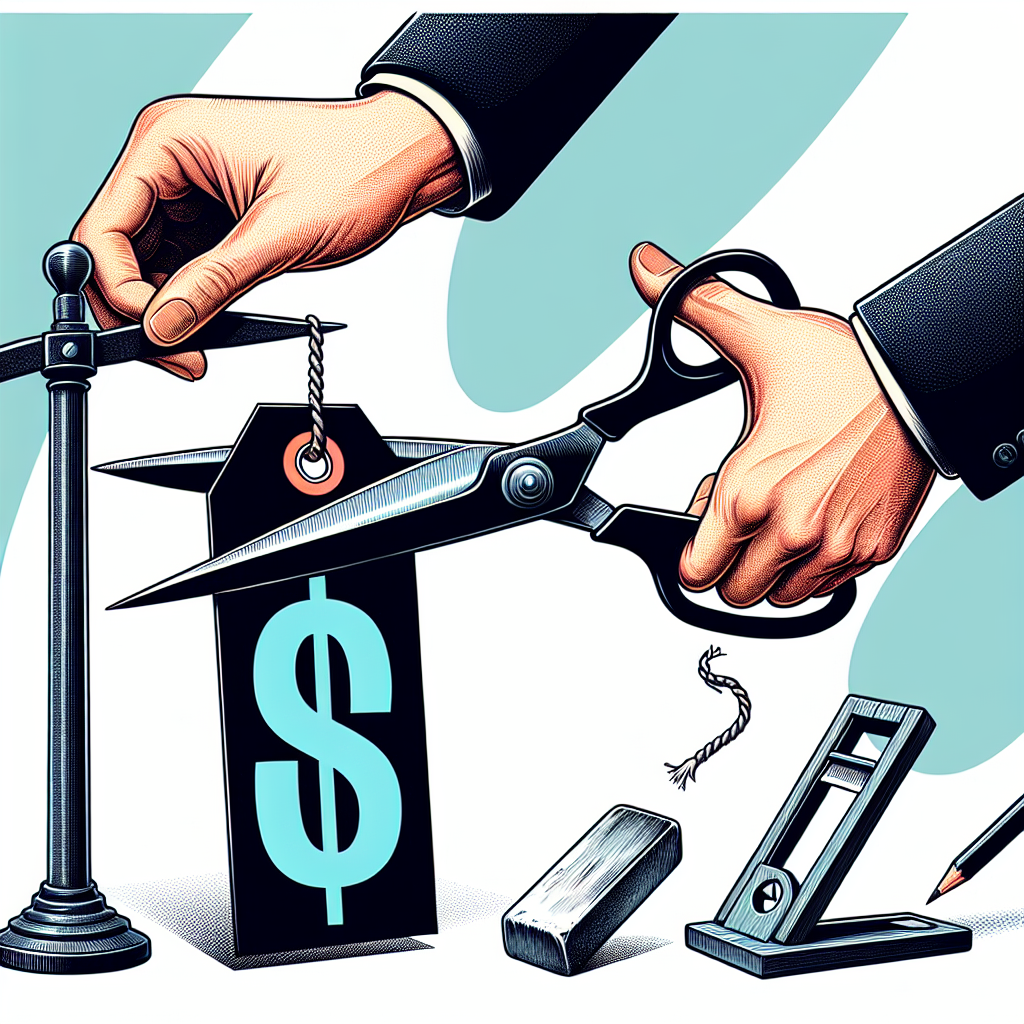
In an effort to combat enduring deflationary pressures, China's top leaders announced on Tuesday a commitment to intensify regulation of aggressive price-cutting by local companies, according to state news agency Xinhua. This move comes as the nation struggles with overcapacity among manufacturers and the resulting price wars, which are beginning to impact consumer behavior.
Analysts fear these price reductions could exacerbate deflationary trends, posing a threat to the stability of China's $19 trillion economy. The Central Financial and Economic Affairs Commission, chaired by President Xi Jinping, emphasized the need for legal measures against disorderly low-price competition, urging businesses to focus on enhancing product quality and phasing out obsolete production capacities.
Recent data indicate manufacturers have been slashing prices to attract buyers amidst weakened domestic demand and trade tensions with the United States. Even with a slight increase in new orders, factory gate prices have stagnated, raising concerns about a persistent deflationary cycle. An editorial in the Communist Party's People's Daily also highlighted the risks of 'rat race-style' competition, calling for an economic shift to prevent harmful consequences from unchecked price-cutting.


 Google News