

(Updated) Parker Solar Probe approaching Sun for its 11th perihelion
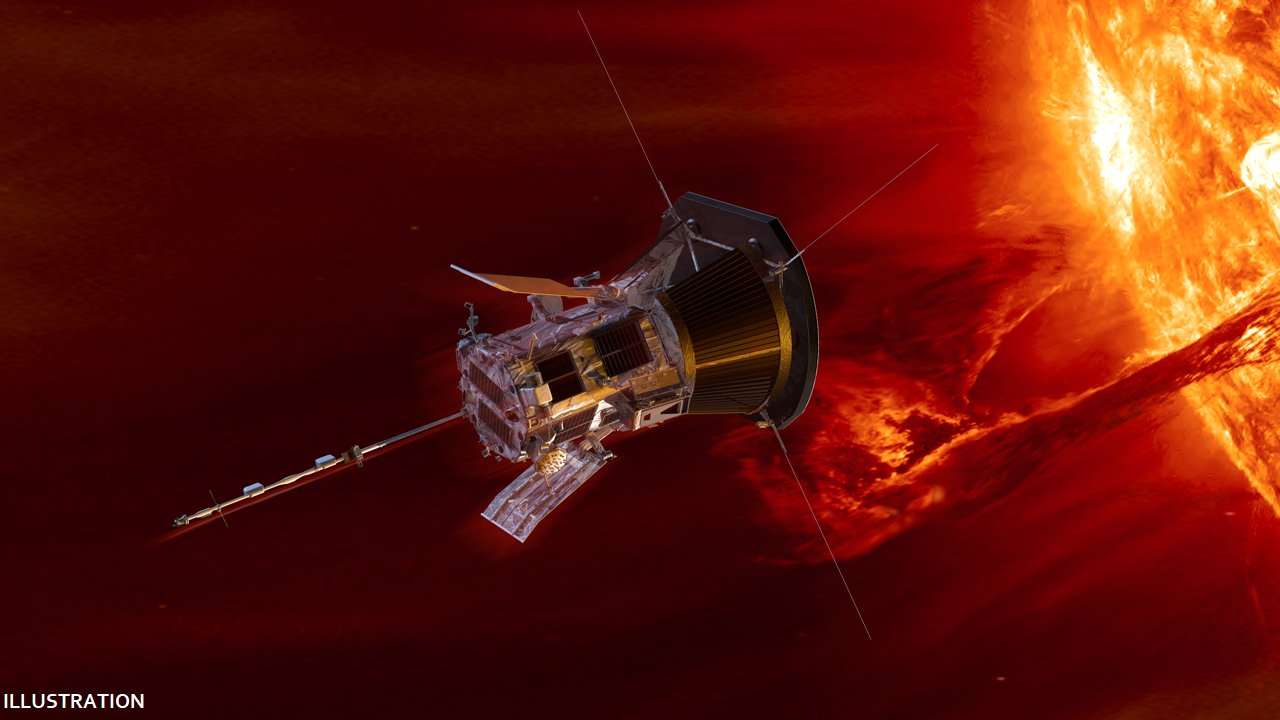
The Parker Solar Probe is approaching the Sun for its 11th perihelion - the point in its orbit closest to the Sun. In a series of tweets, NASA said that the spacecraft will come within 5.3 million miles from the Sun on Friday, February 25, 2022.
>During this close approach, Parker passes the Sun's Earth-facing side.
During this close approach, Parker Solar Probe passes the Sun's Earth-facing side. There are opportunities for Earth-bound missions and other spacecraft to give us multiple viewpoints of solar events.Follow along this week as we watch Parker approach the Sun!#ParkerPerihelion pic.twitter.com/rKTlyvJGHS
— NASA Sun & Space (@NASASun) February 21, 2022
The Parker Solar Mission is the first-ever mission to touch and unlock the mysteries of the Sun's atmosphere. Launched on August 12, 2018, Parker will provide new data on solar activity and make critical contributions to the scientific community's ability to forecast major space-weather events that impact life on Earth.
Parker will perform seven Venus flybys over nearly seven years to more precisely set its trajectory toward the Sun. The spacecraft's seventh and final flyby will happen in November 2024.
At its closest approach, the Parker Solar Probe will be hurtling around the Sun at approximately 430,000 miles per hour - that's fast enough to get from Philadelphia to Washington, D.C., in one second.
Update
The Parker Solar Probe has completed its 11th close approach to the Sun, coming within 5.3 million miles from the Sun, NASA said on Friday. At this distance, the spacecraft experienced temperatures exceeding 1400°F.
The close approach, also known as perihelion, occurred at 10:36am ET with the spacecraft moving over 360,000 miles per hour matching the previous record as the fastest and closest object to the Sun. You can follow Parker's progress here: https://t.co/Rz1hO6GIfi#ParkerPerihelion pic.twitter.com/6dQcpR4F88
— NASA Sun & Space (@NASASun) February 25, 2022


 Google News