



The High Cost of Breathing Clean Air: Who's Left Behind?
Clean air is a luxury that many take for granted, but for some, it's a costly privilege. In this blog, we'll delve into the hidden inequalities of air quality and explore the socioeconomic factors that leave some individuals struggling to breathe clean air. From the impact on health to the disproportionate burden on vulnerable communities, we'll shed light on why access to clean air should be a universal right, not a costly luxury.
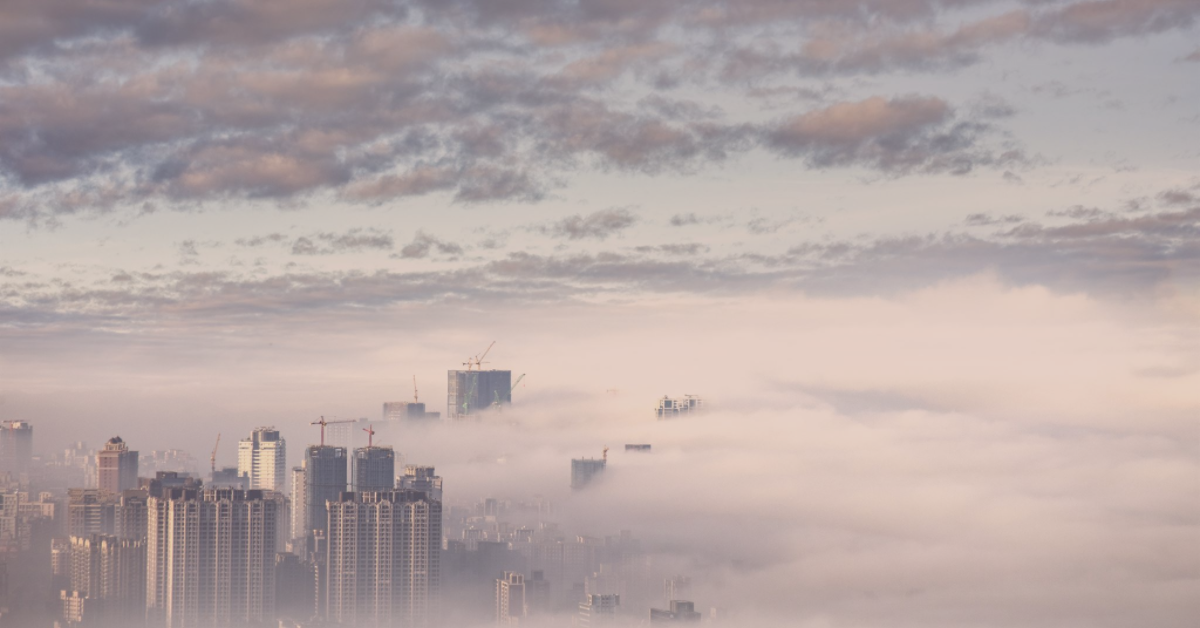
Clean air is a basic necessity for all living beings, yet for many, it remains an unattainable luxury. Breathing should be a fundamental right, not something dependent on your financial status or where you live. In this blog, we will explore the high cost of breathing clean air and identify who's left behind in this critical environmental issue.
The Clean Air Divide
Clean air isn't evenly distributed, and the inequality in air quality is a global issue. While some communities enjoy pristine air, others are burdened with pollution that affects not only their health but also their quality of life. The factors contributing to this divide are complex and intertwined with socioeconomic disparities.
Socioeconomic Factors at Play
One of the key factors that determine who has access to clean air is socioeconomic status. The cost of living in areas with cleaner air is often higher, making it less accessible to those with limited financial resources. Low-income individuals and families are disproportionately affected by poor air quality, as they may be forced to reside in areas with higher pollution levels due to financial constraints.
Environmental Inequality
Environmental inequality, also known as environmental injustice, is a harsh reality. This concept describes the unequal distribution of environmental hazards, with marginalized communities suffering the most significant burden. These communities often lack the political and economic power to resist or mitigate pollution. Industrial facilities, waste disposal sites, and transportation hubs are frequently located near low-income neighborhoods, leading to increased pollution exposure.
Health Impacts
The health consequences of breathing polluted air are profound. Air pollution is linked to a wide range of health issues, including respiratory problems, heart disease, and even premature death. Vulnerable groups, such as children, the elderly, and individuals with pre-existing health conditions, are at an even greater risk. Unfortunately, these are often the very same groups that find it most challenging to access clean air.
Respiratory Issues
Individuals in polluted areas are more likely to develop respiratory conditions, such as asthma and bronchitis. Children growing up in such environments are particularly susceptible to these health problems, which can have lifelong impacts on their well-being.
Cardiovascular Problems
Air pollution is also a major contributor to heart disease. The fine particles and toxic chemicals in polluted air can lead to the development of cardiovascular issues, which can be life-threatening.
Premature Death
Studies have shown that long-term exposure to air pollution can result in premature death. This means that, for some, the high cost of breathing clean air is not measured in dollars but in years of life lost.
Vulnerable Communities
It's not just individuals who face the high cost of clean air; entire communities are affected. Minority communities, especially, bear a disproportionate burden of air pollution. They often find themselves living in areas with high pollution levels, and they face barriers to relocating to cleaner environments.
Seeking Environmental Justice
The concept of environmental justice calls for the fair and equitable distribution of environmental benefits and burdens, regardless of race, income, or social status. Achieving environmental justice in the context of clean air means taking steps to address the disparities in air quality and ensuring that everyone, regardless of their background, can breathe clean air without incurring excessive costs.
Policy Initiatives
Several policy initiatives aim to address environmental injustice and promote clean air access for all. These policies include:
Emission Reduction Programs
Efforts to reduce emissions from industrial sources and vehicles can help improve air quality in pollution-prone areas.
Air Quality Standards
Stricter air quality standards and regulations can lead to cleaner air for everyone.
Community Advocacy
Local communities often play a crucial role in advocating for cleaner air and pushing for policies that protect their health and well-being.
Grassroots Movements
Grassroots movements and organizations have emerged to fight for environmental justice. They work to raise awareness, mobilize communities, and press for policy changes that will help bridge the clean air gap.
Collective Responsibility
Ensuring clean air access for all is a collective responsibility. Individuals, communities, governments, and industries must work together to reduce pollution, provide resources for affected communities, and promote a fair distribution of clean air resources.
Conclusion
Clean air should be a fundamental right, not a luxury that many can't afford. The high cost of breathing clean air is not only a financial burden but also a public health crisis, particularly for vulnerable communities. Achieving environmental justice is a vital step toward ensuring that no one is left behind when it comes to clean air access. It's time to take action, advocate for change, and work together to make clean air a reality for everyone, regardless of their socioeconomic status or where they live. The cost of breathing clean air should never be measured in dollars but in the quality of life it provides to all individuals and communities.


 Google News