

Global Conference Highlights Key Role of Talent Development and International Cooperation for Nuclear Industry’s Future
The conference, held from 1-5 July at the IAEA’s Vienna headquarters, attracted more than 760 registrants from 108 countries and 9 invited organizations.
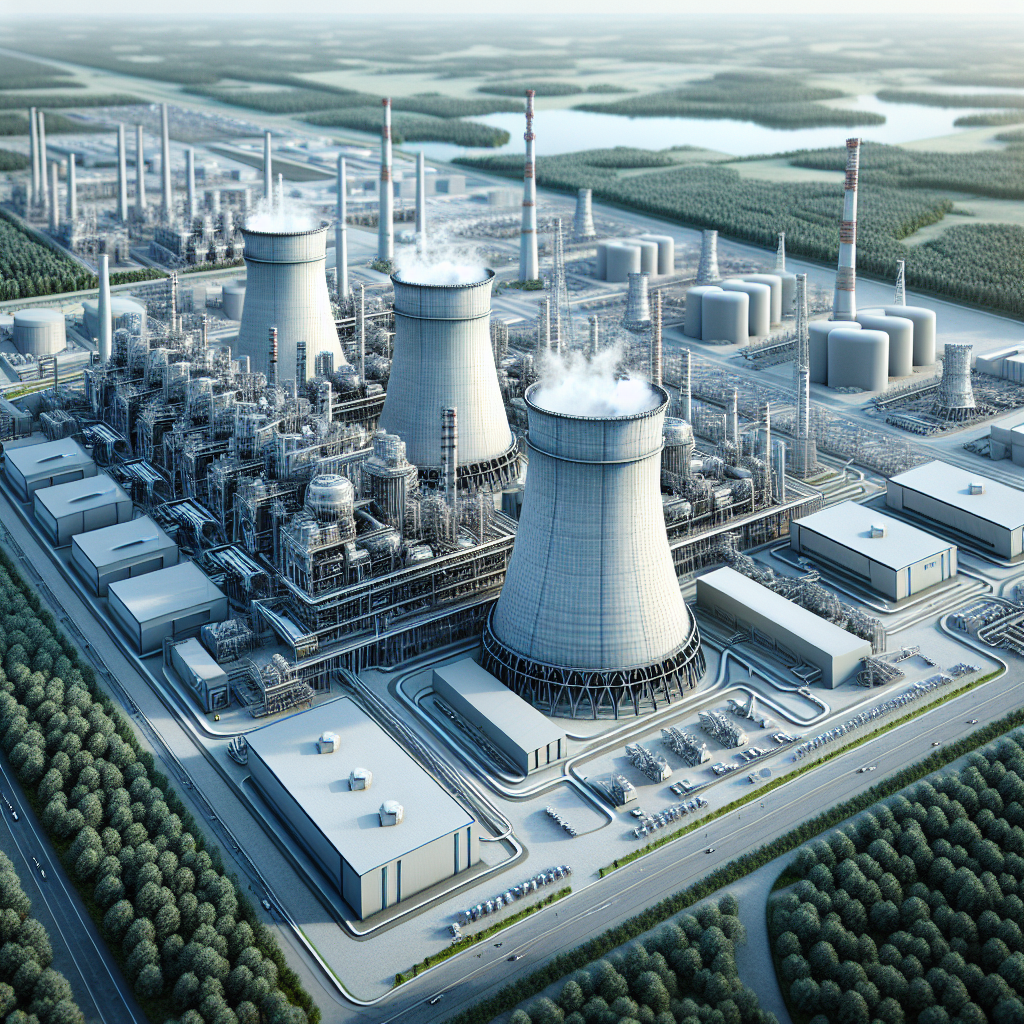
Proactive talent development and robust international cooperation are essential for the long-term success of the nuclear industry, participants emphasized at the International Conference on Nuclear Knowledge Management and Human Resources Development, held earlier this month in Vienna.
Nuclear power, a clean energy source, holds potential for decarbonizing energy, transportation, and industrial sectors. During the historic first Global Stocktake under the Paris Agreement, approved at COP28 in Dubai, the 198 signatory countries to the UN Framework Convention on Climate Change called for accelerating the deployment of low-emission energy technologies, including nuclear power, for rapid decarbonization, especially in hard-to-abate sectors like industry.
The International Atomic Energy Agency (IAEA) projects nuclear capacity could more than double by 2050. The Agency also anticipates that more than 4 million professionals will be supporting the nuclear power industry by that year. However, with about one-third of the current workforce expected to retire by 2033, over one million new workers will be needed to replace retirees and support additional nuclear capacity. Effective knowledge management and human resource development practices are crucial for ensuring the industry's viability.
"The nuclear industry is evolving, and the demand for well-trained, highly competent employees is growing," said Mikhail Chudakov, Deputy Director General and Head of the IAEA Department of Nuclear Energy. "It's critical that we identify and develop talented individuals so that they become valued assets to their teams for years to come. We must also pursue development approaches that emphasize diversity and inclusion, as innovation thrives when more people are given opportunities." Chudakov highlighted the importance of developing and implementing knowledge management, transfer, and retention practices to maximize industry sustainability.
The conference, held from 1-5 July at the IAEA's Vienna headquarters, attracted more than 760 registrants from 108 countries and 9 invited organizations. The event featured panel sessions and side events on leadership development, technology innovation, stakeholder engagement, and strategies for human resource development. The conference also showcased the winning entries from the proSTEM Challenge, a competition for students and young professionals aimed at attracting and developing the next generation of workforce in STEM-related specialties.
"We must leverage our technological advancements, align with the values of the younger generation, engage students early, offer competitive compensation, and provide dynamic career opportunities," said Elsie Pule, HR Executive for South Africa's Eskom Holdings Soc Ltd and conference president. "By doing so, we will secure the talent necessary to drive our industry forward and contribute to a sustainable future."
Pedro Dieguez Porras, head of the IAEA's Nuclear Knowledge Management Section and co-scientific secretary of the conference, emphasized the Agency's support for member states at every stage of their capacity-building efforts through a comprehensive yearly programme of services and missions.
Initiatives include the Nuclear Knowledge Management (NKM) school, which provides specialized education and training on implementing nuclear knowledge management programmes in nuclear science and technology organizations. As of February 2024, 1,139 professionals have been trained through IAEA NKM schools. Additionally, the Nuclear Energy Management (NEM) school aims to develop leaders in the nuclear energy field, and the International Nuclear Management Academy supports universities in establishing master's degree programmes in various areas of nuclear technology management.
Increasing the number of women in the nuclear field is a major priority. The Maria Sklodowska-Curie Fellowship Programme, launched in 2020, provides scholarships for young women pursuing master's degrees in the nuclear sector. As of July 2024, the programme has supported 560 women from 121 countries. The Lise Meitner Programme, started in 2022, offers early- and mid-career women opportunities to advance their skills through visiting professional programmes.
Key takeaways from the conference included the importance of building strong partnerships among global organizations and engaging students early, considering the competition from other industries. Effective knowledge management and continuous education are vital for preserving critical information, expertise, and best practices, ensuring operational safety and efficiency, and fostering innovation within the industry.
"Effective knowledge management ensures that critical information, expertise, and best practices are preserved and transferred across generations, preventing knowledge loss and enhancing operational safety and efficiency," said Kim Pringle, Director of Human Capacity Building at Saudi Arabia's King Abdullah City for Atomic and Renewable Energy and co-vice president of the conference. "Together, they ensure the industry remains resilient, safe, and capable of meeting future energy demands, and this conference facilitated a collaborative and engaging environment to achieve this goal."


 Google News