

Japan Strengthens Nuclear Safety Oversight Since Fukushima, IAEA Review Finds
The findings come as Japan continues the gradual restart of nuclear reactors shut down following the March 2011 disaster, with regulators implementing stricter safety requirements and more transparent oversight.
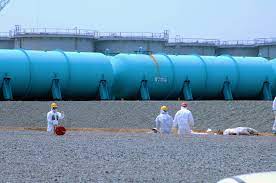
Japan has further strengthened its supervision of nuclear and radiation safety in recent years under the leadership of an independent national regulator established after the Fukushima Daiichi accident 15 years ago, an International Atomic Energy Agency (IAEA) team of experts said today.
The findings come as Japan continues the gradual restart of nuclear reactors shut down following the March 2011 disaster, with regulators implementing stricter safety requirements and more transparent oversight.
Independent Regulator Shows Strong Leadership and Transparency
The assessment was delivered at the conclusion of an Integrated Regulatory Review Service (IRRS) mission, conducted at the request of the Japanese Government and hosted by the Nuclear Regulation Authority (NRA).
The two-week mission was completed on 6 February.
"Since the last mission, Japan has further strengthened its regulatory framework," said IRRS team leader Petteri Tiippana, Director General of Finland's Radiation and Nuclear Safety Authority (STUK).
"We observed a highly independent regulator with clear leadership and a strong focus on safety… underpinned by transparent decision-making."
NRA Established After Fukushima
Japan's NRA was created in 2012 as part of the country's post-Fukushima reforms. It now employs 1,080 staff and operates through 22 regional offices.
The latest IRRS mission follows:
-
An initial review in 2016
-
A follow-up mission in 2020
Nuclear Restart Continues Under New Safety Rules
Before Fukushima, Japan's 54 nuclear reactors generated about 30% of the country's electricity. All were shut down after the accident.
To date, 14 reactors have resumed operations after meeting new regulatory safety standards.
Japan also operates nuclear fuel cycle facilities, research reactors, and widespread radiological applications across industry and health care.
International Experts Review Broad Regulatory Areas
The IRRS team included 18 senior regulatory experts from 17 IAEA Member States, supported by five IAEA staff.
They reviewed all regulatory areas except medical exposure, including:
-
Emergency preparedness and response
-
Nuclear power plant regulation
-
Research reactors
-
Fuel cycle facilities
-
Radiation sources
-
Radioactive waste management
-
Decommissioning
-
Transport of radioactive materials
-
Occupational and public exposure controls
-
Interfaces with nuclear security
The mission included site observations at a nuclear power plant, research reactor, fuel cycle facility, radiation sources installations, and a decommissioning facility.
Good Practices Highlighted
The team praised several areas of strong performance, including:
-
Joint review meetings with nuclear operators on emergency response exercises, described as a model of good practice globally
-
New regulatory requirements addressing ageing and long-term management of facilities
-
Development of a national strategic plan to ensure long-term availability of qualified nuclear personnel
Recommendations for Further Improvement
While welcoming Japan's progress, the experts issued recommendations to further enhance regulatory performance, including:
-
Applying a graded (proportionate) approach more consistently across all regulatory functions, particularly licensing
-
Developing a multi-year human resources strategy to maintain specialised expertise
-
Supporting greater staff mobility and recruitment flexibility
-
Strengthening documentation and implementation of the NRA's management system
Tiippana said the biggest gains would come from "more proportionate and predictable oversight, long-lasting specialist expertise, and pairing Japan's exemplary openness with formats that enable frank, in-depth technical dialogue."
Commitment to Continuous Safety Improvement
IAEA Deputy Director General Karine Herviou praised Japan's commitment to nuclear safety through its decision to host the mission.
"The NRA has come a long way since it was founded just 14 years ago, firmly establishing itself as a robustly independent regulator," she said.
"Improving nuclear safety is a never-ending task."
NRA Chairperson Shinsuke Yamanaka said the review was invaluable and Japan would promptly apply the recommendations.
Report to Be Published
The final IRRS mission report will be delivered to the Government of Japan in about three months, and Japan plans to make it public.
Role of IAEA Safety Standards
The IRRS process is based on IAEA safety standards, which serve as an international benchmark for protecting people and the environment from the harmful effects of ionizing radiation.


 Google News