

Explosive Discoveries and Daring Journeys: A New Frontier in Space Exploration
Scientists find evidence of theorized ultra-powerful supernovas, some leaving no remnants. Chinese fossils unveil a primordial burst of evolution, showing animal life diversified earlier than thought. Amidst a US-China lunar race, NASA's Artemis II mission sends astronauts on a record-breaking path to the moon, showcasing evolving space capabilities.
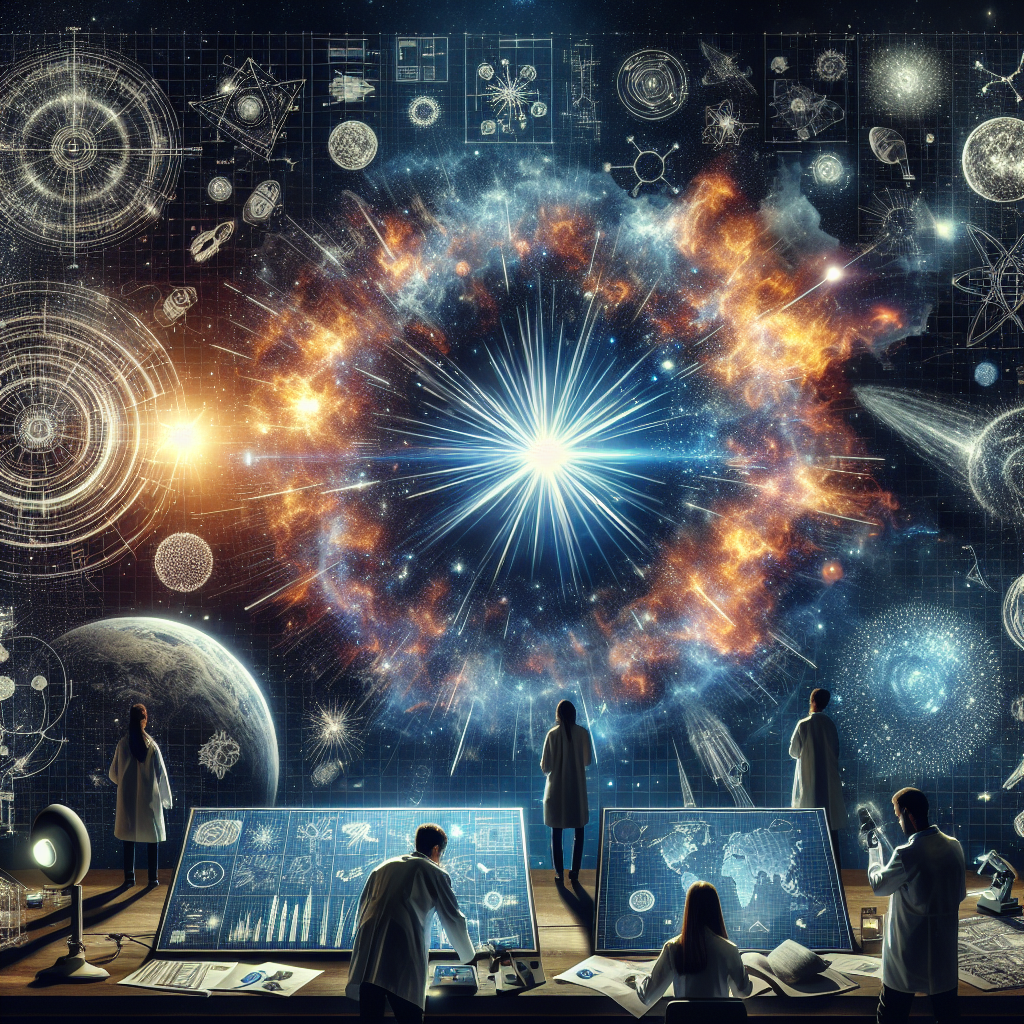
Scientists have unearthed evidence supporting the theory of ultra-powerful supernovas. For decades, these galactic explosions remained speculative, but new research involving black holes and gravitational waves has bolstered the concept, suggesting some powerful supernovas might leave no remnants like neutron stars or black holes.
Simultaneously, fossils in China are rewriting the narrative of early animal evolution. Dating back to the Ediacaran Period, around 546 to 539 million years ago, these fossils reveal a vibrant diversification of life forms on Earth, indicating complex life emerged much earlier than previously thought.
In the space sector, the competitive race between the US and China heats up. NASA's Artemis II mission has launched four astronauts towards the moon, marking the longest human space journey yet. China's ambitious plans to send astronauts to the moon by 2030 further intensify this 21st-century space race.


 Google News