

Galactic Explosions and Lunar Expeditions: A New Era in Space Science
Recent studies provide new evidence of theorized ultra-powerful supernovas that leave nothing behind. In other news, the Artemis II mission sets astronauts on a record-breaking journey to the moon, following a crucial course adjustment. These developments mark significant milestones in the field of space exploration.
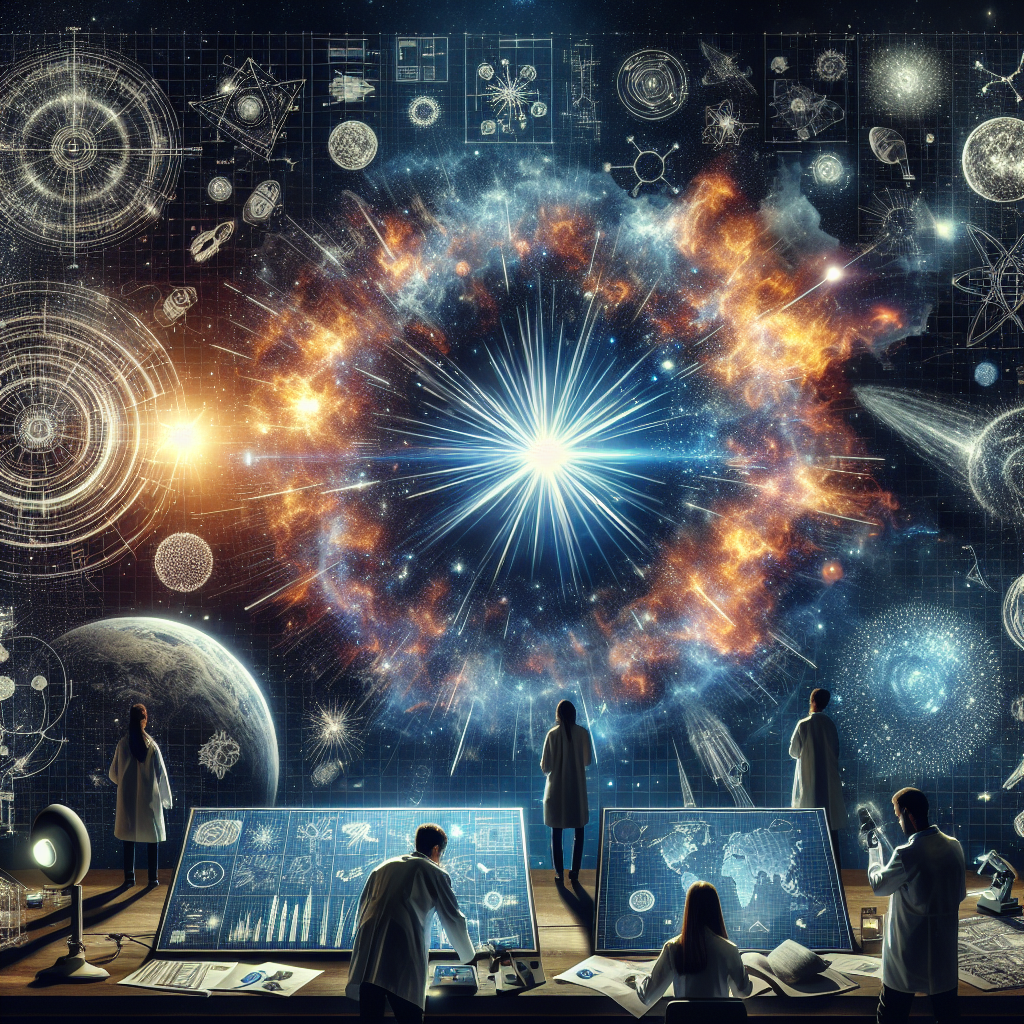
In a groundbreaking revelation, scientists have uncovered evidence, albeit indirect, for the existence of ultra-powerful supernovas—stellar explosions so intense that they leave no remnants behind. Long theorized since the 1960s, this discovery involves research into black holes and gravitational waves, potentially redefining our understanding of cosmic phenomena.
Meanwhile, deep in the realm of space exploration, NASA's Artemis II mission has propelled human space travel to new heights. On Thursday, the Orion capsule, carrying four astronauts, successfully executed a pivotal thruster firing that will navigate the crew beyond Earth's orbit, setting them on a historic path to the moon.
This maneuver positions the team to enter the moon's gravitational sphere by Sunday morning, poised to surpass the distance record once held by Apollo 13 in 1970. These developments in both astronomical research and manned lunar missions underscore an exhilarating era in our pursuit of space knowledge.


 Google News