

AI tool improves nutrition literacy in young adults
The Healthy Choice platform offers users a realistic, scenario-based learning experience in which they act as health professionals advising virtual clients on appropriate food and beverage choices. Each scenario is tailored to specific user profiles, such as athletes preparing for competitions or students seeking healthy energy drinks. The platform leverages situated learning theory by immersing users in authentic decision-making contexts, while incorporating deliberate practice theory through tasks of escalating complexity.
 COE-EDP
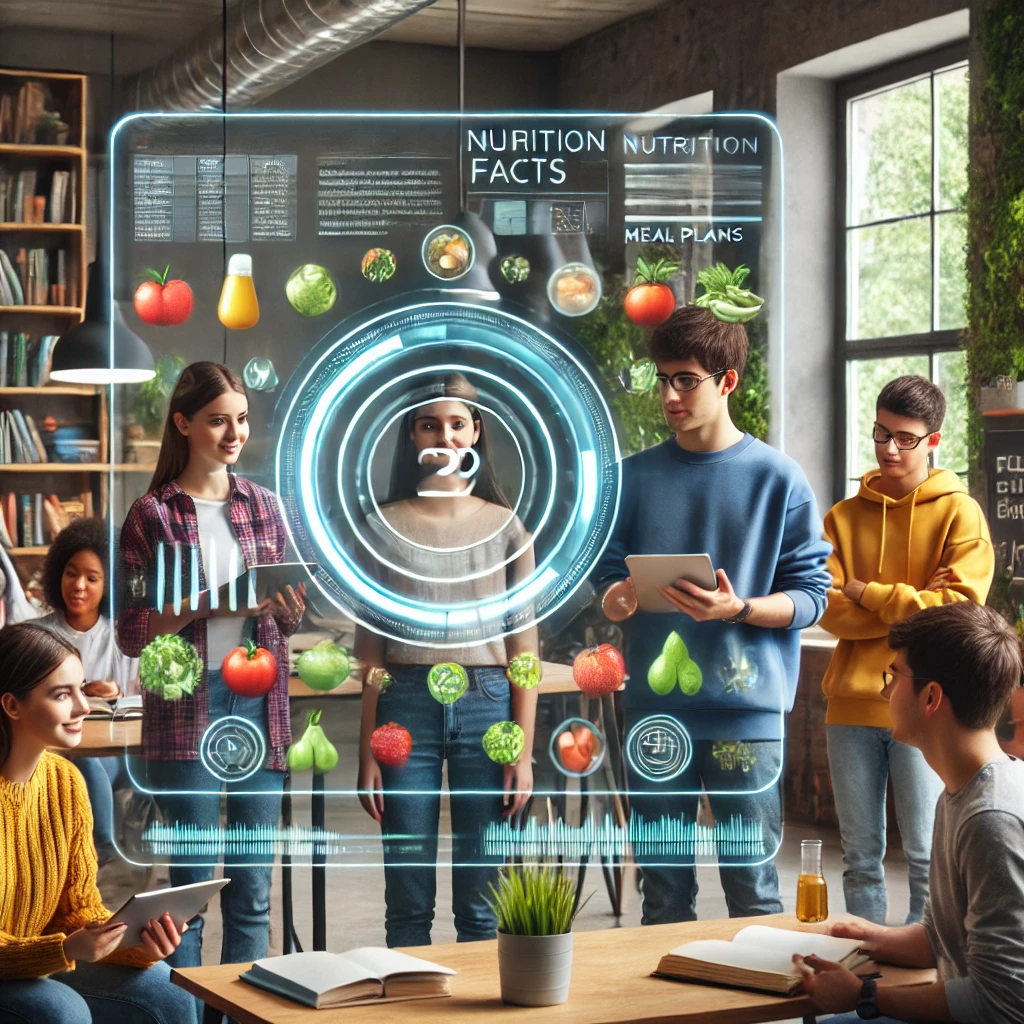
Nearly half of American adults struggle with poor dietary choices, contributing to rising rates of chronic diseases and highlighting the urgent need for innovative and scalable nutrition education solutions. Against this backdrop, a novel artificial intelligence-integrated learning platform has emerged as a promising tool for improving nutrition literacy and decision-making among university students, according to new research published as a preprint on arXiv.
The study "Healthy Choice: A Theory-driven and AI-enhanced Simulation Platform for Cultivating Nutrition Literacy" offers new insights into the intersection of immersive learning, digital health education, and artificial intelligence support.
The Healthy Choice platform proposes a digitally enhanced approach grounded in established educational theories and artificial intelligence. The study aimed to test whether this simulation environment could meaningfully support learners in understanding nutrition concepts and applying that knowledge to real-world decisions.
How does the platform work to improve nutrition literacy?
The Healthy Choice platform offers users a realistic, scenario-based learning experience in which they act as health professionals advising virtual clients on appropriate food and beverage choices. Each scenario is tailored to specific user profiles, such as athletes preparing for competitions or students seeking healthy energy drinks. The platform leverages situated learning theory by immersing users in authentic decision-making contexts, while incorporating deliberate practice theory through tasks of escalating complexity.
The experience is designed to reflect real-world challenges of interpreting nutritional labels, comparing ingredients, and making informed selections. Learners interact with a database of actual food and beverage products, analyze relevant nutritional information, and apply scenario-specific criteria to make recommendations. These exercises not only reinforce nutrition knowledge but also promote skill-building in critical thinking, evidence evaluation, and strategic decision-making.
A notable innovation in the platform is its integration of artificial intelligence via the ChatGPT API. The AI assistant provides real-time, personalized guidance and clarification for learners encountering complex nutritional data or unfamiliar terminology. This capability serves as a scaffold for cognitive support, offering just-in-time information to fill knowledge gaps and enhance understanding.
In addition to informational support, the system is designed around the framework of self-regulated learning. It encourages users to set goals, track key information, and reflect on their decisions. Learners can highlight and store essential data for comparison, ultimately composing a final recommendation with a structured justification. This three-phase cycle, goal setting, information processing, and reflection, mirrors the processes that underlie effective health decision-making.
How effective was the platform among students?
To evaluate the Healthy Choice platform, the researchers conducted a mixed-methods study involving 114 university students from diverse academic disciplines. The participants completed two learning scenarios using the simulation in a controlled lab setting and then provided feedback through quantitative surveys and open-ended responses.
Quantitative results showed high satisfaction with both the platform's effectiveness and ease of use. On a scale of 1 to 10, the average usefulness rating was 8.19, with over 73 percent of participants assigning a score of 8 or higher. For ease of use, the platform scored an even higher average of 8.50, with over three-quarters of users reporting minimal difficulty navigating the interface.
Thematic analysis of qualitative feedback from 98 respondents revealed four major strengths of the system. First, students appreciated the interactive learning experience, which allowed them to apply knowledge rather than passively receive information. The platform's immersive, problem-solving structure made nutrition education feel more practical and relevant.
Second, the authenticity of the scenarios resonated with users. Many participants found the content directly applicable to their own dietary habits, reinforcing the real-world value of nutrition literacy. Third, the AI assistant received praise for offering timely support, eliminating the need for external searches, and helping students understand food labels and nutritional terms with confidence.
Lastly, students highlighted the comparison tools as critical features that simplified decision-making. By enabling side-by-side evaluations of nutritional content and ingredient claims, the platform allowed users to analyze options more systematically and make more informed choices. This directly addressed a common barrier in nutrition literacy: the difficulty of product comparison in complex retail environments.
Despite the platform's positive reception, a recurring challenge noted by several participants was the limited interface flexibility. Users expressed a desire for a more streamlined way to view collected information across different sections without excessive tab-switching. Addressing this usability concern could further strengthen the platform's impact in future iterations.
What are the implications for health education and policy?
The findings underscore the potential of combining immersive learning environments with AI-enhanced tools to transform nutrition education. By moving beyond traditional passive instruction methods, Healthy Choice introduces a model that actively engages learners in meaningful decision-making processes and cultivates transferable skills.
The integration of self-regulated learning theory into the platform's design enables students to take ownership of their learning journey, fostering metacognitive awareness and long-term retention. The platform equips users not just with nutritional knowledge, but also with strategies for applying that knowledge in everyday settings - a vital step in translating education into behavior change.
From an instructional standpoint, the modular nature of the platform makes it adaptable to various educational settings and populations. Health educators and instructional designers can customize scenarios to align with specific demographic needs or health priorities, including targeted interventions for vulnerable groups. This scalability positions the platform as a viable component of university curricula, public health campaigns, and digital literacy programs.
In policy terms, the positive response from users suggests that there is significant appetite for more engaging and skill-based approaches to health education. The inclusion of AI-supported, scenario-based learning tools in public health strategies could enhance the effectiveness of population-level initiatives aimed at improving nutrition literacy. Moreover, the study points to a need for greater institutional investment in developing and implementing such platforms at scale.
While the study sample was limited to a single institution and did not measure long-term knowledge gains, the results provide a strong foundation for future research. Larger, more diverse samples and longitudinal studies could assess the durability of learning outcomes and behavioral changes over time. Further development of the AI component could also refine its support mechanisms and responsiveness to varied learner needs.
- FIRST PUBLISHED IN:
- Devdiscourse


 Google News